JAC Class 9 English Solutions Moments Chapter 1 The Lost Child

Jharkhand Board JAC Class 9 English Solutions Moments Chapter 1 The Lost Child Textbook Exercise Questions and Answers.

JAC Board Class 9 English Solutions Moments Chapter 1 The Lost Child

JAC Class 9 English The Lost Child Textbook Questions and Answers

Think About It

Question 1.
What are the things the child sees on his way to the fair ? Why does he lag behind ?
बच्चा मेले में जाते हुए रास्ते में कौन-कौन सी वस्तुएँ देखता है ? वह पीछे क्यों छूट जाता है ?
Answer:
The child sees toys in the shops, a flowering mustard field, a group of dragon-flies, a bumble bee, a butterfly, insects, worms, young flowers, a dove and a banyan tree, etc. He lags behind because –

  • First of all he is fascinated by the toys in the shops.
  • He tries to catch dragon-flies in the mustard field.
  • He is attracted by the insects and worms.

बच्चा मेले में जाते समय दुकानों में रखे खिलौने, पुष्पित सरसों के खेत, ड्रैगन मक्खियों का एक झुण्ड, काला भँवरा मधुमक्खी, तितली, कीड़े-मकोड़े, नये फूल, फाख्ता तथा एक बरगद का पेड़ देखता है। वह पीछे छूट जाता है क्योंकि-

  • सर्वप्रथम वह दुकानों में रखे खिलौनों से सम्मोहित हो जाता है।
  • वह ड्रैगन-मक्खियों को पकड़ने का प्रयास करता है ।
  • वह कीड़े-मकोड़ों की ओर आकर्षित हो जाता है ।

JAC Class 9 English Solutions Moments Chapter 1 The Lost Child

Question 2.
In the fair he wants many things. What are they? Why does he move on without waiting for an answer?
मेले में वह बहुत-सी वस्तुएँ लेना चाहता है । वे कौन-सी वस्तुएँ हैं ? वह उत्तर की प्रतीक्षा किये बिना आगे क्यों बढ़ जाता है ?
Answer:
In the beginning, the child asks his parents to have a toy but his father’s refusal diaappoints him. Still he insists to have burfi, a garland of gulmohur and colourful balloons. He wants to watch the snake dance and to ride on the roundabout too. He moves on without waiting for his parents’ answer because he knows that they will not buy anything for him.

शुरुआत में बच्चा अपने माता-पिता से एक खिलौना दिलवाने के लिए कहता है लेकिन उसके पिता की इन्कार उसे हतोत्साहित करता है। फिर भी वह बर्फी, गुलमोहर के फूलों की एक माला और रंग बिरंगे गुब्बारे लेने के लिए कहता है । वह साँप का नाच देखना चाहता है इसके अलावा वह झूले पर भी झूलना चाहता है । वह अपने माता-पिता के उत्तर की प्रतीक्षा किये बिना आगे बढ़ जाता है क्योंकि वह जानता है कि वे उसे कोई भी वस्तु नहीं दिलवाएँगे।

Question 3.
When does he realise that he has lost his way? How have his anxiety and insecurity been described?
उसे कब अनुभव होता है कि वह अपना रास्ता भटक गया है ? उसकी चिन्ता और असुरक्षा की भावना का किस प्रकार वर्णन किया गया है ?
Answer:
The child in the fair wants to go on the roundabout. He gathers courage and requests his parents to allow him to ride on it. But he gets no reply. At this he turns behind at once but doen not see them there. He looks for them in all the directions but finds them nowhere. Now he feels that he has lost his way. His anxiety and insecurity have been described by some of his activities such as-weeping, sobbing and crying ‘Mother, Father.’ His untied turban, muddy clothes and constant running to and fro also describe his anxiety and insecurity.

बच्चा, मेले में झूले पर चढ़ना चाहता है । वह अपने माता-पिता से आग्रह करता है कि वे उसे झूले पर चढ़ने की अनुमति दें । परन्तु उसे कोई उत्तर नहीं मिलता । इस पर वह तुरन्त पीछे मुड़ता है किन्तु अपने माता-पिता को वहाँ नहीं देखता । तब वह आगे-पीछे, उधर – इधर चारों ओर देखता है परन्तु वे उसे कहीं दिखाई नहीं पड़ते । अब उसे अनुभव होता है कि वह अपना रास्ता भटक गया है ।उसकी चिन्ता व असुरक्षा की भावना का वर्णन उसकी कुछ गतिविधियों जैसे रोने, सिसकने तथा ‘माँ, पिताजी’ को बार-बार पुकारने द्वारा किया गया है । उसकी पगड़ी का खुलना, धूल-धूसरित वस्त्र व निरन्तर इधर-उधर दौड़ना भी उसकी चिन्ता व असुरक्षा को वर्णित करता है ।

JAC Class 9 English Solutions Moments Chapter 1 The Lost Child

Question 4.
Why does the lost child lose interest in the things that he had wanted earlier?
बिछुड़े हुए बच्चे की उन सब चीजों में रुचि क्यों समाप्त हो जाती है जिन्हें वह पहले लेना चाहता था ?
Answer:
The lost child feels very anxious and insecure when he is unable to find his parents. In the absence of his parents, nothing seems attractive to him. Finding his parents is his only concern at this time. He is anxious for them and feels insecure. He feels that nothing is more dear to him than his parents. So he loses interest in all the things that he wanted earlier.

जब माता-पिता नहीं मिलते तो बिछुड़ा हुआ बच्चा बहुत स्वयं को चिन्तित व असुरक्षित अनुभव करता है । माता-पिता की अनुपस्थिति में उसे कुछ भी अच्छा नहीं लगता । इस समय वह केवल अपने माता-पिता को ढूँढ़ने के विषय में सोचता है । वह उनके बारे में चिंतित है और खुद को असुरक्षित महसूस करता है। उसे अनुभव होता है कि उसे अपने माता-पिता से अधिक प्रिय और कुछ भी नहीं है । इसलिए उन सभी चीजों में उसकी रुचि समाप्त हो जाती है जिन्हें वह पहले चाहता था ।

Question 5.
What do you think happens in the end ? Does the child find his parents ?
आपके विचार से अन्त में क्या होता है ? क्या बच्चे को उसके माता-पिता मिल जाते हैं ?
Answer:
According to the story a kind-hearted man takes up the boy. He saves him from being trampled in the crowd. As far as I think, this man helps and holding the child in his arms succeeds in finding his parents and hands him over to them,

एक पाठ के अनुसार बच्चे को एक दयालु व्यक्ति अपनी गोद में उठा लेता है वह उसे भीड़ में कुचलने से बचाता है । जहाँ तक मेरा विचार है, यह व्यक्ति बच्चे को उसके माता-पिता को खोजने तथा उनसे मिलाने में सहायता करता है और अन्त में सफल होता है ।

Talk About It

How to ensure not to get lost
Answer:
It is very common for children to be lost in fairs and festivals and at other public places. The parents should be careful about it. They should always hold their hands while visiting a crowded place. Small children should be tagged with their names and addresses on their shirts. The children should also be taught to learn their parents’ name, address as well phone numbers. In every incident of losing their child, the parents should contact the police immediately. An announcement should also be made on loudspeakers.

JAC Class 9 English Solutions Moments Chapter 1 The Lost Child

बिछुड़ने से बचने को कैसे सुनिश्चित करें ?
मेलों, त्योहारों व सार्वजनिक स्थलों पर बच्चों का बिछुड़ना आम बात है। माता-पिता को इस बारे में सावधान रहना चाहिए। किसी भी भीड़ भरे स्थान पर भ्रमण करते समय उन्हें अपने बच्चों को अपने हाथ से पकड़े रहना चाहिए । छोटे बच्चों की शर्टों पर नाम व पते के टैग लगा देने चाहिए। बच्चों को यह भी सिखाना चाहिये कि वे अपने माता-पिता के नाम, पते व फोन नम्बर याद रखें । बच्चे के खोने की किसी भी आकस्मिक घटना के समय माता-पिता को तुरन्त पुलिस से सम्पर्क करना चाहिए। लाउडस्पीकर पर भी घोषणा कराना चाहिए ।

JAC Class 9 English The Lost Child Important Questions and Answers

Answer the following questions in about 30 words each:

निम्नलिखित प्रत्येक प्रश्न का उत्तर लगभग 30

Question 1.
How were the people going to the fair ?
शब्दों में दीजिये : लोग मेले में कैसे जा रहे थे ?
Answer:
Some people were going to the fair on foot while some were riding on horses. Some other people were going to the fair in bamboo carts and bullock-carts.

कुछ लोग पैदल चल रहे थे जबकि कुछ घोड़ों पर चढ़कर जा रहे थे । कुछ अन्य लोग बाँस की बनी हुई गाड़ियों तथा बैलगाड़ियों में जा रहे थे ।

Question 2.
What happened when the boy saw the toys in the shops ?
जब बच्चे ने दुकानों में खिलौने देखें तो क्या हुआ ?
Answer:
The child was fascinated by the toys. He was so lost in them that he lagged behind his parents. He pleaded with his parents to buy one of those toys for him. But his father angrily refused his request to buy the toy

बच्चा खिलौनों पर मोहित हो गया । वह उनमें इतना खो गया कि वह अपने माता-पिता से पीछे रह गया । उसने अपने माता-पिता से एक खिलौना दिलवाने का आग्रह किया । किन्तु उसके पिताजी ने क्रोधपूर्वक खिलौना खरीदने के उसके आग्रह को ठुकरा दिया ।

Question 3.
How did his parents react to his demand for the toy ?
उसकी खिलौनों की माँग पर उसके माता-पिता ने कैसे प्रतिक्रिया की ?
Answer:
When the child pleaded to have a toy, his father looked at him with an anger. He looked at him red-eyed in his familiar way like a tyrant. But his mother showed tenderness.

जब बच्चे ने खिलौने के लिए आग्रह किया तो उसके पिता ने उसे गुस्से से देखा । उन्होंने उसे आँखें लाल करके अपने चिर-परिचित एक तानाशाह के अन्दाज में देखा । लेकिन उसकी माँ ने कोमलता दिखाई।

JAC Class 9 English Solutions Moments Chapter 1 The Lost Child

Question 4.
Describe the mustard-field.
सरसों के खेत का वर्णन कीजिए ।
Answer:
It was a flowering mustard-field. It swept across miles and miles of even land. It was pale like melting gold because of the blooming mustard flowers.

सरसों के खेत में फूल खिले हुए थे । यह समतल भूमि पर मीलों तक फैला हुआ था। यह खिले हुए सरसों के फूलों के कारण पिघले हुए सोने के समान पीला था ।

Question 5.
What attracted the child along the footpath? –
पगडंडी के किनारे किस वस्तु ने बच्चे को आकर्षित किया ?
Answer:
Little insects and worms had come out of their hiding places to enjoy sunshine along the footpath. These insects and worms attracted the child so much that he lagged behind his parents again.

छोटे-छोटे कीट-पतंगे तथा कीड़े धूप का आनन्द लेने के लिए अपने छिपने के स्थानों से बाहर निकलकर पगडंडी के किनारे आ गये थे । इन कीट-पतंगों तथा कीड़ों ने बच्चे को इतना अधिक आकर्षित किया कि वह अपने माता-पिता से फिर पीछे रह गया ।

Question 6.
What did the child see as they neared the village ?
जब वे गाँव के निकट पहुँचे तो बच्चे ने क्या देखा ?
Answer:
As they neared the village, the child saw many other footpaths full of crowd. Men, women and children in a large number were going to the fair. As it was spring festival so all of them were in yellow clothes.

जब वे गाँव के नजदीक पहुँचे तो बच्चे ने भीड़ से भरी अन्य बहुत-सी पगडंडियाँ देखीं । बहुत बड़ी संख्या में महिलाएँ, पुरुष व बच्चे मेले में जा रहे थे । क्योंकि यह बसंत का त्योहार था, इसलिए वे सभी चमकीले पीले कपड़े पहने हुए थे ।

Question 7.
How did the boy feel on seeing the flowers being sold?
फूल बिकते हुए देखकर बच्चे ने कैसा अनुभव किया ?
Answer:
On seeing the flowers, the child felt attracted towards them. He went to the basket where heaps of flowers and garlands were kept. He wished to have a garland of gulmohur.

फूलों को देखकर बच्चा स्वयं उनकी तरफ आकर्षित महसूस किया । वह उस टोकरी के पास गया जिसमें फूलों व मालाओं का ढेर रखा हुआ था । वह एक गुलमोहर की माला लेना चाहता था ।

JAC Class 9 English Solutions Moments Chapter 1 The Lost Child

Question 8.
How was the child saved from being trampled in the crowd ?
बच्चा भीड़ में कुचले जाने से कैसे बचा ?
Answer:
When the child was going be trampled in the crowd, he shrieked loudly saying ‘Father, Mother’. A gentle-hearted man in the crowd heard his cry. He at once stooped and lifted him up.

जब बच्चा भीड़ में कुचला ही जाने वाला था, वह बहुत जोर से ‘माता-पिता’ कहता हुआ चीखा । भीड़ में से एक दयालु व्यक्ति ने उसकी चीख सुनी । वह तुरंत नीचे झुका और उसने बच्चे को ऊपर उठा लिया।

Question 9.
Why does the lost child not accept anything in the fair ?
बच्चा मेले में से कुछ भी क्यों नहीं लेना चाहता है?
Answer:
The lost child does not accept anything that he wanted to have earlier, because nothing is more dear to a child than his parents. It shows the deep attachment of a child towards his parents.

बिछुड़ा हुआ बच्चा ऐसी कोई भी वस्तु नहीं लेता है जिसे वह बिछड़ने से पूर्व लेना चाहता था । क्योंकि एक बच्चे को अपने माता-पिता से अधिक प्रिय कुछ भी नहीं होता है । यह किसी बच्चे का उसके माता-पिता के प्रति गहरे लगाव को दर्शाता है।

Question 10.
Why was everybody in the fair dressed in yellow ?
मेले में सभी लोगों ने पीले वस्त्र क्यों पहने हुए थे ?
Answer:
It was the festival of spring. Spring is associated with yellow colour. So everybody in the fair was dressed in yellow.
यह बसन्त का उत्सव था । बसन्त का सम्बन्ध पीले रंग से है । इसलिए मेले में सभी लोगों ने पीले वस्त्र पहने हुए थे ।

Question 11.
How did the child’s mother behave with him when his father became angry ?
जब बच्चे के पिता उस पर गुस्सा हो गये तो उसकी माँ ने उसके साथ कैसा व्यवहार किया ?
Answer:
His mother was in a very good mood because of the spring festival. She behaved with him very softly. She gave him her finger to hold and tried to soothe him by showing him a beautiful mustard-field.

उसकी माँ बसंतोत्सव होने के कारण बहुत अच्छी मनःस्थिति में थी । उन्होंने उसके प्रति अत्यधिक स्नेहपूर्ण व्यवहार किया । उन्होंने बच्चे से अपनी उँगली पकड़ने को कहा और एक सरसों का खेत दिखाकर उसका मन बहलाने की कोशिश की ।

Question 12.
Describe the scene of the sweet shop.
मिठाई की दुकान के दृश्य का वर्णन कीजिए ।
Answer:
There were many coloured sweets decorated with leaves of silver and gold in the sweet shop. They were kept well-arranged at the counter. Some of the sweets were -gulab-jamuns, rasgullas and burfi, etc. There was a crowd of sweet-meet buyers at the shop.

मिठाई की दुकान के काउण्टर पर सोने-चाँदी के वर्कों से सजी रंग-बिरंगी मिठाईयाँ व्यवस्थित तरीके से रखी हुई थीं। उनमें से कुछ मिठाइयाँ हैं: गुलाब जामुन, रसगुल्ले, बर्फी, आदि। दुकान पर मिठाई खरीदने वालों की भीड़ लगी थी।

Question 13.
What were the child’s feelings at the sweet shop?
मिठाई की दुकान पर बच्चे की क्या भावनाएँ थीं ?
Answer:
The coloured sweet, kept in the sweetmeat shop attracted the child at once. His favourite sweet is Burfi. So seing Burfi his mouth filled with water. He wanted to have the Burfi but he knew well that his father would not accept his request. So he just moved on without waiting for their answer.

दुकान में रखी रंग-बिरंगी मिठाइयों ने बालक को तुरंत अपनी और आकर्षित कर लिया। उसकी सर्वप्रिय मिठाई बर्फी थी। अतः बफी को देखकर उसके मुँह में पानी आ गया। वह बर्फी खाना चाहता था किन्तु, उसे पता था कि उसके पिता उसका अनुरोध नहीं मानेंगे। इसलिए वह उनके उत्तर की प्रतीक्षा किये बिना आगे बढ़ गया ।

JAC Class 9 English Solutions Moments Chapter 1 The Lost Child

Question 14.
What did the child do when he was separated from his parents ?
अपने माता-पिता से बिछुड़कर बच्चे ने क्या किया ?
Answer:
When the child felt that his parents were not with him he panicked and a full, deep cry rose from depth of his dry throat, and with a sudden jerk of his body he ran to and tro, crying in real fear, “Mother, Father. ”

जब बच्चे को पता चला कि उसके माता-पिता उसके साथ नहीं हैं तो वह घबरा गया और उसके वह भयभीत होकर सूखे गले के अन्दर से तीव्र रुदन फूट पड़ा और अचानक उसने शरीर को झटका सा लगा, वह ‘माँ, पिताजी’ चिल्लाते हुए इधर-उधर दौड़ पड़ा ।

Question 15.
How did the man try to soothe the weeping and sobbing child ?
उस व्यक्ति ने रोते और सुबकते हुए बच्चे को कैसे बहलाने (शांत करने) का प्रयास किया ?
Answer:
The man asked the child about his parents. In order to soothe him, he took him to the roundabout and to the snake-charmer. He offered the child balloons, a garland, and sweets too, but the child kept on sobbing and crying !”

उस व्यक्ति ने बच्चे से उसके माता-पिता के विषय में पूछा । उसे बहलाने के लिए वह उसे झूले और सपेरे के पास ले गया । उसने बच्चे को गुब्बारे, माला, और मिठाईयाँ भी दिलानी चाहीं परन्तु बच्चा सुबकता रहा और रोता रहा ।

Answer the following questions in about 60 words each:

निम्नलिखित प्रत्येक प्रश्न का उत्तर लगभग 60 शब्दों में दीजिये :

Question 1.
Describe the condition of the child when he was separated from his parents in the fair.
माता-पिता से बिछुड़ने के पश्चात् बालक की दशा का वर्णन कीजिए ।
Or.
What were the feelings of the child after being lost in the fair?
मेले में खो जाने के पश्चात बच्चे की भावनाएँ कैसी थीं ?
Answer:
In the beginning, the child was attracted towards many things available in the fair including the roundabout. He requested his parentc to let him to ride on it, but found himself alone as he was lost now. His turban came untied and clothes became muddy. His face was wet with tears. He ran towards a shrine where people were gathered. He was nearly trampled when a kind man picked him up. The man tried his best to soothe the child but all in vain. The child did not want to take anything. Now, he only wanted his parents.

शुरुआत में बच्चा मेले की कई वस्तुओं में जिसमें झूला भी शामिल है, की ओर आकर्षित हुआ । उसने झूलने की इच्छा जाहिर की पर उसने खुद को अकेला पाया वह खो चुका था । उसकी पगड़ी खुल गई और कपड़े धूल में सन गये । उसका चेहरा आँसुओं से भीग गया था । वह मन्दिर की तरफ दौड़ा जहाँ लोग इकट्ठे थे। वह वहाँ भीड़ के पैरों तले कुचल ही जाता कि उसे एक दयालु आदमी ने बचा लिया । उसने बच्चे को सांत्वना देने का हर सम्भव प्रयास किया, पर सब कुछ व्यर्थ ‘रहा । बच्चा अब कुछ भी नहीं लेना चाहता था । अब उसकी एकमात्र चाहत अपने माता-पिता के लिए ही थी ।

JAC Class 9 English Solutions Moments Chapter 1 The Lost Child

Question 2.
What attracted the child on his way to the fair ?
मेले में जाते हुए बच्चे को किसने आकर्षित किया ?
Or
What did the child want to possess in the fair ?
बच्चा मेले में क्या-क्या लेना चाहता था ?
Answer:
On his way to the fair, the child was attracted towards many things. He jumped around the banyan tree and gathered the raining petals. He enjoyed the cooing of the dove and tried to catch the dragon-fly. Besides, he followed the teeming worms in the fields. He wanted to buy a toy, a balloon and a garland. When he saw his favourite sweet the ‘burfi’ his mouth watered. The of the snake-charmer’s flute playing and the swinging of this roundabout also attracted him.

मेले में जाते हुए बच्चा कई वस्तुओं की ओर आकृष्ट हुआ । वह बरगद के पेड़ के चारों ओर उछला कूदा पंखुड़ियों और उसने गिरती हुई फूलों की पत्तियों को इकट्ठा किया। उसने फाख्ता की कूक का आनन्द लिया और ड्रैगन फ्लाई को पकड़ने की कोशिश की । इसके अतिरिक्त उसने खेतों में झुण्ड बनाकर जाते कीड़ों का भी पीछा किया । वह खिलौना, गुब्बारा व फूलों की माला खरीदना चाहता था । अपनी पसंदीदा ‘बर्फी’ देखकर उसके मुँह में पानी आ गया । बच्चा सपेरे के बीन बजाने तथा झूले के प्रति भी बहुत आकर्षित हुआ था।

Question 3.
Describe the child’s reaction when he did not see his parents with him.
जब बच्चे ने अपने माता-पिता को नहीं देखा तो अपनी प्रतिक्रिया का वर्णन कीजिए ।
Answer:
The moment when the child felt that his parents were not there with him, he cried as loud as he could. He was really afraid and so cried ‘Mother, Father!’ Tears rolled down his eyes very sad and hopeless he started running here and there looking for his parents. At last, tired, stood and started sobbing. He looked for his parents every where but nothing seemed interesting to this child separated from his parents.

जैसे ही बच्चे ने अनुभव किया कि उसके माता-पिता उसके साथ नहीं हैं, वह बहुत तेज चिल्लाया । उसकी आँखों से आँसू बह रहे थे । वह अपने माता-पिता को ढूँढता हुआ इधर-उधर भागने लगा । बहुत उदास और निराश वह “माँ, पिताजी ” पुकारते और रोते हुए चारों ओर दौड़ा। अन्त में वह थक गया अतः रुक गया और सुबकना शुरू कर दिया । उसने अपने माता-पिता को बहुत ढूँढा परन्तु अपने माता-पिता से बिछुड़े हुए इस बच्चे को किसी किसी चीज में कोई रुचि नहीं थी ।

Question 4.
Where did the child look for his parents ?
बच्चे ने अपने माता-पिता को कहाँ-कहाँ ढूँढा ?
Answer:
On not finding his parents with him, the child started running about looking for them.Panic-stricken, he ran to one side first and then to the other. He saw a group of people laughing and talking together. He looked among them for his parents. After that, he saw a large crowd going to a shrine and thought that his parents might be there. He joined the crowd but did not find his parents there too.

अपने माता-पिता को अपने साथ न पाकर बच्चा अचानक उन्हें ढूँढने हेतु इधर-उधर दौड़ने लगा। भयाक्रांत वह पहले एक दिशा में दौड़ा, और फिर दूसरी में । उसने लोगों के एक झुण्ड को हँस-हँसकर बातें करते हुए देखा । उसने उनके बीच में अपने माता-पिता को तलाश किया। फिर उसने लोगों की एक बड़ी भीड़ को एक मन्दिर की ओर जाते हुए देखा और सोचा कि शायद उसके माता-पिता वहाँ हों । वह भीड़ में घुस गया परन्तु उसके माता-पिता उसे वहाँ भी नहीं मिले।

Question 5.
How was the child going to be trampled ? How was he saved ?
बच्चा कैसे कुंचला जाने वाला था ? वह कैसे बच गया ?
Answer:
After looking for his parents here and there, the child saw a crowd going to a shrine. He thought his parents could be there. Near the entrance of the temple, the crowd became all the more dense. The child struggled to make a way between their legs. But their brutal movements knocked him down. Now as he was about to be trampled under their feet, he shrieked very loudly. A man heard his cry and lifted him up.

अपने माता-पिता को इधर-उधर ढूँढने के बाद बच्चे ने एक मन्दिर की ओर जाती हुई भीड़ देखी । उसे लगा कि शायद उसके माता-पिता वहाँ हों । मन्दिर के प्रवेश-द्वार के निकट भीड़ और भी बढ़ गई । बच्चे ने उनके पैरों के बीच से रास्ता बनाने की कोशिश की। लेकिन उनके निर्दयी धक्कों से वह नीचे गिर गया। अब वह उनके पैरों के नीचे बस कुचला ही जाने वाला था कि वह बहुत ज़ोर से चीखा । एक व्यक्ति ने उसकी चीख सुनी और उसे उठा लिया।

The Lost Child Summary and Translation in Hindi

About the Story

एक बच्चा अपने माता-पिता के साथ मेले में जाता है। वह प्रसन्न है और उमंग से भरा है तथा मेले में बिकने वाली मिठाईयाँ व खिलौने लेना चाहता है । किन्तु उसके माता-पिता उसके लिए उन वस्तुओं को नहीं खरीदते हैं । परन्तु किसी अन्य व्यक्ति द्वारा उसके लिए की गयी उन सभी वस्तुओं को लेने के प्रस्ताव को वह क्यों ठुकरा देता है ? यह जानने के लिए पूरी कहानी पढ़िये ।

Word-Meanings And Hindi Translation

It was the ……….. laughter. (Page 1)

Meanings: festival (फेस्टिवल) उत्सव, त्यौहार | spring (स्प्रिंग) = बसन्त ऋतु । wintry shades (विन्ट्रि शेड्ज़) = a little bit of cold, हल्की सर्दी | narrow (नैरां) सँकरी । lanes (लेन्ज़) गलियाँ । alleys (ऐलीज़) = streets, गलियाँ, पथ | emerged (इमज्ड) = came out, बाहर निकले। gaily (गेलि) भड़कीले व चमकीले वस्त्र । clad ( क्लैड) = dressed, कपड़े पहने हुए । humanity (ह्यूमेनिटि ) = crowd of people, लोगों की भीड़ । rode (रोड) = सवार थे । bamboo (बैम्बू) = बाँस । brimming over (ब्रिमिंग ओबॅ(र)) = overflowing, पूरी तरह भरा हुआ, लबालब | life and laughter (लाइफ एण्ड लॉफ्ट (र)) = जीवन्तता व. हँसी ।

हिन्दी अनुवाद – बसन्त का उत्सव मनाया जा रहा था । हल्की सर्दी में सँकरी गलियों में से भड़कीले व चमकीले वस्त्र पहने हुए (सजे-धजे हुए) लोगों की भीड़ बाहर निकल रही थी । कुछ लोग पैदल चल रहे थे, कुछ घोड़ों की सवारी कर रहे थे, कुछ बाँस की बनी हुई गाड़ियों और बैल – गाड़ियों में बैठकर जा रहे थे । जीवन्तता और हास्य से भरपूर एक छोटा लड़का अपने पिता की टाँगों के बीच में से निकलकर भाग गया।

JAC Class 9 English Solutions Moments Chapter 1 The Lost Child

“Come, child, come,” ………………. before you!” (Page 2)

Meanings: called (कॉल्ड) = पुकारा । lagged behind ( लैग्ड बिहाइण्ड ) = was left behind, पीछे रह गया था । fascinated (फेसिनेटिड ) = charmed, मोहित, आकर्षित, आकर्षक । lined (लाइन्ड) = were arranged in lines, कतारों में लगी हुई । hurried (हरीड) = तेजी से ( जल्दी-जल्दी ) चला । obedient (ओबीड्यन्ट) आज्ञाकारी । still (स्टिल्) = even now, अभी तक । lingering ( लिंगरिंग) = staying, ठहरी हुई, टिकी हुई । receding (रिसीडिंग ) = sight, ओझल होते हुए ।

suppress (सप्रेस) : prevent, रोकना, दबाना | desire (डिज़ायर ) = wish, इच्छा । stare (स्टेॲ(र)) = fixed look, घूरना । refusal (रिफ्यूजल ) = denial, अस्वीकृति, मनाही | pleaded (प्लीडिङ) requested, आग्रह किया । familiar ( फैमिल्यॅ (र)) = well-known, परिचित, जाने-पहचाने । tyrant ( टायरॅन्ट ) = तानाशाह | melted (मेल्टिङ) = द्रवित, दया से युक्त । free spirit ( फ्री स्पिरिट ) = उन्मुक्त भावना, उल्लसित वातावरण । tender (टेन्डॅ (र)) = soft, कोमल । to hold = पकड़ने के लिए।

हिन्दी अनुवाद – रास्ते में कतारों में लगी हुई खिलौनों की दुकानों से आकर्षित होकर जब वह पीछे रह गया तो उसके माता-पिता ने पुकारा, “आओ, बच्चे, आओ ।” वह तेजी से अपने माता-पिता की ओर चला मानो कि उसके पैर उनकी पुकार के आज्ञाकारी हों, परन्तु उसकी दृष्टि अभी तक दृष्टि से ओझल होते हुए खिलौनों पर ही टिकी हुई थी ।

जब वह उस स्थान पर आया जहाँ वे उसकी प्रतीक्षा करने हेतु रुके हुए थे तो वह अपने मन की इच्छा को दबा नहीं सका, यद्यपि वह उनकी आँखों में अस्वीकृति के घूरने के चिर-परिचित भाव को भली-भाँति समझता था । उसने आग्रह किया, “मुझे वह खिलौना चाहिए ।” उसके पिता ने अपने सुपरिचित तानाशाही रवैये से आँखें लाल करके ( गुस्से से ) उसे घूरा । उस दिन के उल्लसित वातावरण से द्रवित उसकी माँ कोमलता से व्यवहार कर रही थी और उसे पकड़ने के लिए अपनी उँगली देती हुई बोली, “देखो, बच्चे, तुम्हारे सामने क्या है !”

It was a ……….. towards them. (Page 2)

Meanings:flowering = फूलों से खिला हुआ । mustard (मस्टर्ड) = सरसों । pale (पेल) = yellowish, पीले रंग का । melting (मेल्टिंग ) = पिघलता हुआ । swept (स्वेप्ट) spread, फैला हुआ । even (ईवन) समतल । a group of dragon flies = ड्रैगन मक्खियों (काला भौरा ) का झुण्ड । bustling about (बसलिंग अबाउट) = moving busily with energy, हलचल के साथ चलना | gaudy (गॉडि) = shiny, चमकीले । purple (पॅ:पल) = बैंगनी। wings (विंग्ज) = पंख | intercepting (इन्टॅ:सेप्टिंग) = posing hindrance, बाधा डालते हुए। flight (फ्लाइट्) = उड़ान | lone (लोन्) = अकेली | butterfly (बट : फ्लाइ ) = तितली । sweetness (स्वीटनस्) = मधु । followed (फॉलोड) = went after, पीछे चला । gaze (गेज़) = sight, दृष्टि । would still (वुड स्टिल) = stopped from moving, रोक लिया ।

fluttering (फ़्लटरिंग) = state of panic, हड़बड़ाते हुए या घबराते हुए । flapping (फ्लैपिंग) = फड़फड़ाते हुए । cautionary (कॉशनरी) = सचेतक, सावधान करने वाली | gaily (गेलि ) = with delight, प्रसन्नतापूर्वक | abreast (अब्रेस्ट) = side by side, साथ-साथ ( चलना) कदम से कदम मिलाकर । attracted (अट्रैक्टिड) = charmed, आकर्षित । insects ( इनसेक्ट्स) कीट-पतंगे । worms (वॉ: म्ज़्) = कीड़े। teeming out (टीमिंग आउट) coming out in a large number, बड़ी संख्या में बाहर आते हुए। hiding (हाइडिंग ) = छिपने का स्थान | grove (ग्रोव ) = a cluster of trees, कुंज । edge (एज) किनारा ।

हिन्दी अनुवाद – यह एक सरसों का खेत था जिसमें फूल खिले हुए थे, मीलों तक समतल भूमि पर फैला हुआ यह (खेत) पिघलते हुए सोने के समान पीले रंग का था । ड्रैगन – मक्खियों (काले भौरों) का एक झुण्ड अपने चमकीले बैंगनी पंखों से हलचल करता हुआ चल रहा था (उड़ रहा था), यह झुण्ड फूलों के मधु को खोजती हुई किसी अकेली काली मधुमक्खी या तितली की उड़ान में बाधा डाल रहा था । बच्चा हवा में अपनी दृष्टि टिकाये हुए उनके पीछे तब तक चलता रहता जब तक कि उनमें से कोई अपने पंखों को रोककर आराम न करने लगती और वह उसे पकड़ने की कोशिश करता ।

किन्तु जब वह उसे अपने हाथों में लगभग पकड़ चुका होता तो वह घबराते हुए व फड़फड़ाते हुए ऊपर हवा में चली जाती । तब उसकी माँ उसे सावधान करते हुए पुकारती, “आओ, बच्चे, आओ, पगडंडी पर आओ ।” वह प्रसन्नतापूर्वक अपने माता-पिता की ओर दौड़ जाता और कुछ देर उनके साथ-साथ चलता, हालाँकि, शीघ्र ही वह फुटपाथ के किनारे-किनारे धूप का आनन्द लेने के लिए अपने छिपने के स्थानों से बड़ी संख्या में बाहर आते हुए छोटे-छोटे कीट-पतंगों तथा कीड़ों से आकर्षित होकर पीछे छूट जाता। ता-पिता ने पुकारा, “आओ, बच्चे, आओ !” वह उनकी वृक्षों के कुंज में एक कुएँ के किनारे बैठे हुए उसके माता -1 ओर दौड़ा ।

A shower of ………………. was entering. (Pages 2-3)

Meanings: shower (शावॅ (र)) = a large number of things that fall altogether, बौछार । gather (गैर्दै(र)) = collect, इकट्ठा करना । raining (रेनिंग ) = falling in large number, बरसती हुई, बड़ी संख्या में गिरती हुई । petals ( पेट्ल्ज़) = फूलों की पंखुड़ियाँ | lo (लो) = देखो, अरे । cooing (कूइंग) = singing sound of a dove, कूजना । doves (डव्ज़) = फाख्ताएँ । dropped (ड्रॉप्ड् ) = गिर पड़ीं। forgotten (फॅ:गॉटन) = भूले हुए । wild (वाइल्ड) = जंगली । capers (केपर्ज़) = jumping about, उछल कूद, कूद – फाँद । banyan ( बैन्यन) – बरगद। gathering him up ( गैदरिंग हिम अप) = holding him in their arms, उसे पकड़कर |

narrow (नैरो) – सँकरी | winding (वाइन्डिंग) = with several bends and turns, घुमावदार । neared (नियर्ड) reached near समीप पहुँचे । throngs (थ्रॉग्ज़) = crowd of people, लोगों की भीड़ । converging (कॉनवर्जिंग ) becoming a part of something by meeting it, अभिमुख होते हुए, हिस्सा बनते हुए । whirlpool (व्हर्लपूल) (here) movement of people in a circle, लोगों का भँवर । repelled ( रिपेल्ड) = driven away, प्रतिकर्षित, विकर्षित | fascinated (फेसिनेटिड ) = attracted, आकर्षित । confusion ( कनफ्यू‍ज़न) = state of uncertainty, भ्रम

JAC Class 9 English Solutions Moments Chapter 1 The Lost Child

हिन्दी अनुवाद – जैसे ही बच्चे ने कुंज में प्रवेश किया, ताजे फूलों की बौछार उस पर हुई, और अपने माता-पिता को भूलकर वह गिरती हुई फूलों की पंखुड़ियों को अपने हाथों में इकट्ठा करने लगा । लेकिन अरे ! तभी उसे फाख्ताओं के कूजने की आवाज सुनाई दी और वह ‘फाख्ता ! फाख्ता !” चिल्लाता हुआ अपने माता – पिता की ओर दौड़ा अपने हाथों को तो वह मानो भूल ही गया और बरसती हुई पंखुड़ियाँ उसके हाथों से गिर पड़ीं

अब जबकि वह जंगलीपन से कूद – फाँद करता हुआ बरगद के पेड़ तक चला गया था, उसके माता-पिता ने उसे पुकारा, “आओ, बच्चे, आओ !” और उसे पकड़कर वे उस सँकरी व घुमावदार पगडंडी पर चल पड़े जो सरसों के खेतों से होकर मेले की ओर जाती थी । जब वे गाँव के समीप पहुँचे, बच्चे ने भीड़ से भरी बहुत-सी अन्य पगडंडियाँ देखीं जो मेले के भँवर की ओर अग्रसर थीं, और जिस संसार में वह प्रवेश कर रहा था, वह कल्पित संसार उसे एक साथ आकर्षक भी लगा और विकर्षक भी।

A sweetmeat seller ………….. moved on. (Page 3)

Meanings: sweetmeat (स्वीटमीट) मिठाई । seller ( सैलर) विक्रेता । hawked (हॉक्ट) shouted, आवाज लगाकर माल बेचना ( यहाँ) चिल्लाया | entrance (इन्ट्रेन्स) = प्रवेशद्वार । pressed (प्रेस्ट) gathered, इकट्ठी हो गई थी । at the foot of (ऐट द फुट ऑव ) = just near, बिल्कुल पास । architecture (आर्किटेक्चर) = well built shape, संरचना, सुव्यवस्थित । decorated ( डेकोरेटिड ) = beautified, सजी हुई । leaves of silver and gold = चाँदी व सोने के वर्क । stared (स्टेअर्ड) = kept looking, देखता रह गया । favourite (फेवॅरिट) = प्रिय | slowly (स्लोलि ) = धीरे से | murmured (म: मड) = spoke in very low voice, बुदबुदाया । begged (बेग्ड) = pleaded, आग्रह किया, माँगा ।

plea (प्ली) = request, निवेदन, आग्रह | heeded (हीडिs) = to Be paid attention to, ध्यान दिया जाना । greedy (ग्रीडि) = लालची । moved on ( मूव्ड ऑन) = आगे बढ़ गया । garland (गारलेण्ड ) = माला । seemed ( सीम्ड ) प्रतीत हुआ, लगा । irresistibly (इरेज़िस्टिब्लि) = अप्रतिरोधक ढंग से, बरबस । drawn (ड्रॉन) = attracted, आकर्षित किया । lay (ले) = were kept, रखे हुए थे । heaped (हीप्ट ) = in the form of a pile, ढेर के रूप में । refuse (रिफ्यूज़) = deny, मना करना । cheap (चीप) = not good enough, घटिया तुच्छ ।

हिन्दी अनुवाद- प्रवेश द्वार के कोने पर एक मिठाई विक्रेता चिल्लाया ” गुलाब जामुन, रसगुल्ला, बर्फी, जलेबी, ” और उसके काउण्टर पर सोने व चाँदी के वर्कों से सजी हुयी बहुत-सी रंग-बिरंगी, सुव्यवस्थित मिठाईयों के निकट भीड़ इकट्ठी हो गई थी । बच्चा आँखें फैलाये देखता रह गया और अपनी मनपसंद मिठाई बर्फी के लिए उसके मुँह में पानी भर आया । वह धीरे से बुदबुदाया, “मुझे वह बर्फी चाहिए ।” परन्तु यह माँग रखते समय वह भली भाँति जानता था कि उसके इस आग्रह पर ध्यान नहीं दिया जायेगा क्योंकि उसके माता-पिता कहेंगे कि वह लालची है।

इसलिए उत्तर की प्रतीक्षा किये बिना वह आगे बढ़ गया । एक फूल – विक्रेता चिल्लाया, “गुलमोहर की माला, गुलमोहर की माला !” बच्चा उन फूलों के प्रति बरबस ही आकर्षित हो गया । वह उस टोकरी की ओर गया जिसमें फूलों का ढेर रखा हुआ था और हल्के से बुदबुदाया, “मुझे वह माला चाहिए ।” परन्तु वह अच्छी तरह जानता था कि उसके माता-पिता उसके लिए वे फूल खरीदने से मना कर देंगे और वे कहेंगे कि वे फूल घटिया हैं । इसलिए उत्तर की प्रतीक्षा किये बिना वह फिर आगे बढ़ गया ।

A man stood …………… proceeded farther. (Page 3)

Meaning: stood (स्टुड) = खड़ा हुआ था । holding (होल्डिंग) = keeping in hands, पकड़े हुए । pole (पोल) = डंडा । carried away (कैरीड अवे ) = impressed, attracted, प्रभावित, आकर्षित । rainbow (रेनबो) = of multiple colours, रंग-बिरंगी, इन्द्रधनुषी । glory (ग्लोरि ) = beauty, छटा । silken (सिल्केन) like silk, रेशमी । overwhelming (ओव(र) व्हेमिंग) = too much, अत्यधिक, जबरदस्त | desire (डिज़ायर ) = wish, इच्छा । possess (पजेस) = have, अधिकार में लेना, पाना । farther (फा:दः) = आगे । snake charmer ( स्नेक चा:म:) : सपेरा । was playing (प्लेइंग) = बजा रहा था । flute ( फ़्ल्यूट) = a musical instrument, बांसुरी, बीन ।

coiled) (कॉइल्ड) ‘= sat in the form of a coil, कुंडली बनाकर बैठा हुआ था | raised (रेज़्ड) उठा हुआ था । graceful (ग्रेसफुल) = beautiful, सुन्दर | bend (बेन्ड) घुमाव | stole (स्टोल) = fell stealthily, चुपके से पड़ा था। invisible (इनविज़ब्ल ) = that could not be seen, अदृश्य । gentle (जेन्ट्ल) = soft, हल्की, मन्द मन्द | rippling ( रिपलिंग) = sound of the flowing water, कल-कल की ध्वनि । waterfall (वॉटरफॉल) = brook, झरना । forbidden (फॉ: बिडिन) = said no, मना किया रोका । coarse (कॉ:स) = rough, भद्दा, कर्कश | proceeded (प्रॅसीडिड) = went on, बढ़ गया, चल पड़ा ।

JAC Class 9 English Solutions Moments Chapter 1 The Lost Child

हिन्दी अनुवाद – एक व्यक्ति हाथ में डंडा लिए हुए खड़ा था जिस पर पीले, लाल, हरे और बैंगनी गुब्बारे उड़ रहे थे। बच्चा स्वाभाविक रूप से उनके रेशमी रंगों की इन्द्रधनुषी छटा से अत्यधिक प्रभावित हो गया और वह उन सबको पाने की तीव्र इच्छा से भर गया । लेकिन वह अच्छी तरह जानता था कि उसके माता-पिता उसे कभी गुब्बारे खरीदकर नहीं देंगे क्योंकि वे कहेंगे कि वह ऐसे खिलौनों से खेलने के लिए बहुत बड़ा है । इसलिए वह आगे चल पड़ा ।

एक सपेरा एक टोकरी में कुंडली मारकर बैठे हुए एक साँप के सामने बीन बजा रहा था । जब वह संगीत, साँप के अदृश्य कानों में किसी अदृश्य झरने की कल-कल की मन्द ध्वनि के समान पड़ रहा था तब उसने अपना सिर एक हंस की गर्दन के सुन्दर घुमाव की भाँति उठा रखा था । बच्चा सपेरे की ओर गया । किन्तु यह जानते हुए कि उसके माता-पिता ने सपेरे द्वारा बजाये जाने वाले इस प्रकार के कर्कश संगीत को सुनने से मना किया है, वह आगे बढ़ गया ।

There was a ……….. became muddy. (Pages 3-4 )

Meaning: roundabout (राउण्डबॉउट ) = चक्करदार झूला । in full swing (इन फुल स्विंग) = at full speed, पूरी तेजी में । carried away (कैरीड अवे ) = ले जाये जाते हुए। whirling(व्हर्लिंग) = circular, घुमावदार । motion (मोशन) = speed, गति । shrieked ( श्रीक्ट ) = shouted, चीखते हुए | cried ( क्राइड) = चिल्लाते हुए। dizzy (डिज़ी) = चक्कर खाकर, | laughter ( लाफ्टर) = हँसी | watched ( वाच्ट) = looked, देखा | intently (इन्टेन्ट्ल) = keenly, बहुत ध्यान से | bold (बोल्ड) = full of courage, साहसपूर्ण । reply ( रिप्लाइ ) = answer, उत्तर। turned (टॅन्ड्) = मुड़ा । ahead of (अहेड ऑव ) = in front of, के सामने | either side ( ईद (र) साइड) = इधर-उधर, अपने दोनों ओर । behind (बिहाइण्ड ) = पीछे | sign (साइन) = संकेत, निशान |

rose (रोज़) = got up उठी । throat (थ्रॉट) = गला । sudden (सडन) = not planned, अचानक । jerk ( जर्क) = झटका। real (रियल) वास्तविक | fear (फिअर) = डर । fierce (फिअर्स) = तेजी से बहते हुए, डरावना flushed (फ्लश्ट) = लाल । convulsed (कन्वल्स्ट) = कंपायमान, हिल रहा था । panic stricken (पैनिक-स्ट्रिकन) = very much anxious, अत्यधिक घबराया हुआ । hither and thither (हिदर एन्ड दिदर ) = here and there, यहाँ-वहाँ, इधर- उधरं । directions (डिरेक्शन्ज़) = दिशाएँ । wailed (वेल्ड) = रोया, विलाप किया । turban ( टर्बन) = पगड़ी | came untied (केम अनटाइड ) = खुल गई । became muddy ( बिकेम मडि) = धूल से भर गये ।

हिन्दी अनुवाद – एक चक्करदार झूला पूरी तेजी से घूम रहा था । गोल-गोल घूमते हुए झूले पर पुरुष, स्त्री और बच्चे झूलते हुए हँस रहे थे और चीख – चिल्ला रहे थे । बच्चे ने बहुत ध्यान से उन्हें देखा और फिर उसने एक साहसपूर्ण निवेदन किया, “माँ, पिताजी, मैं झूले पर झूलना चाहता हूँ कृपया ।”

(किन्तु उसे) कोई उत्तर नहीं मिला । वह अपने माता-पिता को देखने के लिए पीछे घूमा । वे वहाँ उसके सामने नहीं थे । वह उन्हें इधर-उधर देखने के लिए मुड़ा । वे वहाँ भी नहीं थे । उसने पीछे देखा, उनका कोई अता-पता नहीं था। उसके सूखे हुए गले से अत्यधिक तीव्र व गहरी चीख निकल पड़ी और अचानक एक झटके से वास्तविक डर से “माँ, पिताजी ” चिल्लाते हुए अपने स्थान से दौड़ पड़ा। उसकी आँखों से गर्म और अविरल आँसू बह रहे थे, उसका लाल चेहरा भय के कारण काँप रहा था । अत्यधिक घबराहट के कारण यह न जानते हुए कि उसे कहाँ जाना है, वह पहले एक ओर दौड़ पड़ा और फिर दूसरी दिशा में दौड़ पड़ा । वह इधर-उधर सब दिशाओं में दौड़ा । वह रोते-रोते पुकार रहा था, “माँ, पिताजी!” उसकी पीली पगड़ी खुल गई थी और उसके कपड़े धूल से भर गये थे।

Having run ……………….. up in his arms. (Page 4)

Meanings: to and fro (टु एंड फ्रो) = here and there, इधर-उधर । rage (रेज) = भावावेश, धुन । for a while (फॉर अ व्हाइल ) = for some moments, कुछ क्षण के लिए । defeated (डिफीटिङ) = पराजित । cries (क्राइज़) = चीख-पुकार | suppressed (सप्रेस्ट) = to put an end, दब गईं। sobs (सॉब्ज़) = सिसकियाँ | at little soft, हल्की, मन्द मन्द | rippling ( रिपलिंग) = sound of the flowing water, कल-कल की ध्वनि । waterfall (वॉटरफॉल) = brook, झरना । forbidden (फॉ: बिडिन) = said no, मना किया रोका । coarse (कॉ:स) = rough, भद्दा, कर्कश | proceeded (प्रॅसीडिड) = went on, बढ़ गया, चल पड़ा ।

हिन्दी अनुवाद – एक व्यक्ति हाथ में डंडा लिए हुए खड़ा था जिस पर पीले, लाल, हरे और बैंगनी गुब्बारे उड़ रहे थे। बच्चा स्वाभाविक रूप से उनके रेशमी रंगों की इन्द्रधनुषी छटा से अत्यधिक प्रभावित हो गया और वह उन सबको पाने की तीव्र इच्छा से भर गया । लेकिन वह अच्छी तरह जानता था कि उसके माता-पिता उसे कभी गुब्बारे खरीदकर नहीं देंगे क्योंकि वे कहेंगे कि वह ऐसे खिलौनों से खेलने के लिए बहुत बड़ा है । इसलिए वह आगे चल पड़ा ।

एक सपेरा एक टोकरी में कुंडली मारकर बैठे हुए एक साँप के सामने बीन बजा रहा था । जब वह संगीत, साँप के अदृश्य कानों में किसी अदृश्य झरने की कल-कल की मन्द ध्वनि के समान पड़ रहा था तब उसने अपना सिर एक हंस की गर्दन के सुन्दर घुमाव की भाँति उठा रखा था । बच्चा सपेरे की ओर गया । किन्तु यह जानते हुए कि उसके माता-पिता ने सपेरे द्वारा बजाये जाने वाले इस प्रकार के कर्कश संगीत को सुनने से मना किया है, वह आगे बढ़ गया ।

There was a ………. became muddy. (Pages 3-4 )

Meaning: roundabout (राउण्डबॉउट ) = चक्करदार झूला । in full swing (इन फुल स्विंग) = at full speed, पूरी तेजी में । carried away (कैरीड अवे ) = ले जाये जाते हुए। whirling(व्हर्लिंग) = circular, घुमावदार । motion (मोशन) = speed, गति । shrieked ( श्रीक्ट ) = shouted, चीखते हुए | cried ( क्राइड) = चिल्लाते हुए। dizzy (डिज़ी) = चक्कर खाकर, | laughter ( लाफ्टर) = हँसी | watched ( वाच्ट) = looked, देखा | intently (इन्टेन्ट्ल) = keenly, बहुत ध्यान से | bold (बोल्ड) = full of courage, साहसपूर्ण । reply ( रिप्लाइ ) = answer, उत्तर। turned (टॅन्ड्) = मुड़ा । ahead of (अहेड ऑव ) = in front of, के सामने | either side ( ईद (र) साइड) = इधर-उधर, अपने दोनों ओर । behind (बिहाइण्ड ) = पीछे |

sign (साइन) = संकेत, निशान | rose (रोज़) = got up उठी । throat (थ्रॉट) = गला । sudden (सडन) = not planned, अचानक । jerk ( जर्क) = झटका। real (रियल) वास्तविक | fear (फिअर) = डर । fierce (फिअर्स) = तेजी से बहते हुए, डरावना flushed (फ्लश्ट) = लाल । convulsed (कन्वल्स्ट) = कंपायमान, हिल रहा था । panic stricken (पैनिक-स्ट्रिकन) = very much anxious, अत्यधिक घबराया हुआ । hither and thither (हिदर एन्ड दिदर ) = here and there, यहाँ-वहाँ, इधर- उधरं । directions (डिरेक्शन्ज़) = दिशाएँ । wailed (वेल्ड) = रोया, विलाप किया । turban ( टर्बन) = पगड़ी | came untied (केम अनटाइड ) = खुल गई । became muddy ( बिकेम मडि) = धूल से भर गये ।

JAC Class 9 English Solutions Moments Chapter 1 The Lost Child

हिन्दी अनुवाद – एक चक्करदार झूला पूरी तेजी से घूम रहा था । गोल-गोल घूमते हुए झूले पर पुरुष, स्त्री और बच्चे झूलते हुए हँस रहे थे और चीख – चिल्ला रहे थे । बच्चे ने बहुत ध्यान से उन्हें देखा और फिर उसने एक साहसपूर्ण निवेदन किया, “माँ, पिताजी, मैं झूले पर झूलना चाहता हूँ कृपया ।” (किन्तु उसे) कोई उत्तर नहीं मिला । वह अपने माता-पिता को देखने के लिए पीछे घूमा । वे वहाँ उसके सामने नहीं थे । वह उन्हें इधर-उधर देखने के लिए मुड़ा । वे वहाँ भी नहीं थे । उसने पीछे देखा, उनका कोई अता-पता नहीं – था।

उसके सूखे हुए गले से अत्यधिक तीव्र व गहरी चीख निकल पड़ी और अचानक एक झटके से वास्तविक डर से “माँ, पिताजी ” चिल्लाते हुए अपने स्थान से दौड़ पड़ा। उसकी आँखों से गर्म और अविरल आँसू बह रहे थे, उसका लाल चेहरा भय के कारण काँप रहा था । अत्यधिक घबराहट के कारण यह न जानते हुए कि उसे कहाँ जाना है, वह पहले एक ओर दौड़ पड़ा और फिर दूसरी दिशा में दौड़ पड़ा । वह इधर-उधर सब दिशाओं में दौड़ा । वह रोते-रोते पुकार रहा था, “माँ, पिताजी!” उसकी पीली पगड़ी खुल गई थी और उसके कपड़े धूल से भर गये थे।

Having run ……………………… up in his arms. (Page 4)

Meanings: to and fro (टु एंड फ्रो) = here and there, इधर-उधर । rage (रेज) = भावावेश, धुन । for a while (फॉर अ व्हाइल ) = for some moments, कुछ क्षण के लिए । defeated (डिफीटिङ) = पराजित । cries (क्राइज़) = चीख-पुकार | suppressed (सप्रेस्ट) = to put an end, दब गईं। sobs (सॉब्ज़) = सिसकियाँ | at little distances (ऐट लिट्ल डिस्टैन्सिज़) = very close, अत्यधिक निकट | filmy ( फिल्मी) = dull with tears, आँसुओं से धुँधली । patches (पैचिज़) = पैबन्द | seemed ( सीम्ड ) – looked प्रतीत हुए ।

quickly (क्विक्लि) = at great speed, तेजी से | again (अगेन) = फिर से | shrine ( श्राइन) = temple, मन्दिर । space (स्पेस) = स्थान । congested (कॉन्जेस्टिड) = filled with crowd भीड़ से भरा हुआ । lingering ( लिंगरिंग) = staying, अब भी बनी हुई । thick (थिक) = घनी । jostled (जॉसल्ड) = pushed roughly, धक्का- -मुक्की की । heavy (हैवि) = fat, मोटे । flashing ( फ़्लैशिंग ) = shining with anger, गुस्से में लाल । murderous (मर्डरस) = that would kill, खूनी ।

hefty (हैफ़्टि) = strong, माँसल, तगड़े । shoulders (शोल्डर्ज़) = कन्धे । poor (पुरों(र)) helpless, बेचारा। struggled ( स्ट्रगल्ड) = संघर्ष किया । thrust a way ( थ्रस्ट अ वे ) = find a way somehow, किसी तरह रास्ता बनाया । knocked (नॉक्ट) = fallen, गिरकर | brutal ( ब्रूटल) = cruel, निर्दयी | movements (मूवमॅन्ट्स) = (यहाँ) धक्के | trampled ( ट्रेंम्पल्ड) = कुचला । at the highest pitch of his voice (ऐट द हाइएस्ट पिच ऑव हिज़ वॉइस ) = in a loud voice, बहुत ऊँची आवाज में | surging (सर्जिंग) = growing, उमड़ती हुई | stooping (स्टूपिंग ) : bending down, नीचे झुककर | lifted ( लिफ्टिड) = उठा लिया | arms (आम्ज़) – बाहें|

हिन्दी अनुवाद – भावावेश में उत्तेजना की धुन में कुछ समय तक इधर-उधर दौड़ कर वह थक गया और मानकर एक स्थान पर खड़ा हो गया, उसकी चीख-पुकार अब दबकर सिसकियों में बदल गई थी । अपनी आँसुओं से भरी धुँधली आँखों से वह कुछ दूरी पर हरी घास पर स्त्री-पुरुषों को बातें करते हुए देख सकता था । उसने चमकीले पीले वस्त्र पहने हुए लोगों के बीच ध्यान से देखने की कोशिश की परन्तु उन लोगों में उसे अपने माता-पिता का कोई चिह्न तक नहीं मिला, वे लोग उसे व्यर्थ ही हँस-हँस कर बातें करते हुए प्रतीत हुए ।

वह पुन: तेजी से दौड़ा, इस बार वह एक मन्दिर की ओर गया जिसकी ओर लोगों की भीड़ बढ़ती हुई प्रतीत हो रही थी । उस स्थान की एक-एक इंच जगह लोगों से खचाखच भरी हुई थी, परन्तु वह लोगों की टाँगों के बीच में होकर दौड़ता रहा । ‘माँ-पिताजी !’ बोलते हुए उसके मुँह से अब भी सिसकियाँ उठ रही थी। परन्तु, मन्दिर के प्रवेश-द्वार के निकट भीड़ बहुत बढ़ गई: लोग एक-दूसरे के साथ धक्का-मुक्की कर रहे थे, हृष्ट-पुष्ट लोग क्रोध में लाल हो रहे थे और शक्तिशाली धक्का-मुक्की कर रहे थे । बेचारे बच्चे ने उनके पैरों के बीच से रास्ता बनाने का बहुत प्रयास किया परन्तु उनके निर्दयी धक्कों से इधर-उधर गिरकर वह उनके पैरों के नीचे कुचल ही गया होता, यदि वह बहुत ऊँची आवाज में ‘माँ – पिताजी !’ नहीं चीखा होता । उस उमड़ती हुई भीड़ में एक व्यक्ति ने उसकी चीख सुनी और बड़ी मुश्किल से नीचे झुककर उसने उसे अपनी गोद में उठा लिया ।

“How did you ………….. my father!” (Page 4)

Meaning: steered clear (स्टीयर्ड क्लियॅ (र)) = came out, बाहर आये | mass (मास) = crowd, भीड़। bitterly (बिटॅ:लि) = very loudly, फूट-फूटकर । soothe (सूद) = cause comfort, सान्त्वना देना, राहत देना । gently (जेट्लि) = softly, कोमलता से । approached (अप्रोच्ट) = reached, पहुँचा । ring (रिंग) = घेरा ( झूले का) । throat tore into a thousand shrill sobs = गले से हजारों तीखी सिसकियाँ फूट पड़ीं I shouted (शाउटिड) = चिल्लाया |

हिन्दी अनुवाद – भीड़ से बाहर निकलकर उस व्यक्ति ने पूछा, “तुम यहाँ कैसे पहुँचे, बच्चे ? तुम किसके बच्चे हो ?” बच्चा अब पहले से भी अधिक फूट-फूटकर रो पड़ा और केवल यही चिल्लाया, “मुझे मेरी माँ चाहिए, मुझे मेरे पिताजी चाहिए !” उस व्यक्ति ने उसे झूले के पास ले जाकर सान्त्वना देने की कोशिश की । जब वह झूले के घेरे के पास पहुँचा, उस व्यक्ति ने कोमलता से बच्चे से पूछा, “क्या तुम घोड़े की सवारी करोगे ?” बच्चे के गले से हजारों तीखी (जोर की) सिसकियाँ फूट पड़ीं और वह केवल यही चिल्लाता रहा, “मुझे मेरी माँ चाहिए, मुझे मेरे पिताजी चाहिए !”

JAC Class 9 English Solutions Moments Chapter 1 The Lost Child

The man headed …………….. my father! (Page 5)

Meanings : headed ( हैडिड) = moved, बढ़ा | swaying ( स्वेइंग) = dancing, झूमते हुए । pleaded (प्लीडिड ) तर्क दिया (यहाँ ) कहा | shut (शट) = बन्द कर लिये । double-pitched strain ( डबल पिच्ट स्ट्रेन) = दोगुनी, ऊँची आवाज़ | distract (डिस्ट्रैक्ट) = (ध्यान) बँटाना । attention (अटेन्शन) = heed, ध्यान । quieten (क्वाइटन ) make quiet, चुप कराना | rainbow-coloured ( रेनबो कलर्ड ) colours, रंग-बिरंगा । persuasively (पॅ:स्युएशिवलि) = फुसलाते हुए । turned (टर्ल्ड) दूसरी ओर घुमा लीं।

हिन्दी अनुवाद – वह व्यक्ति उस स्थान की ओर बढ़ा जहाँ सपेरा अब भी झूमते हुए कोबरा के सामने बीन बजा रहा था । उसने कहा, ” बच्चे, यह मधुर संगीत सुनो !” परन्तु बच्चे ने अपनी उँगलियों से अपने कान बन्द कर लिये और दोगुनी ऊँची आवाज़ में चीखा, “मुझे मेरी माँ चाहिए, मुझे मेरे पिताजी चाहिए ।” वह व्यक्ति उसे गुब्बारों के पास ले गया, उसने सोचा कि गुब्बारों के चमकीले रंगों से उसका ध्यान बँट जायेगा और वह चुप हो जायेगा । उसने फुसलाते हुए पूछा, “क्या तुम एक रंग-बिरंगा गुब्बारा लेना पसंद करोगे ?” बच्चे ने उड़ते हुए गुब्बारों की ओर से अपनी आँखें घुमा लीं और बस यह कहते हुए सुबकता रहा, “मुझे मेरी माँ चाहिए, मुझे मेरे पिताजी चाहिए ।”

The man, still trying… my father!”. (Pages 5-6 )

Meanings: still (स्टिल ) = till now, अब भी । bore (बोर) = (here) took in his lap, गोद में ले कर गया । smell (स्मेल) = सूँघना । garland (गारलैण्ड) = माला । neck (नेक) = गर्दन | reiterated ( रीटरेटिड ) = repeated, said again, फिर से कहा । humour (ह्यूमर) = please, प्रसन्न करना, बहलाना । disconsolate (डिस्कन्सोलेट). . = not being soothed, अधीर । charge (चार्ज ) जिम्मेदारी ( यहाँ) बच्चा।

हिन्दी अनुवाद – वह व्यक्ति अब भी बच्चे को खुश करने की कोशिश करता हुआ उसे गोद में लेकर दरवाजे के पास बैठे हुए फूल – विक्रेता के पास गया । वह बोला, “देखो, बच्चे ! क्या तुम उन सुन्दर फूलों की सुगन्ध अनुभव कर सकते हो ? क्या तुम अपने गले में पहनने के लिए एक माला लेना पसन्द करोगे ?” बच्चे ने टोकरी की ओर से अपनी नाक घुमा ली और फिर से सुबकते हुए बोला, “मुझे मेरी माँ चाहिए, मुझे मेरे पिताजी चाहिए ! ”

JAC Class 9 English Solutions Moments Chapter 1 The Lost Child

उस बहुत दुखी और निराश बच्चे को मिठाईयों के उपहार द्वारा प्रसन्न करने की सोचकर वह व्यक्ति उसे मिठाई की दुकान के काउण्टर पर ले गया । उसने पूछा, “बच्चे ! तुम कौन-सी मिठाई पसंद करोगे ?” बच्चे ने मिठाई की दुकान की ओर से मुँह फेर लिया और केवल सुबकता रहा, “मुझे मेरी माँ चाहिए, मुझे मेरे पिताजी चाहिए ।”

JAC Class 9 Maths Solutions Chapter 10 वृत्त Ex 10.1

Jharkhand Board JAC Class 9 Maths Solutions Chapter 10 वृत्त Ex 10.1 Textbook Exercise Questions and Answers.

JAC Board Class 9 Maths Solutions Chapter 10 वृत्त Exercise 10.1

प्रश्न 1.
खाली स्थान भरिए:
(i) वृत्त का केन्द्र वृत्त के ……………… में स्थित है। (बहिर्भाग/अभ्यंतर)
(ii) एक बिन्दु जिसकी वृत्त के केन्द्र से दूरी त्रिज्या से अधिक हो, वृत्त के ……………… में स्थित होता है। (बहिर्भाग/अभ्यंतर)
(iii) वृत्त की सबसे बड़ी जीवा वृत्त का ……………… होती है।
(iv) एक चाप ……………… होता है, जब इसके सिरे एक व्यास के सिरे हों।
(v) वृत्तखण्ड एक चाप तथा …………… के बीच का भाग होता है।
(vi) एक वृत्त, जिस तल पर स्थित है, उसे …………… भागों में विभाजित करता है।
उत्तर:
(i) अभ्यंतर,
(ii) बहिर्भाग,
(iii) व्यास,
(iv) अर्द्धवृत्त,
(v) एक जीवा,
(vi) दो

JAC Class 9 Maths Solutions Chapter 10 वृत्त Ex 10.1=

प्रश्न 2.
लिखिए, सत्य या असत्य। अपने उत्तर के कारण भी दीजिए:
(i) केन्द्र को वृत्त पर किसी बिन्दु से मिलाने वाला रेखाखण्ड वृत्त की त्रिज्या होती है।
(ii) एक वृत्त में समान लम्बाई की परिमित जीवाएँ होती हैं।
(iii) यदि एक वृत्त को तीन बराबर चापों में बाँट दिया जाए, तो प्रत्येक भाग दीर्घ चाप होता है।
(iv) वृत्त की एक जीवा, जिसकी लम्बाई त्रिज्या से दोगुनी हो, वृत्त का व्यास है।
(v) त्रिज्यखण्ड, जीवा एवं संगत चाप के बीच का क्षेत्र होता है।
(vi) वृत्त एक समतल आकृति है।
हल:
(i) सत्य-(त्रिज्या की परिभाषा से)
(ii) असत्य-वृत्त की परिधि पर स्थित अपरिमित बिन्दुओं में किन्हीं दो बिन्दुओं को मिलाने वाली सरल जीवा होती है।
(iii) असत्य-चूँकि ये चाप लम्बाई में बराबर हैं; इसलिए ये बराबर चाप कहलाते हैं।
(iv) सत्य-वृत्त के केन्द्र से होकर जाने वाली तथा परिधि को मिलाने वाली रेखा व्यास होती है। इसमें केन्द्र के दोनों ओर दो त्रिज्याएँ सम्मिलित होती हैं।
(v) असत्य-जीवा तथा संगत चाप के मध्य का क्षेत्र वृत्तखण्ड कहलाता है।
(vi) सत्य-समतल में स्थित किसी नियत बिन्दु के परितः सदैव नियत दूरी पर गतिमान बिन्दु का पथ, कहलाता वृत्त है।

JAC Class 11 Political Science Important Questions in Hindi & English Jharkhand Board

JAC Jharkhand Board Class 11th Political Science Important Questions in Hindi & English Medium

JAC Board Class 11th Political Science Important Questions in Hindi Medium

Jharkhand Board Class 11th Political Science Important Questions: भारत का संविधान-सिद्धांत और व्यवहार

Jharkhand Board Class 11th Political Science Important Questions: राजनीतिक-सिद्धान्त

JAC Board Class 11th Political Science Important Questions in English Medium

JAC Board Class 11th Political Science Important Questions: Indian Constitution at Work

  • Chapter 1 Constitution: Why and How? Important Questions
  • Chapter 2 Rights in the Indian Constitution Important Questions
  • Chapter 3 Election and Representation Important Questions
  • Chapter 4 Executive Important Questions
  • Chapter 5 Legislature Important Questions
  • Chapter 6 Judiciary Important Questions
  • Chapter 7 Federalism Important Questions
  • Chapter 8 Local Governments Important Questions
  • Chapter 9 Constitution as a Living Document Important Questions
  • Chapter 10 The Philosophy of the Constitution Important Questions

JAC Board Class 11th Political Science Important Questions: Political Theory

  • Chapter 1 Political Theory: An Introduction Important Questions
  • Chapter 2 Freedom Important Questions
  • Chapter 3 Equality Important Questions
  • Chapter 4 Social Justice Important Questions
  • Chapter 5 Rights Important Questions
  • Chapter 6 Citizenship Important Questions
  • Chapter 7 Nationalism Important Questions
  • Chapter 8 Secularism Important Questions
  • Chapter 9 Peace Important Questions
  • Chapter 10 Development Important Questions

JAC Class 9 English Solutions Beehive Chapter 10 Kathmandu

Jharkhand Board JAC Class 9 English Solutions Beehive Chapter 10 Kathmandu Textbook Exercise Questions and Answers.

JAC Board Class 9 English Solutions Beehive Chapter 10 Kathmandu

JAC Class 9 English Kathmandu Textbook Questions and Answers

Thinking About the Text

Activity: 1.

1. On the following map mark out the route, which the author thought of but did not take, to Delhi.
नीचे दिये नक्शे पर वह रास्ता दिखाइये जिसके बारे में लेखक ने दिल्ली जाने के लिए सोचा, पर उससे गया नहीं ।
Note- (i) नक्शे को Text Book में देखें ।
Note- (ii) छात्र नक्शे में देखकर स्वयं हल करें ।

2. Find out the possible routes (by rail, road or air) from Kathmandu to New Delhi / Mumbai / Kolkata / Chennai.
काठमाण्डू से नई दिल्ली/मुम्बई / कोलकाता / चेन्नई के लिए (रेल, सड़क या हवाई) जो रास्ते हो सकते हैं, उनका पता लगाइये ।
Note- एटलस की सहायता से छात्र स्वयं करें ।

I. Answer these questions in one or two words or in short phrases:

इन प्रश्नों का उत्तर एक या दो शब्दों अथवा छोटे वाक्यांशों में दीजिये :

Question 1.
Name the two temples the author visited in Kathmandu.
उम दो मन्दिरों के नाम बताइये जिन्हें लेखक ने काठमाण्डू में देखा ।
Answer:
The two temples the author visited in Kathamandu were the Pashupatinath Temple and the Baudhnath Stupa.
लेखक ने काठमाण्डू में दो मन्दिर पशुपतिनाथ मन्दिर और बौद्धनाथ स्तूप को देखा था।

Question 2.
The writer says, “All this I wash down with Coca Cola. ” What does ‘all this’ mean ?
लेखक कहता है, “मैं यह सब कोका कोला के साथ चट कर जाता हूँ ।” ‘यह सब’ से क्या तात्पर्य है ?
Answer:
‘All this’ refers to eating a corn-on-the-cob and a bar of marzipan.
‘यह सब’ यहाँ भुट्टा व बादाम की मिठाई से संबंधित है।

Question 3.
What does Vikram Seth compare to the quills of a porcupine ?
विक्रम सेठ सेही के काँटों से किसकी तुलना करते हैं ?
Answer:
Vikram Seth compares the fifty or sixty flutes protruding in all directions from the pole of a flute seller to the quills of a porcupine.
सभी दिशाओं में बाहर को निकली हुई 50-60 बाँसुरियों की तुलना विक्रम सेठ सेही के काँटो से करता है ।

JAC Class 9 English Solutions Beehive Chapter 10 Kathmandu

Question 4.
Name five kinds of flutes.
पाँच प्रकार की बाँसुरियों के नाम बताइये ।
Answer:
Neh, shakuhachi, deep bansuri, breathy flutes and high pitched flutes.
नेह, शाकुहाची, गहरी बाँसुरी, साँस की ध्वनि के साथ बजने वाली बाँसुरियाँ और ऊँचे स्वर में बजने वाली बाँसुरियाँ ।

II. Answer each of the following questions in about 30 words :

निम्नलिखित प्रत्येक प्रश्न का उत्तर लगभग 30 शब्दों में दीजिये :

Question 1.
What difference does the author note between the flute seller and the other hawkers?
लेखक बाँसुरी – विक्रेता व अन्य फेरी वालों के बीच किस अन्तर पर ध्यान देता है ?
Answer:
The author notes that the flute seller does not shout out to sell his wares while the other hawkers do. He is indifferent to his sales while the other hawkers are very keen to sell their items.

लेखक ध्यान देता है कि बाँसुरी विक्रेता चिल्ला-चिल्लाकर अपनी चीजें नहीं बेचता है जबकि अन्य फेरी वाले अपनी चीज़ें बेचने के लिए जोर-जोर से आवाज़ लगाते हैं। वह अपने सामान की बिक्री के प्रति उदासीन है जबकि अन्य फेरी वाले अपनी चीजें बेचने के लिए बहुत इच्छुक हैं ।

Question 2.
What is the belief at Pashupatinath about the end of Kaliyug ?
पशुपतिनाथ मन्दिर में कलियुग के अन्त के विषय में क्या मान्यता है ?
Answer:
There is a belief that when half protruded shrine from the stone platform of river Bagmati comes out fully, the goddess inside will escape. Then the evil period of the Kaliyug will end.

ऐसी मान्यता है कि जब बागमती नदी के किनारे बने पत्थर के चबूतरे से आधा बाहर निकला हुआ पूजा-स्थल पूरा बाहर आ जायेगा तो इसके अन्दर स्थित देवी निकल कर चली जाएगी । तब कलियुग की बुरी अवधि समाप्त हो जायेगी ।

Question 3.
The author has drawn powerful images and pictures. Pick out three examples each of :
लेखक ने शक्तिशाली छवियाँ व चित्र खींचे हैं । निम्नलिखित में से प्रत्येक के तीन उदाहरण चुनियेः
(i) the atmosphere of ‘febrile confusion’ outside the temple of Pashupatinath (for example: some people trying to get the priest’s attention are elbowed aside….) पशुपतिनाथ मन्दिर के बाहर ‘अत्यधिक अस्तव्यस्तता’ का वातावरण (उदाहरण के लिए : पुजारी का ध्यान खींचने की कोशिश करते हुए कुछ लोगों को कोहनी से एक ओर को धकेल दिया जाता है ……. )
Answer:
(a) Priests, hawkers, devotees, tourists, cows, monkeys, pigeons and dogs roam through the grounds.
पुजारी, फेरी वाले, भक्तगण, पर्यटक, गायें, बन्दर, कबूतर और कुत्ते इधर-उधर घूम रहे हैं।

(b) Some Westerners struggle for permission to enter the main gate as only Hindus are allowed.
कुछ पश्चिमी देशों के लोग मुख्य गेट पर प्रवेश की अनुमति पाने के लिए झगड़ रहे हैं क्योंकि केवल हिन्दुओं को ही प्रवेश की अनुमति है।

(c) Two monkeys are fighting and running here and there screaming.
दो बन्दर लड़ रहे हैं और चीखते हुए जहाँ-तहाँ भाग रहे हैं ।

(ii) The things he sees. (जो चीज़ें वह देखता है ।)
Answer:
(a) A sign which proclaims Entrance for the Hindus only. He also saw the Baudhnath Stupa which was ringed by a road.
एक सूचना पट्ट जो घोषणा करता है ‘केवल हिन्दुओं के लिए प्रवेश’ । उसने बौद्धनाथ स्तूप भी देखा जो चारों और एक सड़क से घिरा हुआ था।

(b) A corpse being cremated on the banks of river Bagmati.
बागमती नदी के किनारे एक शव का अन्तिम संस्कार ।

JAC Class 9 English Solutions Beehive Chapter 10 Kathmandu

(c) Small shops of Tibetan immigrants near the Buddhist shrine. Besides he saw fruit sellers, flute sellers and hawkers of postcards etc.
बौद्ध मन्दिर के समीप तिब्बती आप्रवासियों की छोटी दुकानें । इसके अतिरिक्त उसने फल विक्रेता और बाँसुरी विक्रेताओं और पोस्टकार्ड की फेरी वालों आदि को भी देखा।

(iii) The sounds he hears.
वे आवाज़ें जो वह सुनता है ।
Answer:
(a) Film songs blare out from the radios.
रेडियो पर बजते फिल्मी गाने बहुत जोर से बजते हैं।

(b) Car horns sound. Bicycle bells ring.
कारों के हॉर्न बजते हैं । साइकिलों की घंटियाँ बजती है।

(c) Vendors shout out their wares. He listens to flute music calling it the most universal and most particular of sounds.
फेरी वाले चिल्ला-चिल्लाकर अपनी चीजें बेचते हैं । वह बाँसुरी की ध्वनि भी सुनता है जिसे वह सबसे अधिक सार्वभौमिक और सबसे अधिक विशिष्ट ध्वनि बताता है।

III. Answer the following questions in about 60 words each:

निम्नलिखित प्रत्येक प्रश्न का उत्तर लगभग 60 शब्दों में दीजिये :

Question 1.
Compare and contrast the atmosphere in and around the Baudhnath shrine with the Pashupatinath temple.
बौद्धनाथ पूजा-स्थल के अन्दर और चारों ओर के वातावरण की पशुपतिनाथ मन्दिर के वातावरण से तुलना कीजिए और अन्तर बताइये |
Answer:
This contrast can be presented as follows:

  • The Boudhanath shrine has a sense of stillness spread all around whereas there is an atmosphere of hurried activity at the Pashupatinath temple.
  • There are no crowds at the Baudhnath shrine whereas many people, birds and animals are roaming at the Pashupatinath temple.
  • The Baudhnath shrine is surrounded by a road whereas river Bagmati flows below the Pashupatinath temple.
  • The Baudhnath shrine is a haven of peace whereas different types of noise are present at the Pashupatinath temple.

इस अन्तर को निम्नलिखित प्रकार से प्रस्तुत किया जा सकता है :

  • बौद्धनाथ पूजा – स्थल पर चारों ओर शान्ति है जबकि पशुपतिनाथ मन्दिर में जल्दबाजी – भरा वातावरण है ।
  • बौद्धनाथ पूजा-स्थल पर बिल्कुल भीड़ नहीं है जबकि पशुपतिनाथ मन्दिर पर बहुत-से लोग, पक्षी और पशु इधर-उधर घूम रहे हैं ।
  • बौद्धनाथ पूजा – स्थल के चारों ओर एक सड़क है जबकि पशुपतिनाथ मन्दिर के नीचे बागमती नदी बहती है
  • बौद्धनाथ पूजा – स्थल शान्ति की शरणस्थली है जबकि पशुपतिनाथ मन्दिर में अनेक प्रकार का शोर है ।

Question 2.
How does the author describe, Kathmandu’s busiest streets ?
लेखक, काठमाण्डू के सबसे अधिक व्यस्त मार्गों का वर्णन किस प्रकार करता है ?
Answer:
There are small shrines along these narrowest and busiest streets. There are fruit sellers, flute sellers, hawkers etc., who sell their things in these streets. Copper utensils and Nepalese antiques are also sold at the shops. Vendors shout out their wares. Film songs are played on a very high volume from the radios. Car horns sound and bicycle bells ring and stray cows low questioningly at motorcycles.

इन सर्वाधिक सँकरे मार्गों के किनारे-किनारे छोटे-छोटे पूजा-स्थल हैं। फल विक्रेता, बाँसुरी विक्रेता, फेरी वाले आदि सब है जो इन मार्गों अपनी चीज़ें बेचते हैं। दुकानों पर ताँबे के बर्तन और प्राचीन नेपाली वस्तुएँ भी बिकती हैं । फेरी वाले चिल्ला-चिल्ला कर अपनी वस्तुएँ बेचते हैं। रेडियो पर बहुत तेज आवाज़ में फिल्मी गाने बजते रहते हैं । कारों के हॉर्न बजते हैं और साइकिलों की घण्टियाँ बजती रहती हैं और आवारा गायें मोटरसाइकिलों को देखकर कुछ पूछती हुई सी रंभाती रहती हैं ।

JAC Class 9 English Solutions Beehive Chapter 10 Kathmandu

Question 3.
“To hear any flute is to be drawn into the commonality of all mankind.” Why does the author say this ? ”
किसी भी बाँसुरी का संगीत सुनना सम्पूर्ण मानवता की एकरूपता में खिंचे चले जाना है . ?” लेखक यह क्यों कहता है ?
Answer:
There are different types of flutes in different countries. Every flute has its own distinct structure. But there is one thing common among them all. It is that the flute music is. the closest in its phrases and sentences to the human voice. Human breath plays it. Thus, its motive force is living breath. As breath needs pause before going on, so does it. That is why, he says that whichever flute he may be hearing, seems to him just close to all mankind.

अलग-अलग देशों में अलग-अलग प्रकार की बाँसुरियाँ हैं । प्रत्येक बाँसुरी की अपनी विशिष्ट संरचना होती है । लेकिन उन सब में एक बात समान है । वह बात यह है कि बाँसुरी के संगीत की तान और वाक्य मानव – ध्वनि के सबसे अधिक निकट हैं । यह मानव की साँस से बजती है । इस प्रकार इसकी प्रेरणादायिनी शक्ति जीती-जागती साँस है। जैसे श्वास को चलते रहने से पहले कुछ रुकने की आवश्यकता होती है ठीक उसी प्रकार इसे भी । इसीलिए वह कहता है कि भले ही वह किसी भी बाँसुरी का संगीत सुने, उसे यह मानवता के निकट लगता है ।

Thinking About Language

I. Read the following sentences carefully to understand the meaning of the italicised phrases. Then match the phrasal verbs in Column A with their meanings in Column B:

नीचे दिये वाक्यों को ध्यान से पढ़कर टेढ़े छपे वाक्यांशों का अर्थ समझिए । फिर कॉलम A में दिये Phrasal Verbs का कॉलम B में दिये उनके अर्थों से मिलान कीजिए :

1. A communal war broke out when the princess was abducted by the neighbouring prince.
2. The cockpit broke off from the plane during the plane crash.
3. The car broke down on the way and we were left stranded in the jungle.
4. The dacoit broke away from the police as they took him to court.
5. The brothers broke up after the death of the father.
6. The thief broke into our house when we were away.

A — B
(i) break out — (a) to come apart due to force
(ii) break off — (b) end a relationship
(iii) break down — (c) break and enter illegally : unlawful trespassing
(iv) break away (from someone) — (d) to start suddenly (usually a fight, a war or a disease)
(v) break up — (e) to escape from someone’s grip
(vi) break into — (f) stop working
Answer:
(i) breakout …………….. (d) to start suddenly ( usually a fight, a war or a disease).
(ii) break off ………………. (a) to come apart due to force
(iii) break down ……………….. (f) stop working
(iv) break away (from someone) ……………… (e) to escape from someone’s grip
(v) breakup ……………….. (b) end a relationship
(vi) break into ………………. (c) break and enter illegally: unlawful trespassing

II. 1. Use the suffixes – ion or -tion to form nouns from the following verbs. Make the necessary changes in the spellings of the words:

Example: proclaim- proclamation
नीचे दिये गये verbs से nouns बनाने के लिए उनमें ion या tion प्रत्यय जोड़िये । शब्दों की वर्तनी में आवश्यक परिवर्तन कीजिए :
उदाहरण : proclaim – proclamation
JAC Class 9 English Solutions Beehive Chapter 10 Kathmandu 1
Answer:
cremation, action, exhaustion, invention, temptation, immigration, direction, meditation, imagination, dislocation, association, dedication.

2. Now fill in the blanks with suitable words from the ones that you have formed.

अब जो शब्द आपने बनाये हैं, उनमें से उपयुक्त शब्दों से रिक्त स्थानों की पूर्ति कीजिए :
(i) Mass literacy was possible only after the …………. of the printing machine.
(ii) Ramesh is unable to tackle the situation as he lacks.
(iii) I could not resist the …………. to open the letter.
(iv) Hard work and …………… are the main keys to success.
(v) The children were almost fainting with …………. after being made to stand in the sun.
Answer:
(i) invention
(ii) imagination
(iii) temptation
(iv) dedication
(v) exhaustion.

JAC Class 9 English Solutions Beehive Chapter 10 Kathmandu

III. Punctuation

Use capital letters, full stops, question marks, commas and inverted commas wherever necessary in the following paragraph:

नीचे दिये गये अनुच्छेद में जहाँ भी आवश्यक हो, बड़े अक्षर, पूर्ण विराम, प्रश्नवाचक चिह्न, अर्द्ध विराम और उद्धरण चिह्नों का प्रयोग कीजिए :

an arrogant lion was wandering through the jungle one day he asked the tiger who is stronger than you you O lion replied the tiger who is more fierce than a leopard asked the lion you sir replied the leopard he marched upto an elephant and asked the same question the elephant picked him up in his trunk swung him in the air and threw him down look said the lion there is no need to get mad just because you don’t know the answer
Answer:
An arrogant lion was wandering through the jungle one day. He asked the tiger, “Who is stronger than you?” “You, O lion !”, replied the tiger. “Who is more fierce than a leopard?” asked the lion. “You, sir,” replied the leopard. He marched upto an elephant and asked the same question. The elephant picked him up in his trunk, swung him in the air and threw him down. “Look,” said the lion, “there is no need to get mad just because you don’t know the answer.”

IV. Simple Present Tense

पाठ में आये इन वाक्यों को ध्यान से पढ़िये :

  • A fight breaks out between two monkeys.
  • Film songs blare out from the radios.
  • I wash it down with Coca-Cola.

टेढे शब्दों में छपी verbs, Simple Present Tense में हैं । यहाँ लेखक यह वर्णन कर रहा है कि उसने क्या देखा और सुना परन्तु वह Past Tense के बजाय Present Tense का प्रयोग करता है । Present Tense का इस प्रकार से प्रयोग करके किसी वर्णन या कहानी को अधिक नाटकीय और त्वरित बनाया जा सकता है।

अब नीचे दिये वाक्यों को देखिये :

  • A small shrine half protrudes from the stone platform on the riverbank.
  • Small shops stand on the outer edge of the Stupa.

Simple Present Tense का प्रयोग उस बात को बताने के लिए किया जाता है जो प्रायः या सामान्यतः सत्य होती है । ऊपर दिये वाक्य तथ्यों का वर्णन करते हैं। सार्वभौमिक सत्य अर्थात सदा सच रहने वाली बात प्रदर्शित करने वाले वाक्यों में भी Simple Present Tense का प्रयोग किया जाता है । उदाहरण के लिए :

  • The sun rises in the east.
  • The earth revolves round the sun.

Simple Present Tense के प्रयोग से ‘आदत’ प्रकट किये जाने वाले कार्यों के विषय में भी बताया जा सकता है:

  • He usually takes a train instead of a bus to work.
  • We often get fine drizzles in winter.

everyday, often, seldom, never, every month, generally, usually suf प्रयोग किये जा सकते हैं ।

JAC Class 9 English Solutions Beehive Chapter 10 Kathmandu

1. Fill in the blanks with the correct form of the verb in brackets:

कोष्ठकों में दिये verb के सही रूप से रिक्त स्थानों की पूर्ति कीजिए :

(i) The heart is a pump that pumping action …………..(send) the blood circulating through our body. The ……… (take place) when the left ventricle of the heart (contract). This …………. (force) the blood out into the arteries, which…………. (expand) to receive the oncoming blood.

(ii) The African lungfish can live without water for up to four years. During a drought it (dig) a pit and (enclose) itself in a capsule of slime and earth, leaving a
tiny opening for air. The capsule (come) the mud.

(iii) MAHESH : We have to organise a class party for our teacher.
………….. (Do) anyone play an instrument?
VIPUI. : Rohit ………….. (play) the flute.
MAHESH : ………….. (Do) he also act?
VIPUI. : No, he ………….. (compose) music.
MAHESH : That’s wonderful!
Answer:
(i) sends, takes place, contracts, forces, expand.
(ii) digs, encloses, dries, hardens, comes, dissolves, swims
(iii) Does, plays, Does, composes

JAC Class 9 English Solutions Beehive Chapter 10 Kathmandu

Speaking

Question 1.
Discuss in class the shrines you have visited or know about. Speak about one of them.
कक्षा में उन धर्मस्थलों के विषय में चर्चा कीजिये जिन्हें आपने देखा हो या जिनके बारे में आप जानते हैं। उनमें से एक के विषय में बोलिये ।
Answer:
There are many shrines in Rajasthan. Some famous shrines among them are Govind Dev temple, Birla temple (Jaipur), Dargah (Ajmer), Brahma temple (Pushkar), Madan Mohan temple (Karauli), Shrinath temple (Nathdwara), Jagdish temple (Udaipur) etc. Last month I visited Shrinath ji temple at Nathdwara.

When I reached its entrance through a narrow street, I saw a big crowd waiting outside for the prayers. The big silver gate of the temple was closed. The devotees were reciting hymns and singing prayers. There were many shops outside. They were selling prasad items, jewellery, costumes, wooden toys and photos of Shrinath ji.

There was a febrile confusion all around. Everyone was busy with his routine work. After some time the gate was opened. The devotees ran towards the door elbowing aside one-another. Finally I had a view of the great idol of Shrinath ji in that great rush.

Question 2.
Imagine you are giving an eyewitness account or a running commentary of one of the following:
Answer:
कल्पना कीजिये कि आप निम्न में से किसी एक पर प्रत्यक्ष विवरण (आँखों देखा हाल ) सुना रहे हैं
(i) a game of football, cricket or hockey, or some sports event
(ii) a parade (e.g. Republic Day) or some other national event

Speak a few sentences narrating what you see and hear. Use the simple present and the present continuous tenses.

For example:
आप जो कुछ देखते या सुनते हैं उनके बारे में कुछ वाक्य बोलिये ।

Simple Present तथा Present continuous tenses का प्रयोग कीजिए । उदाहरण-

  • He passes the ball but Ben gets in the way…….
  • These brave soldiers guard our frontiers. They display their skills here……….

Answer:
(i) A Running Commentary of Cricket
Friends! Good morning! Today we are going to enjoy a very big match between India and Pakistan. It is a bright sunny day, just a good day for cricket. The Umpire comes on the ground and so the both captains. Oh! good! Indian captain wins the toss and decides to bat. The opening batsmen Sachin and Sehwag enter the field for batting.

The Pak captain arranges the fielding very well. Now, look! the bowler is throwing the first ball of the match. Sachin hits the ball towards the offside boundary. The fielders run after to pick up the ball. But they fail to catch it and the ball crosses the boundary. India gets four runs. The spectators cheer up and applaud Sachin.

JAC Class 9 English Solutions Beehive Chapter 10 Kathmandu

(ii) The Republic Day Parade
Friends! I welcome you today on the great occasion of India’s 71st Republic Day Pa- rade at India Gate in Delhi. The President of India is going to unfurl the tricolour in a few moments. The Chief Guest of the parade is the President of Brazil. We welcome and thank him for accepting this honour.

Now the President of India hoists the flag. The army bands play our National Anthem. It fills our hearts with patriotism. Now we can see the troops of Indian army heading the other military forces. They start parade and salute the National Flag. Afterwards other troops are coming such as the Indian Air Force, the Indian Navy, the B.S.F., the C.R.P.F. the I.T.B.P., the N.C.C. Cadets etc. for the same. The display of discipline by troops amazes us very much.

Writing:

Diary entry for a travelogue.

यात्रावृत के लिए दैनन्दिनी में प्रविष्टि ।

I. The text you read is a travelogue where the author, Vikram Seth, talks about his visit to two sacred places in Kathmandu. Imagine that you were with Vikram Seth on his visit to Pashupathinath temple, and you were noting down all that you saw and did there, so that you could write a travelogue later.

जो पाठ आपने पढ़ा है वह एक यात्रावृत है जिसमें लेखक विक्रम सेठ काठमाण्डू में दो पवित्र स्थलों के भ्रमण के विषय में बताते हैं । कल्पना कीजिये कि आप उनके पशुपतिनाथ मन्दिर के भ्रमण के समय उनके साथ थे तथा आपने जो कुछ भी वहाँ देखा तथा किया उसे आप लिख रहे थे जिससे कि आप बाद में एक यात्रावृत लिख सकें ।

Record in point form : बिन्दु रूप में अभिलेखित कीजिये

What you saw when you reached the Pashupatinath temple
(पशुपतिनाथ मन्दिर पर पहुँचने पर जो आपने देखा )

What you saw happening inside the temple
(मन्दिर के अन्दर जो भी कार्य होता हुआ देखा )

What you did when inside the temple
(मन्दिर के अन्दर जो आपने किया )

What you saw outside the temple
(मन्दिर के बाहर जो आपने देखा )

JAC Class 9 English Solutions Beehive Chapter 10 Kathmandu

What your impressions are about the place
( उस स्थान के बारे में आपके विचार )
Answer:
13 July 2020, 9:00 a.m. Pashupatinath temple, a sign board ‘Entrance for the Hindus ly’, Febrile confusion.

  • Worshippers were offering prayers, elbowing one another and pushing to make their way, to the frent, a princess of the Napalese royal house came to offer prayers, everyone bowed before her.
  • Offered prayers and saw other worshippers.
  • Saffron-clad Westerners were struggling to enter the temple, a fight took place between two monkeys, saw the
  • Bagmati river and the cremation of a corpse. Old offerings were being throwng were in the river.
  • It was crowdy and noisy place with the narrowest and busiest streets.

II. Here is your diary entry when you visited Agra. Read the points and try to write a travelogue describing your visit to Agra and the Taj Mahal. You may add more details.

आपने जब आगरा भ्रमण किया उसकी दैनन्दिनी प्रविष्टि यहाँ दी हुई है। बिन्दुओं को पढ़िये और अपने आगरा व ताजमहल भ्रमण का वर्णन करते हुए एक यात्रावृत लिखिए। आप अतिरिक्त विवरण भी जोड़ सकते हैं।
January 2020-rise before dawn-take the Shatabdi Express at 6:15 a.m. from Delhi-meet a newly-married couple on train-talk about Himachal Pradesh-get off the train-enter the once-grand city, Agra-twisted alleys-traffic dense-rickshaws, cars, people-vendors selling religious artifacts, plastic toys, spices and sweets-go to the Taj Mahal-constructed entirely of white marble-magical quality-colour changes with varying of light and shadow-marble with gemstones inside-reflection of the Taj Mahal in the pond-school-children, tourists-tourist guides following people.
Answer:
Visiting Agra and the Taj Mahal
On January 13, 2020, I rose before dawn at about 5:00 a.m. I was in Delhi. After getting fresh I took the Shatabdi Express at 6:15 a.m. I was sitting alone in the compartment and getting bored. Soon a newly-married couple got into the compartment. They belonged to Himachal Pradesh. I started talking with them about Himachal Pradesh.

I came to know a lot about this state from them. At about 9:00 a.m. the train reached Agra platform. I got off the train and entered the once-grand city, Agra. When I began to walk through the streets, I noticed that all eyes were twisted. There was a lot of traffic. It was too difficult to walk through the streets. Rickshaws, cars, buses, bikes, scooters were speeding fast. Everyone was busy with his work.

The vendors were selling religious artifacts, plastic toys, spices and sweets. After some time I went to the Taj Mahal. I purchased a ticket and entered its campus. It is constructed entirely of white marble. It looks as if it had been made with magicalcharms. It has magical quality and depicts the height of Indian architecture in those days. The marble of the Taj Mahal changes with varying of light and shadows.

JAC Class 9 English Solutions Beehive Chapter 10 Kathmandu

Inside the monument, as I saw, various gemstones were studded in the marble. There is a pond in front of it. The reflection of the Taj Mahal in the pond looks amazing. I noticed that a great many people had come to visit this monument. There were school-children and other tourists. Tourist guides were following the people offering them to assist them in visiting the monument.

JAC Class 9 English Kathmandu Important Questions and Answers

Short Answer Type Questions

Answer the following questions in about 30 words each:

निम्नलिखित प्रत्येक प्रश्न का उत्तर लगभग 30 शब्दों में दीजिये :

Question 1.
Who are crowding the Pashupatinath temple ?
पशुपतिनाथ मन्दिर में किनकी भीड़ है ?
Answer:
At the Pashupatinath temple, there is an atmosphere of hurried activity. Priests, hawkers, devotees, tourists, cows, monkeys, pigeons and dogs roam there. And thus, the temple is crowded.

पशुपतिनाथ मन्दिर में व्यस्तता – भरा वातावरण है । वहाँ पुजारी, फेरी वाले, भक्तगण, पर्यटक, गायें, बन्दर, कबूतर और कुत्ते इधर-उधर घूमते रहते हैं। और इस प्रकार मन्दिर भीड़ से भरा हुआ है।

Question 2.
Give an example of chaos at the Pashupatinath temple.
पशुपतिनाथ मन्दिर में अस्त-व्यस्तता का एक उदाहरण दीजिए ।
Answer:
There are so many worshippers that some people who are trying to get the priest’s attention are elbowed aside by others. People are pushing one another to get their way to the front.

वहाँ इतने अधिक भक्तगण हैं कि कुछ लोग जो पुजारी का ध्यान खींचने की कोशिश कर रहे हैं उन्हें दूसरे लोगों द्वारा कोहनी मार कर एक तरफ कर दिया जाता है। लोग आगे की ओर आने के लिए एक-दूसरे को धक्का दे रहे हैं ।

Question 3.
Why are some Westerners struggling for permission to enter ?
कुछ पाश्चात्य देशों के लोग प्रवेश की अनुमति के लिए संघर्ष क्यों कर रहे हैं ?
Answer:
Some Westerners are struggling for permission to enter the temple because only Hindus are allowed to enter the temple and the policeman is not convinced that they are Hindus.

पशुपतिनाथ मन्दिर में कुछ पाश्चात्य देशों के लोग अंदर प्रवेश के लिये संघर्ष इसलिए कर रहे हैं क्योंकि केवल हिन्दुओं को मन्दिर में प्रवेश की अनुमति है और पुलिस वाला नहीं मानता है कि वे हिन्दू हैं ।

JAC Class 9 English Solutions Beehive Chapter 10 Kathmandu

Question 4.
Why is the Baudhnath Stupa a haven of quietness ?
बौद्धनाथ स्तूप शान्ति की शरणस्थली क्यों है ?
Answer:
The Baudhnath Stupa is a haven of quietness because there are no crowds at the Stupa while the streets around the Stupa are very busy. A sense of stillness pervades near the Stupa.

बौद्धनाथ स्तूप शान्ति की शरणस्थली है क्योंकि वहाँ पर बिल्कुल भीड़ नहीं है जबकि ‘स्तूप के चारों ओर के मार्ग बहुत व्यस्त हैं । स्तूप के पास एक प्रकार की शान्ति छाई है ।

Question 5.
Which things can be bought from the busiest streets of Kathmandu ?
काठमाण्डू के सबसे अधिक व्यस्त मार्गों से कौन-सी चीजें खरीदी जा सकती हैं ?
Answer:
Fruits, flutes, postcards, western cosmetics, film rolls, chocolates, copper utensils and Nepalese antiques can be bought from the busiest streets of Kathmandu.

काठमाण्डू के व्यस्ततम मार्गों से फल, बाँसुरियाँ, पोस्टकार्ड, पाश्चात्य प्रसाधन सामग्री, फिल्मों के रॉल, चॉकलेट, ताँबे के बर्तन और प्राचीन नेपाली वस्तुएँ खरीदी जा सकती हैं ।

Question 6.
Describe the fight between two monkeys at the Pashupatinath temple.
पशुपतिनाथ मन्दिर में दो बन्दरों के बीच लड़ाई का वर्णन कीजिए ।
Ans.
A fight breaks out between two monkeys. One chases the other who jumps onto a Shivalinga. Then he runs shouting around the temples and down to the river Bagmati that flows below.

दो बन्दरों के बीच लड़ाई छिड़ जाती है । एक बन्दर दूसरे बन्दर के पीछे भागता है जो एक शिवलिंग पर कूद जाता है । फिर वह चीखता हुआ मन्दिरों के चारों ओर दौड़ता है और नीचे बागमती नदी की ओर दौड़ता है जो नीचे बहती है।

Question 7.
What are the devotees doing in Pashupatinath temple ?
पशुपतिनाथ के मंदिर में भक्तगण क्या कर रहे हैं ?
Answer:
These devotees are pushing one another to reach the front. They are roaming here and there without any reason. They show some discipline only when a princess of the Nepalese royal house appears there.
ये भक्तगण आगे पहुँचने के लिए एक-दूसरे को धक्का दे रहे हैं। वे बिना किसी कारण के इधर-उधर घूम रहे हैं । वे केवल तभी कुछ अनुशासन दिखाते हैं जब नेपाल के राजसी घराने की एक राजकुमारी वहाँ आती है ।

Question 8.
Describe the scene at the river Bagmati
बागमती नदी के दृश्य का वर्णन कीजिए।
Answer:
On the banks of the river Bagmati, a corpse is being cremated. Washerwomen are washing clothes and children are taking a bath. From a balcony a basket of withered flowers and leaves is dropped into the river.

बागमती नदी के किनारे पर एक शव का दाह संस्कार किया जा रहा है । धोबिनें कपड़े धो रही हैं और बच्चे स्नान कर रहे हैं । एक बालकनी से मुरझाये हुए फूलों और पत्तियों की एक टोकरी नदी में गिराई जाती है।

Question 9.
What does the author say about flute music ?
लेखक बाँसुरी के संगीत के विषय में क्या कहता है. ?
Answer:
The author says that flute music is the most universal as well as most particular. It reminds the author of the commonality of all mankind. He thinks that its motive force too is living breath.

लेखक कहता है कि बाँसुरी का संगीत सबसे अधिक सार्वभौमिक और साथ ही सबसे अधिक विशिष्ट होता है । यह लेखक को सम्पूर्ण मानवता की एकरूपता की याद दिलाता है । वह सोचता है कि इसकी प्रेरणादायिनी शक्ति जीती जागती साँस है।

Question 10.
How is flute music closest to the human voice ?
बाँसुरी का संगीत मानव – ध्वनि के सबसे अधिक निकट कैसे है ?
Answer:
Human breath blows air into the holes of the flute and thus produces music. Flute too needs pause and breathe before it can go on. Thus, flute music is closest to the human voice.

मनुष्य की श्वांस बाँसुरी के छिद्रों में हवा फूँकती है और इस प्रकार संगीत उत्पन्न होता है । बाँसुरी को भी बजते रहने से पहले रुकने और श्वांस लेने की आवश्यकता होती है । इस प्रकार बाँसुरी का संगीत मानव- १ के सबसे अधिक निकट है।

JAC Class 9 English Solutions Beehive Chapter 10 Kathmandu

Question 11.
What does the author do in Kathmandu’s busy market ?
काठमाण्डू के व्यस्त बाजार में लेखक क्या करता है ?
Answer:
The author buys a bar of marzipan and a corn-on-the cob rubbed with salt, chilli powder and lemon. He buys a few comics and a ‘Reader’s Digest’. He enjoys them with Coca-Cola and an orange drink.

लेखक बादाम की मिठाई का एक टुकड़ा और नमक, मिर्च और नींबू रगड़ा हुआ एक भुट्टा खरीदता है । वह कुछ कॉमिक्स और एक ‘रीडर्स डाइजेस्ट’ नामक पत्रिका भी खरीदता है । वह कोका कोला और एक सन्तरे से बने पेय के साथ इन सबका आनन्द लेता है ।

Question 12.
How was the flute seller playing a flute ?
बाँसुरी – विक्रेता बाँसुरी कैसे बजा रहा था ?
Answer:
The flute seller was playing a flute slowly, meditatively and without much display. The sound of his flute music rose above the noise of the traffic and the hawkers’ cries.

बाँसुरी – विक्रेता धीमे-धीमे, ध्यानमग्न होकर और बिना बहुत अधिक दिखावा किये बाँसुरी बजा रहा था । उसकी बाँसुरी के संगीत की आवाज़ यातायात के शोर और फेरीवालों की चीख-पुकार से ऊपर उठ रही थी ( सुनाई दें रही थी ) ।

Long Answer Type Questions

Answer the following questions in about 60 words each:

निम्नलिखित प्रत्येक प्रश्न का उत्तर लगभग 60 शब्दों में दीजिये

Question 1.
Describe the scene at Pashupatinath temple.
पशुपतिनाथ मन्दिर के दृश्य का वर्णन कीजिए ।
Or
What kind of atmosphere is there at Pashupatinath temple?
पशुपतिनाथ मन्दिर में कैसा वातावरण है ?
Answer:
At Pashupatinath temple, people, birds and animals are roaming here and there. Worshippers are trying to get the priest’s attention by pushing one another. Hawkers are selling their wares and trying to attract the tourists. There are monkeys and they are fighting and running here and there. At one occasion people look disciplined when they bow at the arrival of a princess of Nepalese royal house. Thus, the atmosphere is full of complete chaos.

पशुपतिनाथ मन्दिर में लोग, पशु व पक्षी इधर-उधर घूम रहे हैं । भक्तगण एक-दूसरे को धक्का देकर पुजारी का ध्यान खींचने की कोशिश कर रहे हैं । फेरीवाले अपने-अपने सामान बेच रहे है और पर्यटकों को अपनी ओर आकर्षित कर रहे हैं। वहाँ पर बंदर है और वे लड़ रहे हैं और इधर-उधर भाग रहे हैं। एक अवसर पर व्यक्ति अनुशासित भी दिखाई देते हैं जब नेपाल के राजघराने की राजकुमारी के आने पर वे उसके सामने झुकते हैं। इस प्रकार वहाँ का सम्पूर्ण वातावरण अस्त-व्यस्तता का है ।

Question 2.
Describe the scene in and around the Baudhnath Stupa.
बौद्धनाथ स्तूप के अन्दर और बाहर के दृश्य का वर्णन कीजिए ।
Answer:
At the Baudhnath Stupa, there is a sense of stillness spread all around. There is a road surrounding this shrine. Small shops are located on the outer edge of this road. Felt bags, Tibetan prints and silver jewellery can be bought here. There are no crowds. The place is very peaceful. It seems to be a safe place of peace in the busy streets around.

बौद्धनाथ स्तूप में सब ओर शान्ति का भाव फैला हुआ है । इस पूजा स्थल के चारों ओर एक सड़क है इस सड़क के बाहरी किनारे पर छोटी-छोटी दुकानें हैं । यहाँ से नमदा ( फेल्ट) के बैग, तिब्बत की छपाई के कपड़े और चाँदी के आभूषण खरीदे जा सकते हैं । यहाँ बिल्कुल भीड़ नहीं है । यह स्थान बहुत शान्त है । चारों ओर के व्यस्त मार्गों के बीच यह शान्ति की एक शरणस्थली लगता है ।

JAC Class 9 English Solutions Beehive Chapter 10 Kathmandu

Question 3.
Describe the market place of Kathmandu.
काठमाण्डू के बाजार का वर्णन कीजिए ।
Or
How is Kathmandu vivid, mercenary and religious?
काठमाण्डू सजीव, धनलोलुप और धार्मिक कैसे है ?
Answer:
The market place of Kathmandu is very busy. The streets are very narrow here. Fruit sellers, flute sellers, hawkers of postcards, shops selling Western cosmetics, film rolls and chocolates, copper utensils and Nepalese antiques – they all make it vivid and mercenary. There are small shrines and idols of the gods and goddesses decorated with flowers along the streets. They make this city religious.

काठमाण्डू का बाजार बहुत व्यस्त है । यहाँ के मार्ग सँकरे हैं। फल विक्रेता, बाँसुरी- विक्रेता, फेरी लगाकर पोस्टकार्ड बेचने वाले, पाश्चात्य प्रसाधन-सामग्री, फिल्मों के रॉल और चॉकलेट की दुकानें, ताँबे के बर्तनों और प्राचीन नेपाली वस्तुओं की दुकानें ये सब इसे सजीव और धनलोलुप बनाते हैं । मार्गों के किनारे छोटे-छोटे पूजा-स्थल और फूलों से सजी देवी – देवताओं की मूर्तियाँ हैं । ये इस शहर को धार्मिक बनाती हैं।

Seen Passages

Read the following passages carefully and answer the questions given below them :

निम्नलिखित गद्यांशों को ध्यानपूर्वक पढ़िये तथा उनके नीचे दिये गये प्रश्नों के उत्तर दीजिये:

Passage – 1.

I get a cheap room in the centre of town and sleep for hours. The next morning, with Mr Shah’s son and nephew, I visit the two temples in Kathmandu that are most sacred to Hindus and Buddhists. At Pashupatinath (outside which a sign proclaims ‘Entrance for the Hindus only’) there is an atmosphere of ‘febrile confusion’. Priests, hawkers, devotees, tourists, cows, monkeys, pigeons and dogs roam through the grounds.

We offer a few flowers. There are so many worshippers that some people trying to get the priest’s attention are elbowed aside by others pushing their way to the front. A princess of the Nepalese royal house appears; everyone bows and makes way. By the main gate, a party of saffron-clad Westerners struggle for permission to enter. The policeman is not convinced that they are ‘the Hindus’. (only Hindus are allowed to enter the temple).

A fight breaks out between two monkeys. One chases the other, who jumps onto a Shivalinga, then runs screaming around the temples and down to the river, the holy Bagmati, that flows below. A corpse is being cremated on its banks; washerwomen are at their work and children bathe. From a balcony a basket of flowers and leaves, old offerings now wilted, is dropped into the river. A small shrine half protrudes from the stone platform on the river bank. When it emerges fully, the goddess inside will escape, and the evil period of the Kaliyug will end on earth.

1. In which town does the author stay ?
लेखक किस शहर में ठहरता है ?

2. Which two religions have been mentioned here?
यहाँ किन दो धर्मों का उल्लेख हुआ है ?

3. What is the restriction about entry at Pashupatinath temple?
पशुपतिनाथ मन्दिर में प्रवेश के सम्बन्ध में क्या प्रतिबन्ध है ?

4. Whom does everyone bow to give respect and make way for ?
प्रत्येक व्यक्ति किसको सम्मान देने के लिए झुकता है और रास्ता देता है ?

5. Where does a monkey jump ?
एक बन्दर कहाँ कूद जाता है ?

6. Which river has been mentioned in the passage?
इस गद्यांश में किस नदी का उल्लेख हुआ है ?

7. What type of period is Kaliyug ?
कलियुग किस प्रकार का युग हैं ?

JAC Class 9 English Solutions Beehive Chapter 10 Kathmandu

8. What is dropped into the river from a balcony.?
बालकनी से नदी में क्या गिराया जाता है ?

9. Find the word from the passage which is the opposite of ‘expensive.

10. Find the word from the passage which means: ‘withered’
Answer:
1. He stays in Kathmandu.
वह काठमाण्डू में ठहरता है ।

2. Hinduism and Buddhism have been mentioned here.
यहाँ हिन्दू और बौद्ध धर्मों का उल्लेख हुआ है ।

3. Only Hindus are allowed to enter here.
यहाँ केवल हिन्दुओं को प्रवेश की अनुमति है।

4. Everyone bows and makes way for a princess of the Nepalese royal house.
नेपाल के शाही परिवार की एक राजकुमारी के लिए प्रत्येक व्यक्ति झुकता है और रास्ता देता है ।

5. A monkey jumps onto a Shivalinga.
एक बन्दर शिवलिंग पर कूद जाता है ।

6. River Bagmati has been mentioned here.
यहाँ बागमती नदी का उल्लेख हुआ है ।

7. Kaliyug is the period of evil.
कलियुग बुराई का युग है

8. A basket of flowers and leaves, old offerings now wilted are dropped into the river from a balcony.
बालकनी से फूलों और पत्तियों की एक टोकरी जो कि अब मुरझा चुकी पुरानी भेंट है, नदी में गिराई जाती है ।

9. cheap

10. wilted

Passage – 2.

At the Baudhnath Stupa, the Buddhist shrine of Kathmandu, there is, in contrast, a sense of stillness. Its immense white dome is ringed by a road. Small shops stand on its outer edge: many of these are owned by Tibetan immigrants; felt bags, Tibetan prints and silver jewellery can be bought here. There are no crowds : this is a haven of quietness in the busy streets around.

Kathmandu is vivid, mercenary, religious, with small shrines to flower-adorned deities along the narrowest and busiest streets with fruit sellers, flute sellers, hawkers of postcards; shops selling Western cosmetics, film rolls and chocolate; or copper utensils and Nepalese antiques. Film songs blare out from the radios, car horns sound, bicycle bells ring, stray cows low questioningly at motorcycles, vendors shout out their wares.

I indulge myself mindlessly: buy a bar of marzipan, a corn-on-the cob roasted in a charcoal brazier on the pavement (rubbed with salt, chilli powder and lemon): a couple of love story comics and even a Reader’s Digest. All this I wash down with Coca Cola and a nauseating orange drink and feel much the better for it.

JAC Class 9 English Solutions Beehive Chapter 10 Kathmandu

1. Which religion does the Baudhnath Stupa belong to ?
बौद्धनाथ स्तूप का सम्बन्ध किस धर्म से है ?

2. Who owns many of the small shops here?
यहाँ स्थित बहुत-सी छोटी-छोटी दुकानें किसकी हैं ?

3. Which place is a haven of quietness?
कौन-सा स्थान शान्ति की शरणस्थली है ?

4. How does Kathmandu seem to the author?
लेखक को काठमाण्डू कैसा लगता है ?

5. What types of streets are there at Kathmandu ?
काठमाण्डू में सड़कें कैसी हैं ?

6. What type of noises does the author hear in Kathmandu ?
लेखक काठमाण्डू में किस प्रकार का शोर सुनता है ?

7. Which books did the author buy from the market of Kathmandu ?
काठमाण्डू के बाजार से लेखक ने कौन-सी पुस्तकें खरीदीं ?

8. What things are sold hear the shrines ?
पूजा स्थलों के पास क्या बिकता है ?

9. Find the word from the passage which is the opposite of ‘widest’.

10. Find the word from the passage which means: ‘surrounded’
Answer:
1. The Baudhnath Stupa belongs to Buddhism
बौद्धनाथ स्तूप का सम्बन्ध बौद्ध धर्म से है ।

2. The small shops belong to Tibetan immigrants.
छोटी दुकानें तिब्बत से आये आप्रवासियों की हैं।

3. The Baudhnath Stupa is a haven of quietness.
बौद्धनाथ स्तूप शान्ति की शरणस्थली है ।

4. The author finds Kathmandu vivid, mercenary and religious place.
लेखक को काठमाण्डू सजीव, धनलोलुप और धार्मिक स्थल लगता है ।

5. There are the narrowest and busiest streets. near the shrines of Kathmandu.
काठमाण्डू में पूजा स्थलों के पास सबसे संकरी और सबसे व्यस्त सड़कें हैं ।

6. He hears the noises of film songs, car horns, bicycle bells, lowing of cows and shouting of vendors etc.
लेखक वहाँ फिल्मी गानों, कारों के हॉर्न, साइकिल की घंटियों, गायों के रँभाने और फेरी वालों के चिल्लाने आदि की आवाज सुनता है ।

7. He purchased a couple of love story comics and a ‘Reader’s Digest’ from there.
उसने वहाँ से प्रेमकथाओं पर आधारित कॉमिक्स तथा ‘रीडर्स डाइजेस्ट’ खरीदे ।

8. Fruits, flutes, postcards, Western cosmetics, copper utensils and Nepalese antiques are sold there.
वहाँ फल, बाँसुरियाँ, पोस्टकार्ड, पाश्चात्य प्रसाधन के सामान, तांबे के बर्तन और नेपाली प्राचीन वस्तुयें बिकती हैं ।

9. narrowest

10. ringed

Passage – 3.

I look at the flute seller standing in a corner of the square near the hotel. In his hand is a pole with an attachment at the top from which fifty or sixty bansuris protrude in all directions, like the quills of a porcupine. They are of bamboo : there are cross-flutes and recorders. From time to time he stands the pole on the ground, selects a flute and plays for a few minutes. The sound rises clearly above the noise of the traffic and the hawkers’ cries. He plays slowly, meditatively without excessive display. He does not shout out his wares.

Occasionally he makes a sale, but in a curiously offhanded way as if this were incidental to his enterprise. Sometimes he breaks off playing to talk to the fruit seller. I imagine that this has been the pattern of his life for years. I find it difficult to tear myself away from the square. Flute music always does this to me: it is at once the most universal and most particular of sounds.

JAC Class 9 English Solutions Beehive Chapter 10 Kathmandu

There is no culture that does not have its flute-the reed neh, the recorder, the Japanese shakuhachi, the deep bansuri of Hindustani classical music, the clear or breathy flutes of South America, the high-pitched Chinese flutes. Each has its specific fingering and compass. It weaves its own associations. Yet to hear any flute is, it seems to me, to be drawn into the commonality of all mankind, to be moved by music closest in its phrases and sentences to the human voice. Its motive force too is living breath: it too needs to pause and breathe before it can go on.

1. Where is the flute seller standing ?
बाँसुरी- विक्रेता कहाँ खड़ा हुआ है ?

2. What are the flutes made of ?
बाँसुरियाँ किसकी बनी हुई हैं ?

3. Why does the flute seller stop playing sometimes?
बाँसुरी – विक्रेता कभी-कभी बाँसुरी बजाना क्यों रोक देता है ?

4. What forces the author to stay at that very place ?
क्या बात लेखक को वहीं रुकने के लिए बाध्य कर देती है ?

5. Which is the most universal and particular sound ?
सबसे अधिक सार्वभौमिक और विशिष्ट ध्वनि कौन-सी है ?

6. Where does the flute music draw the author to ?
बाँसुरी का संगीत लेखक को कहाँ खींच ले जाता है ?

7. What is the motive force of flute music ?
बाँसुरी के संगीत की प्रेरणादायिनी शक्ति क्या है ?

8. What are the qualities of flutes of different nations ?
विभिन्न राष्ट्रों की बाँसुरियों की विशेषताएँ क्या हैं ?

9. Find the word from the passage which is the opposite of – ‘purchase’

10. Find the word from the passage which means : ‘stop for a while’
Answer:
1. He is standing in a corner of the square near the hotel.
वह होटल के निकट चौराहे के एक कोने में खड़ा हुआ है ।

2. They are made of bamboo
बाँसुरियाँ बाँस की बनी हुई हैं ।

3. Sometimes the flute seller stops playing flute to talk to the fruit seller.
विक्रेता से बात करने के लिए बाँसुरी बजाना रोक देता है । कभी-कभी बाँसुरी बेचने वाला फल –

4. Flute music forces him to stay at that very place.
बाँसुरी का संगीत उसे वहीं रुकने के लिए बाध्य कर देता है ।

5. It is the sound of flute music.
यह बाँसुरी के संगीत की ध्वनि है ।

6. The flute music draws him into the commonality of all mankind.
बाँसुरी की संगीत उसे सम्पूर्ण मानवता की एकरूपता में खींच ले जाता है ।

7. Its motive force is living breath.
इसकी प्रेरणादायिनी शक्ति जीती-जागती साँस है ।

JAC Class 9 English Solutions Beehive Chapter 10 Kathmandu

8. The qualities of flutes of different nations are different. Each has its specific fingering and compass.
विभिन्न राष्ट्रों की बाँसुरियों की विभिन्न विशेषताएँ हैं । प्रत्येक बाँसुरी का अपना विशिष्ट उँगली रखने का तरीका और फैलाव होता है ।

9. sale

10. pause

Kathmandu Summary and Translation in Hindi

About The Lesson

‘काठमाण्डू’ पाठ ‘दिव्य सरोवर’ नामक एक यात्रावृत्त से उद्धृत है जिससें विक्रम सेठ ने चीन से तिब्बत तथा दिव्य सरोवर से हिमालय तक की यात्रा के दौरान जो देखा उसका चिन्तन किया व अनुभव किया एवं उसके बारे में वर्णन किया है।

Before You Read ( पढ़ने से पूर्व )

क्या आपको यात्रा करना पसन्द है ? लेखक विक्रम सेठ को यात्रा करने में बड़ा आनन्द आता है । अपनी पुस्तक ‘Heaven Lake’ में वे चीन से तिब्बत और नेपाल के रास्ते, भारत की एक लम्बी यात्रा का वर्णन करते हैं । क्या आपने अजमेर शरीफ, मदुरई, साँची, वाराणसी, सारनाथ या हेलिबिड जैसे स्थानों के बारे में सुना है ? क्या आप इनके जैसे कुछ अन्य स्थानों के नाम बता सकते हैं ? आपके शहर के किसी पवित्र स्थान के चारों ओर का वातावरण कैसा लगता है ? विक्रम सेठ के काठमाण्डू के वर्णन को पढ़ते समय इस विषय में सोचिए

Word-Meanings And Hindi Translation

1. I get a cheap …………… and Buddhists. (Page 127)

Word-Meanings: get (गेट) = to acquire, लेना, प्राप्त करना । cheap (चीप) = of low cost, सस्ता । centre (सेन्टर) = the middle point, बीच, केन्द्र | nephew (नेफ्यू) = son of a brother or sister, भतीजा । sacred (सैक्रिड) = holy, पवित्र ।

हिन्दी अनुवाद – मैं शहर के बीचों-बीच एक संस्ता कमरा लेता हूँ और घण्टों सोता हूँ। अगली सुबह श्रीमान् शाह के बेटे और भतीजे के साथ मैं काठमाण्डू के दो मन्दिर घूमने जाता हूँ जो हिन्दुओं और बौद्धों के लिए सबसे अधिक पवित्र हैं।

2. At Pashupatinath ………….. enter the temples

Word Meanings: sigh (साइन) = (here) notice board, सूचना पट्ट | proclaims ( प्रॅक्लेम्ज़) makes known publicly or officially, जानकारी देता है, घोषणा करता है । entrance ( एन्ट्रन्स) the gate where you go into a place, प्रवेश | atmosphere ( एट्ॉस्फिअर ) = वातावरण। of febrile confusion (ऑव फीब्राइल कन्फ्यूश्ज़न ) = hurried activity, complete chaos, अस्त व्यस्तता, हड़बड़ी । priests ( प्रीस्ट्स) person who performs religious ceremonies, पुजारी | hawkers (हॉकर्ज़) = persons who sell goods by going from place to place, फेरी वाले । devotees (डेवॅटीज़ ) = worshippers, उपासक, भक्तगण । tourists (टूरिस्ट्स) = persons who visit a place for pleasure, पर्यटकों।

JAC Class 9 English Solutions Beehive Chapter 10 Kathmandu

roam (रोम) = wander, इधर-उधर घूमना । offer (ऑफर) = present in the name of God, अर्पित करना । worshippers (वॅर्शिप : ज) = devotees, भक्तगण, उपासक। attention ( अटेन्शन) = notice, ध्यान । elbowed ( एल्बोड) = pushed aside with the elbow, कोहनी से धक्का दिया जाना । aside (असाइड) = to one side, एक ओर को । pushing (पुशिंग) = using force to move somebody, धक्का देकर । way (वे) = रास्ता । front (फ्रन्ट) = forward, आगे, सामने।

royal (रॉयल) = belonging to the king of a country, राजसी, शाही | appears (अपिअर्ज़) = is seen, दिखाई देती है । bows (बाउज़) = bends, झुकता है । party (पार्टि) = group, समूह । saffron (सैफ़रन) = केसरिया रंग । clad ( क्लैड) = wearing, पहने हुए | Westerners (वेस्टर्नर्ज) = people belonging to Western countries, पाश्चात्य देशों के लोग । struggle (स्ट्रगल) = make forceful or violent efforts, संघर्ष करना | permission (पॅ:मिशन) = the action of officially allowing someone, अनुमति, आज्ञा । convinced (कन्विन्स्ट) = completely sure about something, आश्वस्त, विश्वास हुआ।

हिन्दी अनुवाद – पशुपतिनाथ मन्दिर ( जिसके बाहर लगा एक सूचना पट्ट घोषणा करता है ‘प्रवेश केवल हिन्दुओं के लिए’) पर अत्यधिक अस्त-व्यस्तता का वातावरण है । पुजारी, फेरी वाले, भक्तगण, पर्यटक, गायें, बन्दर, कबूतर और कुत्ते पूरे मैदान में इधर-उधर घूमते रहते हैं । हम कुछ पुष्प अर्पित करते हैं । वहाँ इतने अधिक उपासक हैं कि कुछ लोग जो पुजारी का ध्यान खींचने की कोशिश कर रहे हैं, उन्हें दूसरे लोगों द्वारा कोहनी मारकर एक ओर कर दिया जाता है जो धक्का देकर आगे आने के लिए रास्ता बनाने में लगे हुए हैं।

नेपाल के राजसी (शाही) घराने की एक राजकुमारी दिखाई देती है; प्रत्येक व्यक्ति ( उसके सम्मान में ) झुकता है और रास्ता देता है । मुख्य द्वार के पास केसरिया रंग के वस्त्र पहने हुए पाश्चात्य देशों के लोगों का एक समूह प्रवेश की अनुमति के लिए संघर्ष कर रहा है। पुलिस का सिपाही विश्वास नहीं करता है कि वे हिन्दू हैं (केवल हिन्दुओं को ही मन्दिर में प्रवेश की अनुमति है )।

2. A fight breaks out …………. end on earth. (Pages 127-128)

Word Meanings: breaks out (ब्रेक्स आउट) = starts, प्रारम्भ हो जाती है। chases (चेसिज़) = runs after, पीछा करता है । jumps ( जम्प्स) = hops, कूद जाता है । screaming (स्क्रीमिंग) = crying, चीखता हुआ। holy (होलि ) = pious, पवित्र । flows (फ़्लोज़) = a steady and contionuous movement of something, बहती है । below (बिलो) = to a lower position, नीचे | corpse (कॉ: प्स् ) = dead body, शव, लाश । cremated (क्रिमेटिड ) = last rites performed, अन्तिम संस्कार किया जाना ।

banks (बैंक्स) = the sides of a river, किनारे | washerwomen (वॉश: विमिन) = women whose occupation is washing clothes, धोबिनें । bathe (बेद) = to take a bath, स्नान करना । basket (बास्केट) = a container for earrying things, टोकरी | leaves (लीव्ज़) = green parts of a plant / tree, पत्तियाँ । offerings (ऑफरिंग्ज़) = things offered in the name of God, भेंटें। wilted (विल्टिड) = withered, मुरझाई हुई । dropped (ड्रॉप्ट) = thrown, गिरा दिया जाना ।

shrine (थाईन),, = a place of worship, पूजा-स्थल । protrudes (प्रॅट्रड्ज़) = emerges, उभरा हुआ है। platform (प्लेटफॉम) = चबूतरा । emerges (इमर्जिज़) = comes out, बोहर आ जाती है । escape (इस्केप ) = manage to get away from a place; to get free, निकल भागना, निकल जाना। evil ( ईवल) = bad, बुरा । period (पीरिअड ) = time from, अवधि ।

हिन्दी अनुवाद – दो बन्दरों के बीच लड़ाई प्रारम्भ हो जाती है । एक बन्दर दूसरे का पीछा करता है, जो एक शिवलिंग पर कूद जाता है, फिर चीखता हुआ मन्दिरों के चारों ओर नीचे पवित्र बागमती नदी की ओर भागता है जो नीचे बहती है । इसके किनारे पर एक शव का अन्तिम संस्कार किया जा रहा है; धोबिनें अपना कार्य (कपड़े धोना ) कर रही हैं और बच्चे स्नान कर रहे हैं ।

एक बालकनी (छज्जे) से फूलों और पत्तियों की एक टोकरी जिसमें मुरझाई हुई पुरानी भेंटें हैं, नदी में गिराई जाती है । नदी के किनारे बने पत्थर के चबूतरे से एक छोटा-सा पूजा स्थल आधा बाहर की ओर उभरा हुआ है । (ऐसी मान्यता है कि ) जब यह पूरा बाहर आ जायेगा तो अन्दर रहने वाली देवी निकलकर चली जाएगी और पृथ्वी पर कलियुग की बुरी अवधि समाप्त हो जायेगी ।

JAC Class 9 English Solutions Beehive Chapter 10 Kathmandu

3. At the Baudhnath …………… busy streets around. (Page 129)

Word-Meanings: Buddhist (gfat) belonging to the followers of Buddha, बौद्धों का। contrast (कॅन्ट्रास्ट) = to be clearly different when compared तुलना करने पर भिन्न होना। sense (सेन्स) feeling, भान्न | stillness ( स्टिलनस) = peace, शान्ति। immense (इमेन्स) = very big, बहुत बड़ा, विशालकाय । dome (डोम) = a round roof on a building, गुम्बद | ringed (रिंग्ड) = surrounded, चारों ओर से घिरा हुआ। stand (स्टैंड) = (here) are located, स्थित हैं ।

outer ( आउटर) = external, बाहरी । edge ( एज) = end, किनारा। owned (ओन्ड) = belonged to, से सम्बन्धित हैं, की हैं । immigrants ( इम्मिग्रेन्ट्स) = people who come from another place, आप्रवासी । felt ( फेल्ट) = a kind of cloth made from wool pressed tightly, नमदा, ऊन आदि को दबाकर बनाया गया एक प्रकार का कपड़ा । crowds ( क्राउड्ज़) = large number of people in one place, भीड़-भाड़ | haven (हेवन) a safe place, सुरक्षित स्थान, विश्रामस्थल | quiteness (क्वाइटनंस) = peace, शान्ति | busy (बिज़ी) = full of crowd and noise, भीड़-भाड़ और शोरगुल से भरी । streets ( स्ट्रीट्स) = a road in a town, village on city, मार्ग | around (अराउण्ड ) = in all directions, चारों ओर।

हिन्दी अनुवाद- काठमाण्डू में बौद्धों के पूजा-स्थल बौद्धनाथ स्तूप पर पशुपतिनाथ मन्दिर की तुलना में अलग ही शान्ति का भाव है । इसका विशालकाय सफेद गुम्बद चारों ओर से एक सड़क से घिरा हुआ है । इसके बाहरी किनारे पर छोटी दुकानें स्थित हैं, इनमें से बहुत-सी दुकानें तिब्बती आप्रवासियों की हैं : यहाँ आप्रवासियों से नमदा (एक प्रकार के कपड़े के बैग, तिब्बती प्रिंट और चाँदी के आभूषण खरीदे जा सकते हैं। यहाँ कोई भीड़-भाड़ नहीं है: चारों ओर की भीड़-भाड़ व शोरगुल भरे मार्गों के बीच यह शान्ति का एक सुरक्षित स्थान है अर्थात् यहाँ पूर्ण शान्ति है|

4. Kathmandu is vivid, ………………. the better for it. (Pages 129-130)

Word Meanings: vivid ( विविड ) = lifelike, सजीव | mercenary ( मर्सीनरि) = working simply for money, जिस काम में केवल पैसा कमाने की बात हो, धनलोलुप । religious (रिलीजस ) = having belief in religion, धार्मिक | shrines (थाइन्ज़ ) places of worship, पूजा-स्थलों । adorned (एडॉर्न्ंड) decorated, सुसज्जित | deities (डेअटीज़ ) gods, देवताओं | along ( अलांग) = on the sides, किनारों पर । narrowest (नैरोएस्ट ) = very short distance, सबसे अधिक सँकरे | busiest ( बिजिएस्ट ) = having a lot of work, सबसे अधिक व्यस्त । streets ( स्ट्रीट्स) =a road in a town, village on city, मार्ग | flute ( फ्लूट) a musical instrument like a pipe, बाँसुरी |

Western (वेस्टर्न) belonging to the west, पाश्चात्य । cosmetics (कॉस्मेटिक्स) = substances that you use to look more attractive, प्रसाधन सामग्री । copper (कॉपर) ताँबा । utensils (यूटेन्सल्ज़) = pots, बर्तन | antiques (एन्टिक्स) = old items of great value, प्राचीन वस्तुएँ | blare out (ब्लेअर आउट) = are played on high volume, बहुत तेज आवाज करते हैं। sound ( साउण्ड ) = make noise, जोर से बजते हैं । stray (स्ट्रे) = not pet, आवारा । low (लो) = sound of a cow, गायें भाती हैं।

questioningly (क्वेश्चनिंग्लि) = as though asking something, मानो कुछ पूछती हुई । vendors (वेण्डर्ज़) = people selling things on the roadside, फेरी वाले विक्रेता । shout out (शाउट आउट) things, चीजें । indulge (इन्डल्ज) : shouting and selling, चिल्लाकर बेचते हैं । wares ( वेअर्ज़) involve, शामिल हो जाना | mindlessly (माइण्डलस्लि) = without thinking, बिना सोचे-समझे|

JAC Class 9 English Solutions Beehive Chapter 10 Kathmandu

bar (बार) piece, टुकडा, I marzipan (माज़िपैन) = a sweet made with grated almonds, बादाम को कसकर बनाई हुई एक मिठाई । corn-on-the-cob (कॉर्न-ऑन-द- कॉब) = maize when cooked and eaten straight from the cob, भुट्टा 1 roasted (रोस्टिड) = baked, भुना हुआ । charcoal brazier (चारकोल ब्रेज़ियर) = open stove of coals, लकड़ी के कोयले की अँगीठी । pavement (पेवमण्ट ) = a path with a hard surface, सड़क के किनारे की पटरी | rubbed (रब्ड) रगड़ा हुआ।

chilli powder (चिली पाउडर) = पिसी मिर्च । lemon (लेमन) yellow sour juice fruit, नींबू । a couple of (अ कॅपल ऑव ) a few, कुछेक । wash down (वॉश डाउन) = to drink something after, or at the same time as eating something, किसी चीज़ को खाते हुए पीना । nauseating (नॉज़िएटिंग) = sickening, जी खराब करने वाला, जी मिचलाने वाला।
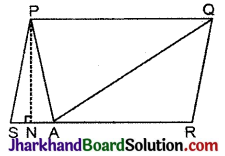
हिन्दी अनुवाद – सबसे अधिक सँकरे और सबसे अधिक व्यस्त मार्गों के किनारे छोटे-छोटे पूजा-स्थलों से लेकर फूलों से सुसज्जित देवताओं तक; फल विक्रेताओं, बाँसुरी विक्रेताओं, पोस्टकार्ड्स के फेरी वालों, पाश्चात्य प्रसाधन सामग्री बेचने वाली दुकानों, फिल्मों के रॉल और चॉकलेट तक; या ताँबे के बर्तनों और प्राचीन नेपाली वस्तुओं से भरपूर काठमाण्डू सजीव, धनलोलुप और धार्मिक स्थल है । रेडियो पर बजते हुए फिल्मी गाने बहुत तेज आवाज में (कर्कस आवाज में.) बजते हैं, कारों के हार्न बजते हैं, साइकिलों की घण्टियाँ बजती हैं, आवारा गायें मोटरसाइकिलों को देखकर मानो कुछ पूछती हुई सी रँभाती हैं और फेरी वाले चिल्ला-चिल्लाकर अपना सामान बेचते हैं।

मैं बिना सोचे-समझे (इस सब में ) शामिल हो जाता हूँ : बादाम की मिठाई का एक टुकड़ा खरीदता हूँ, सड़क के किनारे लकड़ी के कोयले की अँगीठी पर भुना हुआ (नमक, पिसी मिर्च व नींबू रगड़ा हुआ) एक भुट्टा खरीदता हूँ, कुछेक प्रेमकथाओं पर आधारित कॉमिक्स और यहाँ तक कि एक ‘रीडर्स डाइजेस्ट’ भी खरीदता हूँ । यह सब मैं कोका कोला और जी खराब करने वाले संतरे से बने पेय के साथ चट कर जाता हूँ और इस सबके लिए बहुत अधिक अच्छा महसूस करता हूँ।

5. I consider what …………. tomorrow’s flight. (Page 130)

Word-Meanings: consider (कंसिडर) = think, विचार करता हूँ । route (रूट) = way, मार्ग, रास्ता। propelled (प्रॅपेल्ड) = moved, pushed, प्रेरित । enthusiasm (इन्थ्यूजिएज़्म) = zeal, उत्साह, जोश। per se ( पर से) = by itself, स्वयं, अपने आप ही । sail up ( सेल अप) = travel on water, जलमार्ग से यात्रा करना । जिसे exhausted (इग्जॉस्टिड) = tired, थका हुआ । homesick. (होमसिक) = missing one’s home, गृहासक्त, घर की याद सता रही हो । move (मूव) = 80, जाओ । directly ( डिरेक्ट्ल) = straight, सीधे । towards ( ट्वार्ट्ज़) = in the direction of somebody, की ओर । flight (फ्लाइट) = the action of flying through air, उड़ान
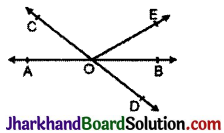
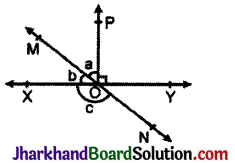
हिन्दी अनुवाद – मैं विचार करता हूँ कि घर वापिस जाने के लिए मुझे कौन-सा रास्ता चुनना चाहिए। यदि मैं यात्रा करने के लिए ही उत्साहित रहा होता तो मैं बस तथा रेलगाड़ी से पटना जाता, फिर गंगा में जलमार्ग से यात्रा करता हुआ बनारस से इलाहाबाद और फिर यमुना में जलमार्ग से यात्रा करता हुआ आगरा से दिल्ली पहुँचता । लेकिन मैं बहुत अधिक थका हुआ हूँ, गृहासक्त हूँ अर्थात् मुझे घर की बहुत याद सता रही है; आज अगस्त का आखिरी दिन है । मैं अपने आप से कहता हूँ कि घर चलो और सीधे घर की ओर चलो। मैं नेपाल की एक एयरलाइन्स के कार्यालय में प्रवेश करता हूँ और अगले दिन की उड़ान का एक टिकट खरीद लेता हूँ।

JAC Class 9 English Solutions Beehive Chapter 10 Kathmandu

6. I look at the………….. his life for years. (Page 130)

Word-Meanings: standing (स्टैंडिंग) = खड़े हुआ | square (स्क्वेअर) = an open space, चौराहा । pole (पोल) = a long bamboo stick, लट्ठा | attachment ( अटैचमण्ट ) = something joined, उपकरण । protrude (प्रॅटूड) = stick out from a surface, बाहर निकली हुई। recorder (रिकॉर्ड) = a type of musical instrument, (बाँसुरी के समान बजाया जाने वाला) बच्चों का संगीत यंत्र | directions ( डिरेक्शन्ज़) = दिशाएँ । quills (क्विल्ज़) = long, thin, sharp points on the body of a pocupine, सेही के काँटे।

porcupine (पॉर्क्युपाइन) = an animal covered with long thin sharp parts, एक जंतु जिसके शरीर पर पतले नुकीले कांटे से लगे होते हैं जो किसी प्राणी के आक्रमण के समय ऊपर खड़े हो जाते हैं, सेही । bamboo (बैम्बू) = a tall tropical plant, बाँस । from time to time (फ्राम टाइम टु टाइम) = sometimes, थोड़ी-थोड़ी देर में । stands (स्टैण्ड्ज़) = gets positioned, खड़ा कर देता है, टिका देता है ।

selects (सिलेक्ट्स) = chooses, picks up, चुनता है, लेता है | plays ( प्लेज़) = makes music with a musical instrument, बजाता है । rises ( राइज़िज़ ) : उठती हैं । meditatively (मेडिटेटिव्लि ) = thoughtfully, ध्यानमग्न होकर । excessive (इक्सेसिव) much, अत्यधिक | display (डिस्प्ले ) = show, दिखावा wares (वेअर्ज़) = things, चीजें । occasionally (ॲकेश्ज़नलि) = now and then, कभी-कभी । curiously (क्युरिअस्ल ) = strangely, अजीब ।

offhanded ( ऑफ़ हैण्डिड ) = not showing much interest, उदासीन | way (वे) = manner, तरीका । as if (ऐज़ इफ) = as though, जैसे कि । incidental (इन्सिडेण्टल ) = something that happens very rarely, कभी-कभी होने वाली घटना। enterprise (एण्टॅ: प्राइज़) = business, व्यापार, कार्य । breaks off (ब्रेक्स ऑफ़ ) = stops, रोक देता है । imagine (इमेजिन ) = to form a picture or idea in mind, कल्पना करता हूँ | pattern (पैटर्न) way, तरीका।

हिन्दी अनुवाद – मैं होटल के निकट चौराहे के एक कोने में खड़े हुए बाँसुरी – विक्रेता को देखता हूँ। उसके हाथ में एक लट्ठा है जिसके ऊपर लगे उपकरण से पचास-साठ बाँसुरियाँ सेही के काँटों की भाँति सब दिशाओं में बाहर निकली हुई हैं । वे बाँस की बनी हुई हैं : उनमें क्रॉस वाली बाँसुरियाँ और बच्चों के संगीत यंत्र भी हैं । थोड़ी-थोड़ी देर में वह बाँस को जमीन पर टिका देता है, एक बाँसुरी छाँटता है और कुछ मिनट के लिए बजाता है । वह आवाज़ स्पष्ट रूप से यातायात के शोर और फेरीवालों की तेज़ आवाज़ों से ऊपर उठती है (सुनाई देती है ) ।

वह इसे धीमे- धीमे ध्यानमग्न होकर और बिना अत्यधिक दिखावा किये बजाता है । वह अपनी चीजें चिल्ला-चिल्लाकर नहीं बेचता है । वह कभी-कभी ही अपनी चीजें बेचता है अर्थात् हर वक्त नहीं लेकिन एक अजीब उदासीन तरीके से बेचता है, जैसे कि उसके व्यापार के लिए यह कभी-कभी होने वाली घटना है । कभी-कभी वह फल विक्रेता से बात करने के लिए (बाँसुरी) बजाना रोक देता है । मैं कल्पना करता हूँ कि वर्षों से यही उसके जीवन का तरीका रहा है।

JAC Class 9 English Solutions Beehive Chapter 10 Kathmandu

7. I find it difficult ………… it can go on. (Pages 130-131 )

Word Meanings: find (फाइण्ड ) = discover, पाता हूँ tear away (टिअर अवे) = move away, अलग होना । at once ( एट वन्स) = at the same time, एक साथ, एक ही समय पर । universal (यूनिवर्सल) found everywhere, सार्वभौमिक | particular (पॅ: टिक्यलर) = belonging to one person, ‘व्यक्तिगत, विशिष्ट | culture (कल्चर) the customs, ideas, beliefs, etc. of a particular society, संस्कृति । reed (रीड) = a tall plant like grass, सरकंडा, नरकुल । classical ( क्लैसिकल) = widely accepted and used for long time, शास्त्रीय । breathy (ब्रीदि) = speaking or singing with a noticeable sound of breathing, साँस की ध्वनि के साथ गाते हुए |

high pitched ( हाई पिच्ट ) = in high tone, ऊँचे स्वर वाली | specific (स्पेसिफिक) = distinct, विशिष्ट । fingering (फिंगरिंग) = touching something with fingers, उँगली से छूना । compass (कॅम्पास) = range, फैलाव । weaves ( वीव्ज़) = form by interlacing long threads, बुनती है । associa- tions (एसोसिएशन्ज़) = (here) musical combination, स्वर – संगति | yet (पेट) = still, फिर भी । seems (सीम्ज़) = looks, लगता है, प्रतीत होता है । to be drawn (टु बी ड्रॉन) = to be pulled out, खिंचे चले जाना।

commonality(कॉमनलिटि) = = quality of being one and the same, एकरूपता । mankind (मैनकाइण्ड ) humanity, मानवता । to be moved (टु बी मूव्ड) = stirred, द्रवित हो जाना । closest (क्लोज़ेस्ट) = very near, सबसे निकट । phrases (फ्रेज़िज़ ) groups of words that are used together, वाक्यांशों, तानों । human (ह्यूमन) = connected with people, मानवीय | motive (मोटिव) = inspiring, प्रेरणादायिनी । force ( फोर्स) power, शक्ति । living breath (लिविंग ब्रेथ ) = breath full of life, जीती-जागती साँस । (पॉज़) pause रुकना । breathe (ब्रीद) = inwhale and exhale, साँस लेना । go on ( गो ऑन) = carry on, जारी रहना. ( यहाँ) बजाते रहना।

हिन्दी अनुवाद – मुझे उस चौराहे से दूर होना (जाना) कठिन लगता है । बाँसुरी के संगीत से हमेशा मेरे साथ ऐसा होता है : यह एक समय पर होने वाली सबसे अधिक सार्वभौमिक और सबसे अधिक विशिष्ट ध्वनि होती है । ऐसी कोई संस्कृति नहीं है जिसकी अपनी बाँसुरी नहीं है सरकंडे की नेह, रिकॉर्डर, जापान की शाकुहाची, हिन्दुस्तानी शास्त्रीय संगीत की गहरी बाँसुरी, दक्षिणी अमरीका की स्पष्ट या साँस के साथ धीमी बजने वाली बाँसुरियाँ, चीन की ऊँचे स्वर वाली बाँसुरियाँ । प्रत्येक व्यक्ति का (बाँसुरी पर) उँगली रखने का अपना विशिष्ट तरीका और फैलाव होता है ।

प्रत्येक बाँसुरी अपनी स्वयं की स्वर संगति बुनती है। फिर भी, मुझे ऐसा लगता हैं कि किसी भी बाँसुरी को सुनना, सम्पूर्ण मानवता की एकरूपता में खिंचे चले जाना है, मानव – ध्वनि के सबसे अधिक निकट तानों और वाक्यों वाले संगीत से द्रवित होना है । इसकी प्रेरणादायिनी शक्ति जीती-जागती साँस है : इसे भी जारी रखने ( बजाते रहने) से पहले रुकने और साँस लेने की आवश्यकता होती है।

8. That I can be ………… significance I now do. (Page 131)

Word Meanings: affected (अफ़ेक्टिड ) = influenced, प्रभावित । a few (अ फ़्यू) = some, कुछ। familiar (फमिलिअर) = Well-known, जानी-पहचानी, सुपरिचित । phrases (फ्रेज़िज़) = a groups of words that are used together, पदों । surprises (स: प्राइज़िज़ ) = astonishes, आश्चर्यचकित करता है । previous (प्रीविअस) = former, पहले के । occasions (ॲकेश्ज़न्ज़) = chances, अवसर | returned (रिटर्न्स) = came back, वापिस लौटा | absence ( एबसन्स) अनुपस्थिति |

abroad (अब्रॉड) = out of one’s native country, विदेश में | hardly (हाड्लि) = not commonly, मुश्किल से ही । noticed (नोटिस्ट) = paid attention to, ध्यान दिया । details ( डीटेल्ज़) = minute descriptions, छोटी-छोटी बातें 1 certainly (स: टन्लि ) = for sure, निश्चित रूप से । invested (इन्वेस्टिड) = spent time, energy, effort that you thought useful, ध्यान दिया। significance (सिग्निफिकन्स) = importance, महत्व।

JAC Class 9 English Solutions Beehive Chapter 10 Kathmandu

हिन्दी अनुवाद – पहले तो मुझे इस बात पर आश्चर्य होता है कि मैं बाँसुरी पर कुछ सुपरिचित पदों (वाक्यांशों) से इतना प्रभावित हो सकता हूँ, क्योंकि पहले के अवसरों पर जब मैं लम्बे समय तक विदेश में रहने के बाद घर लौटा हूँ, मैंने इतनी छोटी-छोटी बातों पर मुश्किल से ही ध्यान दिया है और निश्चित रूप से मैंने उनको इतना महत्व नहीं दिया है जितना कि मैं अब देता हूँ ।

JAC Class 9 Maths Solutions Chapter 2 बहुपद Ex 2.3

Jharkhand Board JAC Class 9 Maths Solutions Chapter 2 बहुपद Ex 2.3 Textbook Exercise Questions and Answers.

JAC Board Class 9 Maths Solutions Chapter 2 बहुपद Exercise 2.3

प्रश्न 1.
x3 + 3x2 + 3x + 1 को निम्नलिखित से भाग देने पर शेषफल ज्ञात कीजिए:
(i) x + 1
(ii) x – \(\frac{1}{2}\)
(iii) x
(iv) x + π
(v) 5 + 2x.
हल:
(i) p(x) = x2 + 3x2 + 3x + 1
माना x + 1 = 0 तब x = -1
p(-1) = (-1)3 + 3(-1)2 + 3(-1) + 1
⇒ p(-1) = -1 + 3 – 3 + 1 ⇒ p(-1) = 0
∴ शेषफल = 0.

(ii) p(x) = x3 + 3x2 + 3x + 1
माना x – \(\frac{1}{2}\) = 0 तब x = \(\frac{1}{2}\)
JAC Class 9 Maths Solutions Chapter 2 बहुपद Ex 2.3 1

(iii) p(x) = x3 + 3x2 + 3x + 1
माना x + 0 = 0 तब x = 0
p(0) = (0)3 + 3(0)2 + 3(0) + 1
= 0 + 0 + 0 + 1 = 1
∴ शेषफल p(0) = 1.

(iv) p(x) = x3 + 3x2 + 3x + 1
माना x + π = 0 तब x = -π
p(-π) = (-π)3 + 3(-π)2 + 3(-π) + 1
∴ शेषफल p(-π) = -π3 + 3π2 + (-3π) + 1.

(v) p(x) = x3 + 3x2 + 3x + 1
माना 5 + 2x = 0 तब x = –\(\frac{5}{2}\)
JAC Class 9 Maths Solutions Chapter 2 बहुपद Ex 2.3 2
= \(\frac{-125+150-60+8}{8}\)
\(p\left(-\frac{5}{2}\right)=-\frac{27}{8}\)
अतः शेषफल = –\(\frac{27}{8}\).

JAC Class 9 Maths Solutions Chapter 2 बहुपद Ex 2.3

प्रश्न 2.
x3 – ax2 + 6x – a को x – a से भाग देने पर शेषफल ज्ञात कीजिए।
हल:
माना p(x) = x3 – ax2 + 6x – a
माना (x – a) p(x) का गुणज हैं
∴ x – a = 0 या x = a
∴ p(a) = (a )3 – a(a)2 + 6(a) – a
p(a) = a3 – a3 + 6a – a ⇒ p(a) = 5a
∴ शेषफल = 5a.

प्रश्न 3.
जाँच कीजिए कि 7 + 3x, 3x3 + 7x का एक गुणनखण्ड है या नहीं।
हल:
7 + 3x का शून्यक –\(\frac{7}{3}\) है।
JAC Class 9 Maths Solutions Chapter 2 बहुपद Ex 2.3 3
⇒ नहीं, क्योंकि शेषफल शून्य नहीं आता।

JAC Class 9 Maths Solutions Chapter 2 बहुपद Ex 2.2

Jharkhand Board JAC Class 9 Maths Solutions Chapter 2 बहुपद Ex 2.2 Textbook Exercise Questions and Answers.

JAC Board Class 9 Maths Solutions Chapter 2 बहुपद Exercise 2.2

प्रश्न 1.
बहुपद 5x – 4x2 + 3 के मान ज्ञात कीजिए जब:
(i) x = 0
(ii) x = -1
(iii) x = 2.
हल:
(i) बहुपद p(x) = 5x – 4x2 + 3, x = 0
बहुपद (x) में x के स्थान पर 0 प्रतिस्थापित करने पर,
p(0) = 5 × 0 – 4(0)2 + 3
= 0 – 0 + 3
∴ p(0) = 3.

(ii) p(x) = 5x – 4x2 + 3, x = -1
x के स्थान पर (-1) रखने पर,
p(-1) = 5(-1) – 4(-1)2 + 3
= – 5 – 4 + 3
∴ p(-1) = -6.

(iii) p(x) = 5x – 4x2 + 3, x = 2
x के स्थान पर (2) रखने पर,
∴ p(2) = 5 × 2 – 4(2)2 + 3
= 10 – 16 + 3 = -3

JAC Class 9 Maths Solutions Chapter 2 बहुपद Ex 2.2

प्रश्न 2.
निम्नलिखित बहुपदों में से प्रत्येक बहुपद के लिए p(0), p(1) और p(2) ज्ञात कीजिए:
(i) p(y) = y2 – y + 1
(ii) p(t) = 2 + t + 2t2 – t3
(iii) p(x) = x3
(iv) p(x) = (x – 1)(x + 1).
हल:
(i) p(y) = y2 – y + 1
p(0) = (0)2 – 0 + 1 = 1
p(1) = 12 – 1 + 1
= 1 – 1 + 1 = 1
p(2) = (2)2 – 2 + 1
= 4 – 2 + 1 = 3

(ii) p(t) = 2 + t + 2t2 – t3
P(0) = 2 + 0 + 2 × 02 – 03
= 2 + 0 + 0 – 0 – 2
p(1) = 2 + 1 + 2(1)2 – (1)3
= 2 + 1 + 2 – 1 = 4
p(2) = 2 + 2 + 2(2)2 – (2)3
= 2 + 2 + 8 – 8 = 4.

(iii) P(x) = x3
P(0) = (0)3 = 0
p(1) = (1)3 = 1
p(2) = (2)3 = 8.

(iv) p(x) = (x – 1)(x + 1)
p(x) = x2 – 1
p(0) = (0)2 – 1 = -1
p(1) = (1)2 – 1 = 0
p(2) = (2)2 – 1 = 4 – 1 = 3.

JAC Class 9 Maths Solutions Chapter 2 बहुपद Ex 2.2

प्रश्न 3.
सत्यापित कीजिए कि दिखाए गए मान निम्नलिखित स्थितियों में संगत बहुपद के शून्यक हैं:
(i) p(x) = 3x + 1; x = –\(\frac{1}{3}\)
(ii) p(x) = 5x – π; x = \(\frac{4}{5}\)
(iii) p(x) = x2 – 1: x = 1, – 1
(iv) p(x) = (x + 1) (x – 2 ); x = -1, 2
(v) p(x) = x2; x = 0
(vi) p(x) = lx + m; x = \(-\frac{m}{l}\)
(vii) p(x) = 3x2 – 1; x = \(-\frac{1}{\sqrt{3}}, \frac{2}{\sqrt{3}}\)
(viii) p(x) = 2x + 1; x = \(\frac{1}{2}\)
हल:
(i) दिया है,
p(x) = 3x + 1; x = –\(\frac{1}{3}\)
P(-\(\frac{1}{3}\)) = 3 × (-\(\frac{1}{3}\)) + 1 = 0
अतः –\(\frac{1}{3}\). p(x) का शून्यक है।

(ii) दिया है, p(x) = 5x – π; x = \(\frac{4}{5}\)
p(\(\frac{4}{5}\)) = 5 × \(\frac{4}{5}\) – π = 4 – π
अतः \(\frac{4}{5}\), p(x) का शून्यक नहीं है।

(iii) दिया है p(x) = x2 – 1; x = 1, -1
x = 1 रखने पर,
p(1) = 12 – 1 = 0
x = -1 रखने पर,
P(-1) = (-1)2 – 1 = 1 – 1 = 0
अतः 1, -1; p(x) के शून्यक हैं।

(iv) दिया है,
p(x) = (x + 1) (x – 2 ) x = -1, 2
x = -1 रखने पर,
p(-1) = (-1 + 1) (-1 – 2 ) = 0 × (- 3 ) = 0
x = 2 रखने पर,
p(2) = (2 + 1) (2 – 2) = 3 × 0 = 0
अत: -1 और 2 पद p(x) के शून्यक हैं।

(v) fear it,
p(x) = x2; x = 0
x = 0 रखने पर, p(0) = (0)2 = 0
अतः 0 पद p(x) का शून्यक है।

(vi) दिया है, p(x) = lx + m; x = \(-\frac{m}{l}\)
x = \(-\frac{m}{l}\) रखने पर
P(\(-\frac{m}{l}\)) = 1 × (\(-\frac{m}{l}\)) + m
⇒ \(-\frac{m}{l}\) पद p(x) का शून्यक है।

(vii) दिया है, p(x) = 3x2 – 1; x = \(-\frac{1}{\sqrt{3}}, \frac{2}{\sqrt{3}}\)
x = \(-\frac{1}{\sqrt{3}}\) रखने पर,
p(\(-\frac{1}{\sqrt{3}}\)) = 3 × (\(-\frac{1}{\sqrt{3}}\)) – 1 = 3 × \(\frac{1}{3}\) – 1 = 0
x = \(\frac{2}{\sqrt{3}}\)
P(\(\frac{2}{\sqrt{3}}\)) = 3 × (\(\frac{2}{\sqrt{3}}\)) – 1 = 3 × \(\frac{4}{3}\) – 1 = 3
अतः \(-\frac{1}{\sqrt{3}}\) पद p(x) का शून्यक है किन्तु \(\frac{2}{\sqrt{3}}\) पद p(x) का शून्यक नहीं है।

(viii) दिया है, p(x) = 2x + 1; x = \(\frac{1}{2}\)
x = \(\frac{1}{2}\) रखने पर
P(\(\frac{1}{2}\)) = 2 × \(\frac{1}{2}\) + 1 = 1 + 1 = 2
अतः \(\frac{1}{2}\) पद p(x) का शून्यक नहीं है।

JAC Class 9 Maths Solutions Chapter 2 बहुपद Ex 2.2

प्रश्न 4.
निम्नलिखित स्थितियों में से प्रत्येक स्थिति में बहुपद का शून्यक ज्ञात कीजिए :
(i) p(x) = x + 5
(ii) p(x) = x – 5
(iii) p(x) = 2x + 5
(iv) p(x) = 3x – 2
(v) p(x) = 3x
(vi) p(x) = ax; a ≠ 0
(vii) p(x) = cx + d; c ≠ 0, c, d वास्तविक संख्याएँ है।
हल:
(i) p(x) = x + 5
p(x) = 0 ∴ 0 = x + 5 ⇒ x = -5
अतः बहुपद x + 5 का शून्यक = -5 है।

(ii) p(x) = x – 5
हमें ज्ञात है: p(x) = 0 ∴ x – 5 = 0 ⇒ x = 5
अतः बहुपद x – 5 का शून्यक = 5

(iii) p(x) = 2x + 5
p(x) = 0
∴ 2x + 5 = 0 ⇒ 2x = -5 ⇒ x = –\(\frac{5}{2}\)
अत: p(x) का शून्यक = –\(\frac{5}{2}\) है।

(iv) p(x) = 3x – 2
p(x) = 0
∴ 3x – 2 = 0 ⇒ 3x = 2 ⇒ x = \(\frac{2}{3}\)
अत: p(x) का शून्यक = \(\frac{2}{3}\) है।

(v) p(x) = 3x
p(x) = 0
∴ 3x = 0 ⇒ x = 0
अतः बहुपद 3x का शून्यक = 0 है।

(vi) p(x) = ax; a ≠ o
p(x) = 0
∴ ax = 0 ⇒ x = 0
बहुपद ax का शून्यक = 0 है।

(vii) p(x) = cx + d; c ≠ 0, c, d
p(x) = 0
∴ cx + d = 0 ⇒ cx = -d ⇒ x = \(-\frac{d}{c}\)
∴ p(x) का शून्यक = \(-\frac{d}{c}\) है।

JAC Class 9 English Solutions Moments Chapter 6 Weathering the Storm in Ersama

Jharkhand Board JAC Class 9 English Solutions Moments Chapter 6 Weathering the Storm in Ersama Textbook Exercise Questions and Answers.

JAC Board Class 9 English Solutions Moments Chapter 6 Weathering the Storm in Ersama

JAC Class 9 English Weathering the Storm in Ersama Textbook Questions and Answers

Think About it

Question 1.
What havoc has the super cyclone wreaked in the life of the people of Orissa?
महाचक्रवात ने उड़ीसा के लोगों के जीवन में क्या विनाशलीला दिखाई ?
Answer:
A super cyclone struck the coastal towns and villages of Orissa in October 1999. Huts and mud houses collapsed and trees were uprooted. There were human corpses and animal carcasses floating all around. Nothing but water could be seen everywhere. Thousands of people died and hundreds of villages were destroyed.

उड़ीसा के समुद्र-तटीय कस्बों एवं गाँवों में सन् 1999 के ‘अक्टूबर मास में एक महाचक्रवात आया । झोंपड़ियाँ व कच्चे मकान ध्वस्त हो गये एवं पेड़ क्षतिग्रस्त हो गये । चारों ओर मानवों व पशुओं की लाशें बहती दिखाई दे रही थीं । सर्वत्र केवल पानी ही पानी दिखाई दे रहा था । इस महाचक्रवात में हजारों लोग मारे गये एवं सैकड़ों माँव बर्बाद हो गये ।

JAC Class 9 English Solutions Moments Chapter 6 Weathering the Storm in Ersama

Question 2.
How has Prashant, a teenager, been able to help the people of his village ?
युवा प्रशांत अपने गाँव के लोगों की सहायता करने में कैसे सक्षम रहा ?
Answer:
With the help of volunteers, Prashant cleaned the shelter of filth, urine, vomit and carcasses. They also treated the wounded and the injured in the shelter. Prashant persuaded the grief-stricken women to join the ‘Food for Work’ programme started by an NGO. For the orphaned children he organised a shelter and organised cricket matches and other sports. Thus, Prashant, showed great courage to help the people of his village by mobilising a group of youth.

स्वयंसेवकों की मदद से प्रशान्त ने शरणस्थल से गन्दगी, मल-मूत्र, उल्टियों और मृत जानवरों को हटाया । उन्होंने शरणस्थल में मौजूद घायलों और चोट खाये लोगों का उपचार किया । प्रशान्त ने दुःख से पीड़ित महिलाओं को एक एन.जी.ओ. के द्वारा शुरू किया गया कार्यक्रम ‘कार्य के बदले भोजन’ में काम करने के लिए राजी किया । अनाथ बालकों के लिए उसने क्रिकेट मैच और दूसरे खेल आयोजित किये । इस प्रकार प्रशान्त युवाओं के एक समूह को सक्रिय कर अपने गाँव के लोगों की सहायता करने में सक्ष

Question 3.
How have the people of the community helped one another? What role do the women of Kalikuda play during these days ?
समुदाय के लोगों ने एक-दूसरे की सहायता किस प्रकार की ? इन दिनों के दौरान कालीकुड़ा की स्त्रियाँ क्या भूमिका निभाती हैं ?
Answer:
The people of the community join hands together to overcome the havoc. The young volunteers get ready at Prashant’s call to help him clean and manage the Red Cross Shelter. They serve the wounded and the injured in the shelter Then they procure food for its inhabitants. The women come forward to earn their own bread and butter to support their families. Childless widows adopt parentless children. Thus, we see that the people of the community of Kalikuda help one another to normalise in life again.

विनाश से उबरने के लिए समुदाय के लोग एकजुट हो जाते हैं। वे प्रशांत के कहने पर युवा स्वयंसेवक रेडक्रास शरणस्थली की सफाई तथा प्रबन्धन में सहायता करने के लिए तैयार हो जाते हैं । वे शरणस्थली में घायल और चोटिल लोगों की सेवा करते हैं । फिर वे वहाँ रहने वालों के लिए भोजन जुटाते हैं ।.स्त्रियाँ अपने परिवारजनों की सहायतार्थ अपनी स्वयं की रोजी-रोटी कमाने हेतु आगे आती हैं । बिना बच्चों ‘ वाली विधवा स्त्रियाँ अनाथ बच्चों को गोद लेती हैं । इस प्रकार हम देखते हैं कि कालीकुडा में समुदाय के लोग जीवन को पुनः सामान्य बनाने के लिए एक-दूसरे की सहायता करते हैं ।

JAC Class 9 English Solutions Moments Chapter 6 Weathering the Storm in Ersama

Question 4.
Why do Prashant and other volunteers resist the plan to set up institutions for orphans and widows? What alternatives do they consider?
प्रशांत और अन्य स्वयंसेवक अनाथों और विधवाओं के लिए अलग से संस्थाएँ स्थापित करने की योजना का विरोध क्यों करते हैं ? वे कौन-से विकल्पों पर विचार करते हैं ?
Answer:
Prashant and other volunteers resist this plan because they feel that in such institutions children will grow up without love and widows will suffer from stigma and loneliness. As an alternative to these institutions for widows and orphans, they want to start fostering such families that are made up of childless widows and children without adult care.

प्रशांत और अन्य स्वयंसेवक विधवाओं एवं अनाथों के लिए सरकारी संस्थाएँ स्थापित करने का विरोध इसलिए करते हैं क्योंकि वहाँ बच्चों को प्यार नहीं मिलेगा और विधवाएँ कलंक व अकेलेपन का अनुभव करेंगी ।विधवाओं एवं अनाथों के लिए ऐसी संस्थाओं के विकल्प के रूप में वे ऐसे परिवारों को चलाना चाहते हैं जो बिना बच्चों वाली (संतानहीन) विधवाओं एवं उन बच्चों से बने हों जिनकी देखरेख करने वाला कोई वयस्क न हो।

Question 5.
Do you think Prashant is a good leader? Do you think young people can get together to help people during natural calamities?
क्या आप सोचते हैं कि प्रशान्त एक अच्छा नेता है ? क्या आपके विचार में युवा लोग प्राकृतिक आपदाकाल में लोगों की सहायता करने के लिए इकट्ठा हो सकते हैं ?
Answer:
Yes, I think, Prashant is a good leader. Prashant has all the qualities of a good leader. He gathers a team of young volunteers who clean the shelter of filth, urine, vomit and carcasses. He persuades women to join the ‘Food-for Work’ programme, started by an NGO. He faces adverse circumstances courageously. In my view, young people can get together to help people during natural calamities.

हाँ मैं सोचता हूँ कि प्रशांत एक अच्छा नेता है। प्रशांत में एक अच्छे नेता के सभी गुण हैं। वह युवा स्वयंसेवकों की एक टोली संगठित करता है जो शरणस्थल से गंदगी, मल-मूत्र, उल्टी और पशुओं के मृत शरीरों को हटाते हैं । वह स्त्रियों को एक एन.जी.ओ. के ‘काम के बदले अनाज’ कार्यक्रम से जुड़ने हेतु तैयार करता है । वह साहस से विषम परिस्थितियों का सामना करता है। मेरे विचार से तो युवा लोग प्राकृतिक आपदाओं के समय लोगों की सहायता करने के लिए अवश्य इकट्ठा हो सकते हैं ।

Talk About it

Question 1.
Talk about the preparedness of the community for a natural disaster.
प्राकृतिक आपदा से निपटने के लिए समुदाय द्वारा की गई पूर्व तैयारी के बारे में चर्चा कीजिये ।
(You can talk about evacuation plans and rehabilitation; permanent safe shelters; warning systems; relief efforts; building materials to withstand cyclone/flood/earthquakes, i.e. safe housing; peoples’ organisation for their own rescue; the survival instinct, etc.)
Answer:
In India, natural disasters occur frequently. The coastal areas are struck with cyclonic storms and huge waves. The Thar desert faces drought almost every year. The eastern part of the country experiences floods in the rainy season. So every community should make preparations to face natural disasters in advance, especially the village society should make evacuation and rehabilitation plans.

Permanent safe shelters should be built. There should be an early warning system for such disasters. The houses should be built of such materials that can withstand cyclone, flood, earthquake, etc. People should organise themselves to rescue the victims. There should be survival instinct among them.

JAC Class 9 English Solutions Moments Chapter 6 Weathering the Storm in Ersama

JAC Class 9 English Weathering the Storm in Ersama Important Questions and Answers

Answer the following questions in about 30 words each :

निम्नलिखित प्रत्येक प्रश्न का उत्तर लगभग 30 शब्दों में दीजिए :

Question 1.
What natural calamity struck Ersama and what was its effect ?
एरसामा पर कौन – सी प्राकृतिक आपदा आयी तथा इसका क्या प्रभाव पड़ा ?
Answer:
A super cyclone struck Ersama. It devastated hundreds of villages and killed thousands of people and animals. It uprooted trees and washed away many houses.

एरसामा में महाचक्रवात आया । इसने सैकड़ों गाँवों को बर्बाद कर दिया और हजारों लोगों व जानवरों को मार डाला। इसने पेड़ों को उखाड़ डाला और इससे कई घर पानी में बह गये।

Question 2.
When Prashant returned to his village, it was a journey he would never forget. Why?
जब प्रशान्त अपने गाँव लौटा तो यह एक ऐसी यात्रा थी जिसे वह कभी नहीं भूलेगा । क्यों ?
Answer:
When Prashant was returning to his village, he had to push swollen corpses of animals and human beings floating here and there on the way, So, it was an unforgettable journey for him.

जब प्रशान्त अपने गाँव को लौट रहा था तो उसे रास्ते में जानवरों और मनुष्यों के इधर-उधर तैरते हुए फूले हुए शव धकेलने पड़े थे । अतः उसके लिए यह एक अविस्मरणीय यात्रा थी।

Question 3.
How did Prashant arrange food for the refugees in the shelter?
शरणस्थल के शरणार्थियों के लिये प्रशान्त ने भोजन का प्रबन्ध कैसे किया ?
Answer:
With a group of the youths and the elders of the village, Prashant went to the merchant. They pressurised him to deliver the rice for the refugees. Thus, he arranged food for the entire shelter.

गाँव के युवा और बुजुर्गों के एक दल के साथ प्रशान्त व्यापारी के पास गया । उन्होंने उस पर शरणार्थियों को चावल देने के लिए दबाव डाला । इस प्रकार उसने पूरे शरणस्थल के लिए भोजन का प्रबन्ध किया ।

JAC Class 9 English Solutions Moments Chapter 6 Weathering the Storm in Ersama

Question 4.
How did the fallen coconut trees help the cyclone-hit people?
नारियल के गिरे हुए वृक्षों ने चक्रवात पीड़ित लोगों की मदद कैसे की ?
Or
How did the people feed themselves until the government help reached them?
जब तक सरकारी मदद नहीं पहुँची तब तक लोगों ने खुद का पेट कैसे भरा ?
Answer:
After the cyclone hit the people had nothing to eat. But the tender coconuts of the fallen coconut trees were there to feed them before the government help reached them.

चक्रवात के समय लोगों के पास खाने के लिये कुछ भी नहीं था । लेकिन सरकारी सहायता पहुँचने से पहले वहाँ गिरे हुए नारियल के वृक्षों के कोमल नारियल उन्हें पेट भरने के लिए मिले थे।

Question 5.
What was the only thought flashing in Prashant’s mind during the cyclone ?
चक्रवात के दौरान प्रशान्त के मन में एकमात्र कौन – सा विचार कौंध रहा था ?
Answer:
During the cyclone, when Prashant was huddled with his friend’s family on the roof of their house, the only thought flashing in his mind was about the safety of his family.

चक्रवात के दौरान जब प्रशान्त अपने मित्र के परिवार के साथ उनके मकान की छत पर डर या ठंड के कारण सिमटकर बैठा हुआ था तब उसके मन में कौंधने वाला एकमात्र विचार अपने परिवार की सुरक्षा के बारे में था ।

Question 6.
Why did Prashant weep out loud and long ?
प्रशान्त बहुत देर तक फूट-फूटकर क्यों सेया ?
Answer:
Prashant saw a number of dead bodies of human beings and animals floating in the flood. Barely a house was left safe. Seeing this all, he wept out loud and long.

प्रशान्त ने बाढ़ के पानी में मनुष्यों एवं पशुओं के बहुत से शव बहते हुए देखे । मुश्किल से ही कोई मकान सुरक्षित बचा था । यह सब देखकर वह बहुत देर तक फूट-फूटकर रोया ।

Question 7.
Where did Prashant sit huddled with his friend’s family during the two days of the super cyclone? Where did they get their food from?
महाचक्रवात के दो दिनों के दौरान प्रशान्त अपने मित्र के परिवार सहित कहाँ सिमटकर बैठा रहा ? उन्होंने अपने लिए भोजन कहाँ से प्राप्त किया?
Answer:
During the two days of super cyclone Prashant was in Ersama with his friend’s family. He sat huddled with them in the open on the roof of their house. They got their food from two coconut trees which had fallen on the roof of their house.

महाचक्रवात के दो दिनों के दौरान प्रशान्त अपने मित्र के परिवार के साथ एरसामा में था । वह उनके साथ खुले में उनके मकान की छत पर डर या ठंड के कारण सिमटकर बैठा रहा । उन्हें उन दो नारियल के पेड़ों से भोजन प्राप्त हुआ जो उनके घर की छत पर गिर पड़े थे ।

JAC Class 9 English Solutions Moments Chapter 6 Weathering the Storm in Ersama

Question 8.
Why was it difficult for Prashant to travel back to his village ?
प्रशान्त के लिये अपने गाँव वापिस जाना मुश्किल क्यों था ?
Answer:
Prashant’s village was eighteen kilometres away from Ersama town. Everything was submerged in flood waters. Dead bodies of human beings and animals were seen floating in water. So, it was difficult for him to travel back to his village.

प्रशान्त का गाँव एरसामा कस्बे से अट्ठारह किलोमीटर दूर था । हर चीज बाढ़ के पानी में डूबी थी । मनुष्यों और पशुओं के शव पानी में तैर रहे थे ।अतः उसका गाँव वापिस जाना मुश्किल था ।

Question 9.
Why did Prashant’s heart go cold on reaching his village ?
अपने गाँव पहुँचने पर प्रशान्त का दिल क्यों बैठ गया ?
Answer:
When Prashant reached his village, all the houses had been ruined. His own house was also destroyed and only a broken roof remained. Some of their belongings were found twisted and mangled, caught in the branches of trees. Watching all this, his heart went cold.

जब प्रशान्त अपने गाँव पहुँचा तो वहाँ सभी मकान तबाह हो चुके थे । उसका खुद का मकान भी टूट गया था और केवल टूटी छत ही रह गयी थी। उनका कुछ सामान पेड़ों की शाखाओं में मुड़ा- तुड़ा उलझा पड़ा था । यह सब देखकर उसका दिल बैठ गया ।

Question 10.
What were the two important tasks Prashant did after deciding to be the leader of the village?
गाँव का नेता बनने का निश्चय करने के बाद प्रशान्त ने कौन-से दो महत्त्वपूर्ण कार्य किये?
Answer:
First, he organised a group of youths and elders. They pressurised the merchant to give them rice for the refugees. His second task was to organise a team of youth volunteers who cleaned dirt, urine, vomit in the shelter and nursed the injured people.

सबसे पहले प्रशान्त ने नवयुवकों व बुजुर्गों का एक दल संगठित किया । उन्होंने व्यापारी पर शरणार्थियों के लिये चावल देने के लिए दबाव बनाया। उसका दूसरा काम था स्वयंसेवक नवयुवकों की एक टीम का गठन करना जिसने शरणस्थल में गन्दगी, मल-मूत्र, उल्टी आदि को साफ किया तथा घायलों की सेवा की ।

Question 11.
How did the youth task force make the helicopter drop regular quantities of food?
युवा स्वयंसेवक दल ने हेलिकॉप्टरों से नियमित भोजन कैसे गिरवाया ?
Answer:
The youth task force gathered utensils from the shelter and then asked the children to lie in the sand around the shelter, putting empty utensils on their stomachs to communicate to the passing helicopters that they were hungry. The message was conveyed, and thus, the helicopters began to drop quantities of food and other of basic needs to the place regularly.

युवा स्वयंसेवक दल ने शरणस्थली से बर्तन इकट्ठे किये और बच्चों से उन खाली बर्तनों को पेट पर रखकर शरणस्थली के पास रेत पर लेटने को कहा ताकि वहाँ से गुजरने वाले हेलिकॉप्टरों को यह पता चल जाये कि वे भूखे हैं । उनका यह संदेश पहुँच गया, और इस प्रकार हेलिकॉप्टर उस स्थान पर भोजन सामग्री एवं दूसरी आवश्यक वस्तुएँ नियमित रूप से गिराने लगे ।

Question 12.
How did Prashant help the women and children get over their grief ?
प्रशान्त ने स्त्रियों और बच्चों को दुःख से उबरने में किस प्रकार सहायता की ?
Answer:
Prashant persuaded the women to join the Food for Work programme run by an N.G.O. For the children; he organised cricket matches and other sports events. Thus, he kept them busy so that they could forget their sorrows.

प्रशान्त ने स्त्रियों को एक एन.जी.ओ. द्वारा चलाये जा रहे ‘काम के लिये भोजन’ कार्यक्रम में भाग लेने के लिये सहमत कर लिया । उसने बच्चों के लिये क्रिकेट मैच व अन्य खेल गतिविधियों का आयोजन किया। इस प्रकार उसने उन्हें व्यस्त रखा जिससे वह अपने दुःखों को भूल सकें।

JAC Class 9 English Solutions Moments Chapter 6 Weathering the Storm in Ersama

Question 13.
Why, according to Prashant’s group, should orphans and widows not be sent to institutions?
प्रशान्त के दल के अनुसार, अनाथों व विधवाओं को सरकारी संस्थाओं में क्यों नहीं भेजा जाना चाहिए था?
Answer:
Prashant’s group did not want the orphans and widows to be sent to government institutions, because they thought that children would grow up there without love and · affection, and widows would suffer from stigma and loneliness.

प्रशान्त का दल नहीं चाहता था कि अनाथों व विधवाओं को सरकारी संस्थानों में भेजा जाए, क्योंकि वे सोचते थे कि वहाँ पर बच्चों का विकास बिना प्यार-दुलार के होगा तथा विधवाएँ कलंक व एकाकीपन की भावना से ग्रस्त रहेंगी ।

Question 14.
Suppose you are a victim of a natural calamity. How will Prashant’s example inspire you in rescuing and helping others ?
मान लीजिए कि आप एक प्राकृतिक आपदा के शिकार हैं । प्रशान्त का उदाहरण आपको लोगों को बचाने और उनकी सहायता करने के लिये कैसे प्रेरित करेगा ?
Answer:
I am greatly inspired by Prashant’s deeds. He taught us the lesson the of facing difficulties adverse cirumstances of natural calamity with courage and strength. I too will certainly rescue and help the victims of natural calamity with the cooperation of like-minded youths.

मैं प्रशान्त के कार्यों से बहुत प्रभावित हूँ । उसने विषम परिस्थितियों में हमें मुश्किलों का सामना साहस व ताकत से करना सिखाया । निश्चित रूप से, मैं भी अपने जैसे युवाओं की मदद से प्राकृतिक आपदा से पीड़ितों को बचाऊँगा और उनकी सहायता भी करूँगा ।

Answer the following questions in about 60 words each :

निम्नलिखित प्रत्येक प्रश्न का उत्तर लगभग 60 शब्दों में दीजिए :

Question 1.
How did the super cyclone cause destruction in Ersama according to the story?
कहानी के अनुसार, एरसामा में महाचक्रवात ने किस प्रकार विनाश किया ?
Answer:
A super cyclone struck the coastal towns and villages of Orissa in October 1999. Huts and mud houses collapsed and trees were uprooted. There were human corpses and animal carcasses floating all around. Nothing but water could be seen everywhere. Thousands of people died and hundreds of villages were destroyed.

उड़ीसा के समुद्र-तटीय कस्बों एवं गाँवों में सन् 1999 के ‘अक्टूबर मास में एक महाचक्रवात आया । झोंपड़ियाँ व कच्चे मकान ध्वस्त हो गये एवं पेड़ क्षतिग्रस्त हो गये । चारों ओर मानवों व पशुओं की लाशें बहती दिखाई दे रही थीं । सर्वत्र केवल पानी ही पानी दिखाई दे रहा था । इस महाचक्रवात में हजारों लोग मारे गये एवं सैकड़ों माँव बर्बाद हो गये ।

Question 2.
How did Prashant reach his village after the super cyclone was over ? Describe.
महाचक्रवात समाप्त होने के बाद प्रशान्त किस प्रकार अपने गाँव पहुँचा ? वर्णन कीजिए ।
Answer:
When the super cyclone was over, Prashant decided to go to his village. He took a long and strong stick to check the depth of water on the way and started on his eighteen-kilometre journey to his village. At several points, he lost the road and had to swim.Prashant walked through the waters with great difficulty as he had to push the dead bodies aside to make his way. Thus, with great difficulty, Prashant reached his village.

जब महाचक्रवात समाप्त हुआ तो प्रशान्त ने अपने गाँव जाने का निश्चय किया । उसने रास्ते में पानी की गहराई जाँचने के लिये एक लम्बी और मजबूत लाठी ली और अट्ठारह किलोमीटर की अपने गाँव की यात्रा पर निकल पड़ा । कई जगहों पर वह सड़क से भटक जाता था और उसे तैरना पड़ता था, प्रशान्त ( बाढ़ के ) पानी में बड़ी मुश्किल से चल पा रहा था क्योंकि उसे अपना रास्ता बनाने के लिये मृत शवों को एक तरफ धकेलना पड़ता था । इस प्रकार प्रशान्त बहुत मुश्किल से अपने गाँव पहुँचा ।

Question 3.
What did Prashant see on reaching his village ?
अपने गाँव पहुँचने पर प्रशान्त ने क्या देखा ?
Answer:
On reaching his village, Prashant’s heart went cold. In place of his house, only its broken roof was visible. Some of their belongings were caught, mangled and twisted in the branches of trees. Everything was submerged by the floods. Eighty-six lives had been lost. All the ninety-six houses had been washed away. The people had survived on tender coconuts at the shelter for the last four days. In the Red Cross shelter, he could see some of his family members.

अपने गाँव पहुँचकर प्रशान्त का दिल बैठ गया । जहाँ कभी उसका घर हुआ करता था, वहाँ अब केवल उसकी टूटी-फूटी छत दिखाई दे रही थी । उनके घर का कुछ सामान मुड़ा- तुड़ा पेड़ों की टहनियों में उलझा हुआ था । सब-कुछ बाढ़ में डूबा हुआ था । छियासी जानें चली गई थीं। गाँव के सभी छियानवे घर बह गये थे। पिछले चार दिनों से लोग मुलायम नारियलों को खाकर जी रहे थे । प्रशान्त रेडक्रॉस के शरणस्थल में अपने परिवार के कुछ सदस्यों से मिल सका ।

Question 4.
How did Prashant help himself and other victims overcome this natural calamity?
इस प्राकृतिक आपदा से उबरने के लिये प्रशान्त ने स्वयं की तथा अन्य पीड़ितों की क्या मदद की ?
Or
How did Prashant help the people of his village affected by the super cyclone?
महाचक्रवात से प्रभावित अपने गाँव के लोगों की प्रशांत ने किस प्रकार सहायता की ?
Answer:
Prashant reached the shelter and collected a team of young volunteers who cleaned filth, urine, vomit and dead bodies around the shelter and nursed the victims. Prashant arranged rice from the merchant for the people in the shelter. Prashant and his team managed to get food parcels from the military helicopters that flew over the shelter. He worked with the widows and orphans to help them come out of their grief.

प्रशान्त शरणस्थल पहुँचा तथा उसने युवा स्वयंसेवकों की टीम बनाई जिसने शरणस्थल के चारों ओर की गंदगी, मूत्र, उल्टी, शवों को साफ किया तथा प्रभावित लोगों की मरहम पट्टी की । प्रशान्त ने शरणस्थल के लोगों के लिये व्यापारी से चावल का प्रबन्ध भी किया । प्रशान्त और उसकी टीम ने शरणस्थल के ऊपर से उड़ने वाले सैनिक हेलिकॉप्टरों से खाने के पैकेटों की भी व्यवस्था की। उसने विधवाओं और अनाथ बच्चों को उनके दुःख से उबारने में मदद की ।

JAC Class 9 English Solutions Moments Chapter 6 Weathering the Storm in Ersama

Question 5.
Draw the character sketch of Prashant.
प्रशान्त का चरित्र चित्रण कीजिये ।
Answer:
The character sketch of Prashant can be drawn as follows:
(i) An able organizer – At the time of a great calamity, he organizes a group of youths and elders to work effectively.
(ii) A man of patience – Even at the time of great distress, he remains patient.
(iii) His sense of service – Prashant has the will to serve the victims of the cyclone. That is why, he comes forward as their saviour.
(iv) A handsome youth – Prashant is a young boy of nineteen years. A look at his face gives comfort to the people in trouble.
In short, Prashant has all the qualities of a good human being as well as of a good leader.

प्रशान्त का चरित्र चित्रण निम्न प्रकार किया जा सकता है :
(i) एक सुयोग्य संगठनकर्त्ता महान त्रासदी के समय वह युवकों और बड़े लोगों को प्रभावशाली ढंग से कार्य करने के लिए एक समूह में संगठित करता है ।
(ii) धैर्यशाली व्यक्ति घोर संकट के समय में भी वह धैर्य रखता है ।
(iii) उसका सेवा – भाव प्रशान्त में चक्रवात से पीड़ित लोगों की सेवा करने की दृढ़ इच्छा है, इसीलिए वह उनके बचाव के लिए आगे आता है ।
(iv) सुन्दर नवयुवक प्रशान्त एक उन्नीस वर्ष का युवक है । उसके चेहरे पर एक नजर डाल लेने भर से परेशान लोगों को आराम मिल जाता है । संक्षेप में, प्रशान्त में एक श्रेष्ठ मानव के साथ-साथ एक श्रेष्ठ नेता के सभी गुण हैं ।

Weathering the Storm in Ersama Summary and Translation in Hindi

About the Story

अक्टूबर, 1999 में उड़ीसा में आये चक्रवात में हजारों लोग मर गये और सैकड़ों गाँव बर्बाद हो गये । प्रशान्त नामक नवयुवक दो भयानक रातों तके एक मकान की छत पर अवरुद्ध होकर अलग-थलग (एकान्त में) बैठा रहा । तीसरे दिन उसने अपने गाँव जाने का निश्चय किया । क्या उसे अपना परिवार मिला ? यह जानने के लिए पूरी कहानी पढ़िये ।

Word-Meanings And Hindi Translation

On 27 October 1999 ………………….. roof and walls. (Pages 37-38)

Meanings:weathering (वेदरिंग) = coming safely through a difficult time, कठिन समय में, बचकर निकलनां । headquarters (हेडक्वाटॅ ज्) = main office, मुख्यालय । coastal (कोस्टल) तटीय | spend (स्पेण्ड) seen, देखा था। pass, बिताना । menacing (मेनॅसिंग) = खतरनाक, संकटपूर्ण । storm (स्टॉ:म) = तूफान । quickly (क्विक्लि ) : very fast, शीघ्रता से, एकदम | gathered (गैर्दै: ड्) = came up, आ गया । winds ( विण्ड्ज़) हवाएँ। beat (बीट) = hit, प्रहार करना । fury ( फ़्यूरि) = anger क्रोध । witnessed (विट्नस्ट्) heavy (हैवि) भारी । incessant ( इन्सेसण्ट ) = continuous, लगातार । filled the darkness (फिल्ड द डा:कनिस) = अन्धकार को और गहरा कर दिया । ancient (एनशॅण्ट्) = very old, बहुत पुराने । were uprooted (वर अपरूटिड) = उखड़ गये |

crashed ( क्रैश्ट) = धड़ाम से गिर पड़े । screams (स्क्रीम्ज़) = shouts in pain, दुःखभरी चीखें | rent (रेण्ट ) = disturb (the air) sharply with loud noise, (यहाँ) filled, भर दिया । swiftly (स्विफ्ट्ल) = at great speed, तेजी से । washed away (वॉस्ट अवे) = (यहाँ) were flowing, बहे जा रहे थे। swirled (स्वॅ:ल्ड्) = came in the form of a whirlpool, भँवर के रूप में आया, चक्कर लगाये । neck deep (नेक डीप) = गर्दन की ऊँचाई तक | brick (ब्रिक) = ईंट | mortar (मॉ: टॅ (रं)) = a mixture of lime, sand, water and cement, गारा, मसाला | strong (स्ट्रॉंग) = मजबूत । survive (सॅवाइव् ) = bear the blow, प्रहार को सहन कर लेना । devastation (डेवस्टेशन) = destruction, विनाश । velocity (वलोसटी) = speed, वेग, गति की रफ्तार। cold’terror (कोल्ड टेरॅ (र)) = great fear, अत्यधिक भय | grew ( ग्रू) = बढ़ गया | fallen (फॉलन ) गिर गये। damaging (डैमिजिंग) = नुकसान पहुँचाते हुए, क्षतिग्रस्त करते हुए ।

JAC Class 9 English Solutions Moments Chapter 6 Weathering the Storm in Ersama

हिन्दी अनुवाद – अपनी माँ की मृत्यु के सात साल बाद, 27 अक्टूबर, 1999 को प्रशान्त एक मित्र के साथ दिन बिताने के लिए अपने गाँव से लगभग अट्ठारह किलोमीटर दूर तटीय उड़ीसा के ब्लॉक मुख्यालय, एरसामा नामक छोटे-से कस्बे में गया था । शाम को एक अन्धकारपूर्ण और विनाशकारी तूफान एकदम से आ गया । हवाओं ने मकानों को इतनी तेजी व क्रोध से थपेड़े मारे थे जो प्रशांत ने पहले कभी प्रत्यक्ष नहीं देखे थे । भारी और लगातार वर्षा ने अँधेरे को और गहरा दिया, पुराने पेड़ उखड़ गये और धड़ाम से जमीन पर गिर पड़े | हवा लोगों की चीखों से भर गई, क्योंकि लोग और उनके घर तेजी से बह गये थे ।

क्रोधित समुद्र का जल उसके मित्र के घर में गर्दन की ऊँचाई तक आ गया था। वह भवन ईंट और गारे (मसाले) से बना था, और इतना मजबूत था कि उसने 350 किमी प्रति घंटा के वेग से चलने वाली तूफानी व विनाशकारी हवा के प्रहार को सह लिया था । लेकिन मकान पर आधी रात में किसी समय उखड़कर गिरे वृक्षों की आवाज ने परिवार के भय को और भी बढ़ा दिया था । इन वृक्षों ने छत व दीवारों को क्षतिग्रस्त कर दिया था ।

The crazed destruction …………… days that followed. (Page 38)

Meanings:crazed (क्रेज़्ड) = with great excitement, अत्यधिक उत्तेजित, (यहाँ) भारी । destruction (डिस्ट्रक्शन) = great loss, विनाश। wrought (रॉट) = done, किया गया । cyclone (साइक्लोन) = fast and circular movement of winds, चक्रवात । surge (सॅ:ज्) = उफान । ocean (ओशून्) = समुद्र । continued (कॅन्टिन्यूड) = went on चला, जारी रहा । although (ऑलदो ) = यद्यपि, हालाँकि । had reduced (हैड रिड्यूस्ट्) = had come down, कम हो गई थी । somewhat (समवाद् ) = to some extent, कुछ हद तक । escape (इस्केप) = avoid, बचना । rising (राइज़िंग) = coming up, बढ़ते हुए । refuge (रिफ़्यूज् ) = shelter, शरण । forget (फॅगेट) भूलना | shock (शॉक) = sudden feeling of loss, आघात । experienced (इक्स्पिअरिअन्स्ट् ) = felt, महसूस किया । glimpse (ग्लिम्प्स) = short sight, झलक । devastation (डेबस्टेशन) = destruction, विनाश | super (सूप (र)) = great, बहुत बड़ा ।

grey (ग्रे) = धूसर | raging (रेजिंग) = violent, विनाशकारी । deadly ( डेड्लि) – causing death, घातक । covered (कवें: ड) = ढक लिया । as far as (ऐज़ फा (र) ऐज़) = जितनी दूर तक, जहाँ तक । fractured (फ्रैक्वड) = broken, टूटे हुए । still (स्टिल) = even now, अब भी । bloated (ब्लोटिड) : swollen, फूले हुए। carcasses (कॅ: कासिज़) = dead bodies of animals, मृत शरीर, शव, लाशें । corpses (कॉ:पसिज़) = dead bodies of human beings, मृत शरीर, शव ।

floated (फ्लोटिड) = (यहाँ) तैर रहे थे । in every direction (इन एवरि डिरेक्शन) = everywhere, प्रत्येक दिशा में | all round (ऑल राउण्ड) = चारों ओर | huge (ह्यूज) = very big, विशाल । coconut (कोकॅनट ) = नारियल । blessing in disguise (ब्लेसिंग इन डिस्गाइज़) = छिपे रूप में वरदान, प्रच्छन्न वरदान । tender (टेण्ड (र)) = soft, कोमल, मुलायम । trapped (ट्रैप्ट) = caught in a bad situation, फँसे हुए । starving (स्टा: विंग) = dying of hunger, भूख से मरते हुए | followed (फॉलोअड) : = came after, आने वाले ।

हिन्दी अनुवाद – चक्रवात तथा समुद्र के उफान द्वारा चला भारी विनाश अगले छत्तीस घंटों तक जारी रहा, हालाँकि अगली सुबह तक हवा की गति कुछ हद तक धीमी पड़ गई थी । घर में बढ़ते हुए पानी से बचने के लिए प्रशांत और उसके मित्र का परिवार छत पर शरण लिये हुए था । इस महा चक्रवात द्वारा किये गये विनाश की पहली झलक का आघात जो प्रशांत ने प्रातः काल के मंद ( धूसर ) प्रकाश में महसूस किया उसे वह कभी नहीं भूलेगा ।

जहाँ तक नजर जाती थी वहाँ तक विनाशकारी और घातक पानी की भूरी चादर ने सब कुछ ढक रखा था; मात्र कुछ टूटे हुए सीमेंट के मकान अब भी कहीं-कहीं खड़े दिखाई दे रहे थे । जानवरों व मनुष्यों के फूले हुए शव हर दिशा में तैर रहे थे । और यहाँ तक कि विशाल वृक्ष भी चारों ओर गिरे हुए थे । दो नारियल के पेड़ उनके घर की छत पर गिर गये थे । यह (दूसरे रूप में) एक छिपा हुआ वरदान था क्योंकि इन पेड़ों के मुलायम नारियलों ने ( पानी में ) फँसे उस परिवार को आने वाले कई दिनों तक भूखों मरने से बचाया ।

JAC Class 9 English Solutions Moments Chapter 6 Weathering the Storm in Ersama

For the next …………. had to go. (Page 38)

Meanings : huddled (हडल्ड) = crowded together, ठंड या डर के कारण सिमटकर बैठा । froze (फ्रोज़) = felt chilled, ठिठुर गये । incessant ( इन्सेसण्ट ) = continuous, लगातार । washed away (वॉस्ट अवे) धो दिया । tears (टिअॅज़) = आँसू । thought (थॉट ) = विचार । flashed through his mind (फ्लैश्ट थ्रू हिज़ माइण्ड ) = उसके मस्तिष्क में कौधा । whether (वेदर) = if, कि क्या । had survived (हैड सॅ: वाइव्ड) = जीवित बची होगी । fury ( फ्यूरि) = great anger, प्रकोप | bereaved (बिरीव्ड) = deprived of loved ones, प्रियजनों से बिछुड़ना । seemed (सीम्ड) = looked प्रतीत हुआ, लगा ।

ceased ( सीज़्ड) = stopped, रुक गयी । slowly (स्लोलि ) = by and by, धीरे-धीरे । began to recede (बिगेन टु रिसीड) = started coming down, घटने लगा । determined (डिटॅ: मिण्ड ) = दृढ़ निश्चय किये हुए। seek out (सीक आउट) = ढूँढ़ निकालना | without further delay (विदाउट फॅटॅ(र) डिले) = बिना और देरी किये । situation ( सिचुएशन) = स्थिति | dangerous ( डेन्जरस ) = खतरनाक । pleaded ( प्लीडिड ) = requested, अनुरोध किया । stay back (स्टे बैक) = वहीँ रुकना । a little while longer (अ लिट्ल वाइल लांग (र)) = कुछ समय और ।

हिन्दी अनुवाद- अगले दो दिनों तक प्रशांत अपने मित्र के परिवार के साथ छत पर खुले में (ठंड के कारण ) सिमटकर बैठा रहा। वे लगातार बारिश और ठंड से ठिठुर गये; वर्षा के पानी ने प्रशांत के आँसू धो दिये । उसके मन में केवल एक विचार कौंधा अर्थात् आया कि क्या उसका परिवार इस महाचक्रवात के प्रकोप से बचा होगा। क्या उसे एक बार फिर परिवार से बिछुड़ना पड़ेगा ? दो दिन बाद, जो प्रशांत के लिये दो वर्ष जैसे थे, बारिश रुकी और बारिश का पानी धीरे-धीरे घटने लगा । प्रशान्त बिना और देरी किये अपने परिवार की खोज-खबर लेने के लिए दृढ़प्रतिज्ञ था । लेकिन स्थिति अब भी खतरनाक थी और उसके मित्र के परिवार ने प्रशांत से कुछ समय और रुकने का अनुरोध किया । लेकिन प्रशांत जानता था कि उसे जाना है ।

He equipped ……………this catastrophe. (Pages 38-39)

Meanings: equipped himself (इक्विप्ट हिमसेल्फ़) = took with him, अपने साथ ली, अपने को लैस किया । sturdy (स्टॅ: डि) = strong, मजबूत | expedition ( एक्स्पडिशन) = a long journey for a special purpose साहसिक यात्रा । swollen (स्वोलन) = up very high, बढ़े हुए । food (फ्लड) = बाढ़ | journey (ज: नि) = यात्रा। forget (फॅ: गेट) = भूलना । constantly (कॉन्स्टेन्ट्ल) = continuously, लगातार । locate ( लोकेट) = स्थिति का पता लगाना । determine (डिटॅमिन) = पहले से निर्धारित करना | shallow (शैलो) = not deep, उथला, कम गहरा । at places (ऐट प्लेसिज़) = कई स्थानों पर । waist deep (वेस्ट डीप) = कमर तक गहरा । progress (प्रोग्रेस) = प्रगति । slow (स्लो) = धीमी । at several points (ऐट सेवरल पॉइण्ट्स) = कई स्थानों पर । lost the road (लॉस्ट द रोड) = सड़क से भटक जाता था । distance (डिस्टन्स) = दूरी । was relieved (वॉज़ रिलीव्ड) = found relief, राहत मिली । returning ( रिटॅनिंग) = going back, लौट रहे ।

decided (डिसाइडिड ) – निश्चय किया | move ahead ( मूव अहेड) = आगे बढ़ना । together (टगेदर) = साथ-साथ waded (वेडिड) = walked in water, पानी में चले । scenes ( सीन्ज़) = sights, दृश्य | witnessed (विट्नस्ट) | = saw, देखा। macabre (मकाबॅ (र)) = horrible, विकराल, डरावना । push away ( पुश अवे) = ध केलना । carcasses (कॅ: कासिज़) = dead bodies, शवों । current (करेन्ट) = stream of water, धारा, प्रवाह । swept (स्वेप्ट) = flowed, बहा देता था । barely (बेॲलि) = hardly, मुश्किल से ही । wept out (वेप्ट आउट) = रोता रहा । loud (लाउड) = (यहाँ) फूट-फूटकर । long (लाँग ) = काफी देर तक । could not have survived (कुड् नॉट हैव सॅवाइव्ड ) = नहीं बचा होगा । catastrophe (कटेस्ट्रफि) = disastrous ruin, महाविपत्ति, विनाशलीला।

हिन्दी अनुवाद- उसने एक लम्बी, मजबूत लाठी ली और बाढ़ के बढ़े हुए पानी से होकर अट्ठारह किलोमीटर की अपनी साहसिक यात्रा पर वापिस अपने गाँव चल दिया । यह एक ऐसी यात्रा थी जिसे वह कभी नहीं भूल पायेगा । सड़क की स्थिति तथा सबसे कम गहरे पानी के स्थान को जानने के लिए उसे लगातार लाठी का प्रयोग करना पड़ता था । कई स्थानों पर यह (पानी) कमर तक गहरा था और उसकी गति धीमी थी। कई स्थानों पर वह सड़क से भटक जाता था तथा उसे तैरना पड़ता था ।

कुछ दूरी चलने के बाद उसे अपने चाचा के दो मित्रों को पाकर राहत मिली जो अपने गाँव लौट रहे थे । उन्होंने साथ – साथ आगे बढ़ने का निर्णय किया । पानी में चलते हुए उन्होंने जो दृश्य देखें वे और अधिक वीभत्स ( भयंकर) होते गये। जैसे ही वे आगे बढ़ते थे तो उन्हें बहुत-से स्त्री, पुरुषों, बच्चों के मृत शरीरों को और कुत्तों, बकरियों और मवेशियों के शवों को धकेलना पड़ता था जिन्हें पानी का बहाव उनके सामने बहा कर ले आता था । हर गाँव में जहाँ से वे गुजरे, उन्हें मुश्किल से ही कोई मकान खड़ा दिखाई देता । अब प्रशांत काफी देर तक फूट-फूटकर रोता रहा । उसे पक्का विश्वास हो गया था कि इस विनाशलीला में उसका परिवार नहीं बचा होगा ।

Eventually, Prashant ………….. seemed to be there. (Page 39)

Meanings:eventually (इवेन्च्युअलि) = at last, आखिरकार, अन्ततः । remnants (रेमनण्ट्स) = leftovers, अवशेष । belongings (बिलाँगिग्ज़) = household goods, घर का सामान | caught (कॉट) = (यहाँ) अटका हुआ। mangled (मैंगल्ड) = broken, टूटा-फूटा । twisted (ट्विस्ट्डि) = मुड़ा – तुड़ा । visible (विज़िब्ल ) = seen, नज़र पड़े । shelter (शेल्टॅ (र)) = शरणस्थल । look for ( लुक फॉ(र)) = find out, तलाश करना । जो among (अमंग) = के बीच | maternal grandmother (मेटॅ:नल ग्रैन्ड्मदॅ (र)) = mother’s mother, नानी। rushed (रश्ट) = moved fast, तेज़ी से बढ़ी । outstretched (आउट्स्ट्रेच्ट) = spread wide, फैले हुये। brimming (ब्रिमिंग) = filled (with tears), छलछलाती हुई, (आँसुओं से) लबालब | miracle (मिरकल) = चमत्कार ।

quickly (क्विक्लि ) = soon, जल्दी ही । word spread (वर्ड स्प्रेड) = बात फैल गई । extended ( इक्स्टेण्डिड ) = large, विस्तृत, संयुक्त । gathered (गैदड़) = इकट्ठे हो गये । hugged him tight ( हग्ड हिम टाइट) = embraced him, उसे कसकर गले लगा लिया । relief ( रिलीफ़ ) = comfort, राहत | anxiously ( एंक्शसूस्लि ) = चिन्ता से, बेचैनी से । scanned (स्कैन्ड): ) = saw every part of something quickly, देखा | motley (मॉट्लि) = varied in appearance or character, विविध प्रकार के लोगों का समूह, भानुमती का कुनबा । battered (बैट: ड) = at loss, क्षतिग्रस्त ।

हिन्दी अनुवाद – अंततः प्रशांत अपने गाँव कालीकुडा पहुँच गया । उसका दिल ठंडा हो गया अर्थात् उसका दिल – बैठा जा रहा था । जहाँ कभी उनका घर था वहाँ केवल घर की छत के अवशेष थे । उनके घर का कुछ सामान काले पानी के ऊपर नज़र आ रहे पेड़ों की शाखाओं में टूटा-फूटा तथा मुड़ा- तुड़ा, अटका हुआ था । युवा प्रशांत ने अपने परिवार की तलाश करने के लिए रेडक्रॉस के शरण स्थल में जाने का निश्चय किया । भीड़ में नजर आने वाले लोगों में सबसे पहली उसकी नानी थी ।

भूख से कमजोर, वह छलछलाई ( लबालब ) आँखों से अपने हाथ फैलाकर तेजी से उसकी ओर बढ़ी । यह एक चमत्कार था । वे उसे काफ़ी पहले मरा हुआ मान चुके थे । जल्दी ही बात फैल गई और उसके विस्तृत (संयुक्त) परिवार के अन्य सदस्य उसके चारों ओर इकट्ठे हो गये और राहत महसूस करते हुए उसे कसकर गले लगा लिया । प्रशांत ने बड़ी बेचैनी से उस विविध प्रकार के लोगों के क्षतिग्रस्त समूह को जलदी-जल्दी देखा । उसके भाई-बहन, चाचा और चाचियाँ, वे सभी वहाँ दिखाई पड़े ।

By the next morning ………………… tumult of people. (Page 40)

Meanings : took in (टुकं इन ) (ph.v.) = understood, समझा । desperate ( डेस्पॅरट् ) = निराशाजनक, भीषण । situation (सिचुएशन) = स्थिति । shelter (शेल्टॅ (र)) = शरणस्थल | get a grip over himself (गेट अ ग्रिप ओवॅ (र) हिमसेल्फ़) = control himself, अपने पर काबू रखना । sensed (सेन्स्ड) = felt, महसूस किया । deathly (डेलि) = death like, घातक । grief ( ग्रीफ़ ) = sorrow, दु:ख । settling (सेटलिंग) = छाया हुआ । washed away (वॉश्ट अवे) = flowed, बह गये । so far ( सो फार) = till now, अब तक । survived (सॅ: वाइव्ड) = जीवित रहे । to go around (टु गो अराउण्ड) = to be sufficient, पर्याप्त होना । such a tumult (सच अ टयूमल्ट) such a crowd, इतनी अधिक उत्तेजित भीड़ ।

हिन्दी अनुवाद – अगली सुबह जब उसने शरणस्थल की निराशाजनक स्थिति को समझा तो उसने अपने ऊपर काबू रखने का निश्चय किया । उसने महसूस किया कि शरणस्थल में 2500 से अधिक लोगों की भीड़ पर कितना घातक दुःख छाया हुआ है । गाँव में 86 लोग मर चुके थे । सभी 96 मकान बह गये थे । शरणस्थल में यह उनका चौथा दिन था । अब तक वे हरे नारियलों पर जीवित थे पर इतनी अधिक उत्तेजित भीड़ के लिए उनकी मात्रा कम पड़ गई।

Prashant, all of nineteen ……………. had been injured.

Meanings: step in as (स्टेप इन ऐज़) = take responsibility, जिम्मेदारी लेना । leader (लीड (र)) = नेता । organised (ऑगनाइज़्ड) = made, संगठित किया । youths (यूथ्ज्) = youngmen, नवयुवक | elders (एल्डॅज़) बड़े लोग । jointly (जॉइट्लि) = collectively, साथ मिलकर, संयुक्त रूप से । pressurise (प्रेशराइज़) = to use to make somebody do something, force, दबाव डालना । to part with (टु पाट विद ) = अलग होना । delegation (डेलिगेशन) प्रतिनिधि मंडल | succeeded ( सक्सीडिड ) = सफल हुआ | triumphantly (ट्राइअम्फट्लि) after getting victory, विजयी होकर | wading through (वेडिंग थ्रू) = ( काफी गहरे कीचड़, पानी, आदि में) से होकर रास्ता बनाते हुए । receding ( रिसीडिंग) = coming down, कम होते हुए, उतरते हुए ।

entire (इनटाइॲ(र)) = whole, सभी । already (ऑलरेडि) = पहले से ही । rotting (रॉटिंग) = सड़ रहा । fallen (फॉलन ) = गिरे हुए । were gathered (व (र) गै: ड्) = were collected, इकट्ठी की गईं । light (लाइट) जलाना। reluctant ( रिलक्टण्ट ) = unwilling, अनिच्छुक, (यहाँ) बहुत मुश्किल से जलने वाली । survivors (सॅ:वाइव:ज) = people left alive, जीवित बचे लोग | cyclone (साइक्लोन ) = चक्रवात | bellies (बेलीज़) stomach, पेट । task (टास्क) = work, काम | volunteers (वॉलन्टिअॅज़) = स्वयंसेवकों | filth (फिल्द) = dirt, गंदगी | urine (यूरिन) = मूत्र | vomit (वॉमिट) = उल्टी | floating carcasses (फ्लोटिंग कॅ: कासिज़) = बहते हुए शवों । to tend (टु टेण्ड ) = सेवा-शुश्रूषा करना, परिचर्या करना । wounds ( वूण्ड्ज़) = घाव | fractures (फ्रैक्च: ज्) = टूट-फूट, अस्थि भंग | injured ( इन्ज :ड) = घायल ।

हिन्दी अनुवाद जब कोई और व्यक्ति नेता बनने को तैयार नहीं हुआ तब उन्नीस वर्षीय प्रशांत ने अपने गाँव का नेता बनने की जिम्मेदारी उठाने का निर्णय लिया । उसने युवाओं व बुजुर्ग लोगों के साथ मिलकर व्यापारी पर एक बार पुनः चावल बाँटने हेतु दबाव डालने के लिए संगठन बनाया । इस बार यह प्रतिनिधि-मंडल सफल हुआ और वे उतरते हुए पानी के बीच सभी शरणार्थियों के लिये भोजन के साथ विजयी होकर वापिस लौटे। किसी ने यह ध्यान नहीं दिया कि चावल पहले से ही सड़ रहा था ।

गिरे हुए पेड़ों की शाखाओं को इकट्ठा करके चावल पकाने के लिए बड़ी मुश्किल से धीमी आग जलाई गई । चार दिनों में पहली बार उस चक्रवात – शरणस्थल पर जीवित बचे लोगों ने भरपेट खाना खाया था। उसका अगला काम नौजवान स्वयंसेवकों का एक दल संगठित करना था जो शरणस्थल से गन्दगी, मूत्र, उल्टी तथा बहते हुए शवों को साफ करें तथा घायलों के घावों व ( हड्डियों की ) टूट-फूट की सेवा-शुश्रूषा करें।

JAC Class 9 English Solutions Moments Chapter 6 Weathering the Storm in Ersama

On the fifth day …………….. basic needs (Pages 40-41)

Meanings:dropped (ड्रॉप्ट ) = गिराये | parcels ( पा: सल्ज़) = पारसल, पैकिटों । youth task force (यूथ टास्क फोस) = युवा कार्यदल | empty (एम्प्ट) खाली । utensils ( यूटेन्सिल्ज़) = बर्तन | deputed (डेप्यूटिड ) = काम_पर_लगाया । lie (लाइ) = लेटना । sand ( सैण्ड) = रेत । communicate ( कम्यूनिकेट) = संदेश देना । passing (पासिंग) = गुजरने वाले । got through (गॉट थ्रू) = पहुँच गया । regular ( रेग्यूल (र ) ) = नियमित ।rounds (राउण्ड्ज़) = चक्कर | airdropping (एअॅ: ड्रॉपिंग) = हवा में से गिराते हुए । basic needs (बेसिक नीड्ज़) आधारभूत आवश्यक वस्तुएँ ।

हिन्दी अनुवाद- पाँचवे दिन सेना का हेलिकॉप्टर शरणस्थल के ऊपर से उड़ा और कुछ खाने के पैकिट नीचे गिराये । फिर यह लौटकर वापिस नहीं आया । युवा कार्यदल ने शरणस्थल से खाली बर्तन इकट्ठे किये। फिर उन्होंने शरणस्थल के चारों ओर जहाँ से पानी हट गया था वहाँ के रेत पर बच्चों को अपने पेट के ऊपर खाली बर्तन रखकर लेटने के काम में लगाया ताकि ऊपर से गुजरने वाले हेलिकॉप्टरों को यह पता चल जाये कि वे भूखे हैं । यह संदेश पहुँच गया और उसके बाद हेलिकॉप्टर ने भोजन व अन्य अति आवश्यक वस्तुएँ ऊपर से गिराकर शरणस्थल के नियमित चक्कर लगाए ।

Prashant found …………… without adult care. (Pages 41-42)

Meanings : found ( फाउण्ड) = पाया । a large number of (अ लाज नम्ब (र) ऑव ) = बड़ी संख्या में । had been orphaned (हैड बीन ऑ: फॅन्ड्) = had lost their parents, अनाथ हो गये थे । put up (पुट अप) = made, बनाया । were mobilised (व (र) मोबिलाइज़्ड) = सेवा करने के लिए सक्रिय किये गये । look after (लुक आफ्ट(र)) = take care of, देखभाल करना । secured (सिक्युअड) = got, जुटाते थे, सुनिश्चित करते थे । materials (मटिअरिअल्ज़) = सामग्री | was quick to recognise (वॉज़ क्विक टु रेकग्नाइज़) = soon felt, शीघ्र ही महसूस किया । sinking deeper and deeper (सिंकिंग डीप (र) एण्ड डीप (र)) = गहरे डूबते जा रहे grief (ग्रीफ़) : = sorrow, दुःख । persuaded (पॅ: स्वेडिड) = राजी किया।

food for work programme = काम के लिए भोजन कार्यक्रम | NGO = Non-Government Organization, गैर-सरकारी संगठन | sports events (स्पॉट्स इवेण्ट्स) = = खेल प्रतियोगिताएँ | organised (ऑगेनाइज्ड् ) = आयोजित किये । engaged ( इंगेज्ड ) = काम में लगाया। initial (इनिश्यता) = first, शुरुआती । plan (प्लैन) = योजना | set up (सेट अप ) = establish, स्थापित करना । institutions (इन्स्टिट्यूशन्ज़) = संस्थाएँ | orphans (ऑ: फन्ज़् ) = अनाथ | widows (विडोज़ ) = विधवाएँ । step (स्टेप) = कदम । successfully (सक्सेज़फलि) = सफलतापूर्वक । resisted (रेज़िस्टिड) = stopped, रोक दिया गया । suffer from (सफ़ (र) फ्रॉम ) = ग्रस्त रहना, से पीड़ित होना । stigma (स्टिग्मा) = अपमान, कलंक । loneliness ( लोनलिनेस) = एकाकीपन | believed ( बिलीव्ड) = विश्वास करता था, मानता था । should be resettled (शुड बी रीसेटल्ड) = पुनः स्थापित किया जाये, पुनर्वासित किया जाये । community (कॅम्यूनटि) = group, समुदाय, समाज। possibly (पॉसब्लि) = यदि सम्भव हो तो । foster ( फ़ॉस्ट (र)) = पोषक । adult (अडल्ट) = वयस्क |

हिन्दी अनुवाद- प्रशांत ने पाया कि बड़ी संख्या में बच्चे अनाथ हो गये थे । उसने उन्हें इकट्ठा किया और पॉलीथिन की चादर लाकर उनकी शरणस्थली बनाई । स्त्रियों को उनकी देखभाल के लिये सक्रिय किया गया जबकि पुरुष इस शरणस्थली के लिये भोजन व अन्य सामग्री जुटाते थे । हफ्तों बीतने पर प्रशांत ने जल्दी ही महसूस किया कि स्त्रियाँ और बच्चे अपने दुःखों में डूबते जा रहे थे । उसने स्त्रियों को एक गैर सरकारी संगठन द्वारा शुरू किये गये ‘काम के लिये भोजन’ कार्यक्रम में हिस्सा लेने के लिए राजी किया और बच्चों के लिए उसने खेल प्रतियोगिताएँ आयोजित कीं। उसे खुद क्रिकेट खेलने का शौक था इसलिए उसने बच्चों के लिए क्रिकेट मैचों का आयोजन किया । अन्य स्वयंसेवकों के साथ प्रशांत ने विधवाओं व बच्चों की सहायता की ताकि वे अपनी जिंदगी के टूटे हिस्से सँभाल सकें अर्थात् अपनी बिखरी जिंदगी सँभाल सके।

सरकार की शुरूआती योजना अनाथों व विधवाओं के लिये संस्थाएँ स्थापित करने की थी । तथापि इस कदम को सफलतापूर्वक रोक दिया गया क्योंकि यह अनुभव किया गया कि इस प्रकार की संस्थाओं में बच्चे बिना प्यार व दुलार के बढ़ेंगे और विधवाएँ : कलंक और एकाकीपन से ग्रस्त रहेंगी। प्रशांत के दल का मानना था कि अनाथों को उनके अपने समुदाय में पुनर्वासित किया जाये और यदि सम्भव हो तो उन नये पोषक परिवारों में पुनर्वासित किया जाये जो बिना बच्चों वाली विधवाओं अर्थात् संतानहीन विधवाओं और उन बच्चों के लिए बने हों जिनकी देखभाल करने वाला कोई वयस्क न हो।

It is six ………………. hour of grief. (Page 42)

Meanings: devastation (डेवस्टेशन) = destruction, विनाश । super cyclone (सुप (र) साइक्लोन ): महाचक्रवात । wounded spirit (वूण्डिड् स्पिरिट ) = injured soul, घायल आत्मा, आहत मन । has healed (हैज़ हील्ड) = has got well, स्वस्थ हो चुकी है । simply because (सिम्प्प्ल बिकॉज़) = मात्र इसलिए कि । bother about (बॉद (र) अबाउट) = to care for, परवाह करना, देखना | pain (पेन) = दुःख | handsome (हैन्सम) खूबसूरत। youthful (यूथफल) = युवा । seek out = खोजना । in the darkest hour of grief = दुःख के सबसे ज्यादा निराशाजनक क्षणों में ।

JAC Class 9 English Solutions Moments Chapter 6 Weathering the Storm in Ersama

हिन्दी अनुवाद उस महाचक्रवात के विनाश को छः माह हो चुके हैं। इस समय प्रशांत की घायल आत्मा (आहत मन) स्वस्थ हो चुकी है वह मात्र इसलिए कि उसे अपने दुःख देखने का समय नहीं है । यह उसका सुन्दर और युवा चेहरा ही है जिसे उसके गांव की विधवाएँ और अनाथ बच्चे अपने दुख के सबसे ज्यादा निराशाजनक क्षणों में खोजते रहते हैं ।

JAC Class 9 English Solutions Moments Chapter 5 The Happy Prince

Jharkhand Board JAC Class 9 English Solutions Moments Chapter 5 The Happy Prince Textbook Exercise Questions and Answers.

JAC Board Class 9 English Solutions Moments Chapter 5 The Happy Prince

JAC Class 9 English The Happy Prince Textbook Questions and Answers

Think About it

Question 1.
Why do the courtiers call the prince ‘the Happy Prince’ ? Is he really happy? What does he see all around him?
दरबारी राजकुमार को ‘प्रसन्न राजकुमार’ क्यों कहते हैं ? क्या वह सचमुच प्रसन्न है ? वह अपने चारों ओर क्या देखता है ?
Answer:
The Prince remained in the palace happily and never saw any misery as long as he was alive. So, all his courtiers called him – ‘The Happy Prince’. When he died, people set up his statue on a high pillar. From there he could see the whole of his town. He was grieved to see the misery of the poor around him. He became happy when he helped them by giving his everything to them.

राजकुमार प्रसन्नतापूर्वक महल में रहता था और जब तक वह जीवित रहा उसने कभी कोई कुष्ट नहीं देखा । अतः उसके सभी दरबारी उसे ‘प्रसन्न राजकुमार’ कहते थे । जब उसकी मृत्यु हुई तो लोगों ने उसकी मूर्ति को एक ऊँचे स्तम्भ पर स्थापित कर दिया । वहाँ से वह अपने पूरे नगर को देख सकता था । अपने चारों ओर गरीब लोगों के दुःखों को देखकर उसे बहुत कष्ट हुआ । वह तब प्रसन्न हुआ जब उसने अपना सब कुछ उन्हें देकर उनकी सहायता की ।

JAC Class 9 English Solutions Moments Chapter 5 The Happy Prince

Question 2.
Why does the Happy Prince send a ruby for the seamstress? What does the swallow do in the seamstress’ house ?
प्रसन्न राजकुमार दर्जिन को लालमणि क्यों भेजता है ? अबाबील दर्जिन के घर पर क्या करता है ?
Answer:
The Prince saw the miserable condition of the seamstress through the open window of her house. He felt sad. He asked the little swallow to give the seamstress the ruby from his sword hilt. The swallow obeyed the Prince. He placed the ruby near the thimble of the seamstress. Then he fanned the sick son of seamstress with his wings. The boy felt cool and went to sleep comfortably.

राजकुमार ने दर्जिन के घर की खुली हुई खिड़की से उसकी दयनीय स्थिति देखी । राजकुमार दुःखी हुआ । उसने अबाबील से उसकी तलवार की मूँठ से लालमणि उखाड़कर दर्जिन को देने के लिए कहा । अबाबील ने राजकुमार की आज्ञा का पालन किया । उसने लालमणि को दर्जिन की मेज पर अँगुश्ताने के पास रख दिया । फिर वह दर्जिन के बीमार बेटे पर अपने पंखों से हवा करते हुए उड़ा । लड़के ने ठण्डक महसूस की और आराम से सो गया ।

Question 3.
For whom does the prince send the sapphires and why?
राजकुमार नीलम किसके लिए भेजता है और क्यों ?
Answer:
The prince had two sapphires in his eyes. He sent them to help two needy persons. He sent the first sapphire through the swallow to a playwright who could not complete his play due to hunger and cold. He sent the second sapphire to a matchgirl who had let her matchboxes fall into a gutter. She was crying because her father would beat her if she went home without any money. The prince, thus, saved her from being beaten.

राजकुमार की आँखों में दो नीलम जड़े हुए थे । उसने उन्हें दो लोगों की सहायता करने हेतु भेजा । पहला नीलम एक नाटककार की सहायतार्थ भेजा, जो अपना नाटक भूख और ठण्ड के कारण पूरा नहीं कर पाया था । दूसरा नीलम उसने माचिस बेचने वाली एक लड़की की सहायतार्थ भेजा जिसकी माचिसें गटर में गिर गई थीं। वह रो रही थी क्योंकि अगर वह घर पर बिना पैसे के जाती तो उसका पिता उसको पीटता । इस प्रकार राजकुमार ने उसे पिटने से बचा लिया ।

Question 4.
What does the swallow see when it flies over the city ?
जब अबाबील नगर के ऊपर उड़ता है तो क्या देखता है ?
Answer:
The swallow sees the rich making merry and the poor beggars sitting at the doors. He flies in the dark lanes and sees the white faces of the starving children. Then he sees that under the archway of the bridge two little boys are lying in each other’s arms while trying to keep themselves warm. They are hungry. Driven away by the watchman, they wander out in the rain shivering with cold and hunger.

अबाबील धनी लोगों को खुशियाँ मनाते हुए और गरीब भिखारियों को दरवाजों पर बैठे देखता है । वह अँधेरी गलियों में उड़ता है और भूख से पीड़ित बच्चों के उदास चेहरे देखता है । फिर वह देखता है कि पुल की मेहराब के नीचे दो छोटे बच्चे एक-दूसरे की बाँहों में सिमटकर लेटे हुए एक-दूसरे को गर्म करने की कोशिश कर रहे हैं । वे भूखे हैं। चौकीदार द्वारा भगाये जाने पर वे ठण्ड और भूख से काँपते हुए वर्षा में इधर-उधर घूमने लगते हैं।

JAC Class 9 English Solutions Moments Chapter 5 The Happy Prince

Question 5.
Why did the swallow not leave the prince and go to Egypt ?
अबाबील राजकुमार को छोड़कर मिस्र क्यों नहीं गया ?
Answer:
The Happy Prince gave both his eyes which were made of sapphires to help two needy persons. He became blind and helpless. He was not able to see the misery and sufferings of his people. He was unable to help them also. So, the kind swallow decided not to go to Egypt leaving helples the Happy Prince helpless and alone and stayed with him.

प्रसन्न राजकुमार ने अपनी दोनों आँखें जो नीलम की बनी थीं दो जरूरतमंद लोगों को दे दीं थी । अब वह अन्धा और असहाय हो गया था । वह अब अपने लोगों के कष्ट देखने में समर्थ नहीं था । वह उनकी सहायता करने में भी असमर्थ था । इसलिए दयालु अबाबील ने असहाय और अकेले प्रसन्न राजकुमार को छोड़कर मिस्र न जाने का फैसला किया और उसके पास रह गया।

Question 6.
What are the precious things mentioned in the story ? Why are they precious ?
कहानी में किन मूल्यवान चीजों का जिक्र है ? वे मूल्यवान क्यों हैं ?
Answer:
The precious things mentioned in the story are the leaden heart of the Prince and the dead bird. They are precious as they symbolize heavenly virtues like goodness, sympathy, love, selfless service and sacrifice to make others happy.

कहानी में वर्णित दो मूल्यवान चीजें राजकुमार का सीसे का दिल एवं मृत पक्षी हैं । वे इसलिए मूल्यवान हैं क्योंकि वे ईश्वरीय गुणों, जैसे- अच्छाई, सहानुभूति, प्रेम, निःस्वार्थ सेवा और दूसरों को खुश करने के लिए बलिदान की प्रतीक हैं ।

Talk About it

Question 1.
The little swallow says, “It is curious, but I feel quite warm now, although it is so cold.” Have you ever had such a feeling? Share your experience with your friends.
छोटा अबाबील कहता है, “यह अजीब है, परन्तु अब मैं पूरी तरह गरमाहट महसूस कर रहा हूँ, हालाँकि इतनी अधिक सर्दी है ।” क्या आपमें कभी ऐसी भावना आई है ? अपना अनुभव अपने मित्रों के साथ बाँटो ।
Answer:
The boy, who was feeling hot due to high fever, felt cool and comfortable by when the little swallow fanned his face with his wings. Returning back to the Prince, the swallow gave the above statement. The contentment which one feels after helping a needy person, fills one’s heart with warmth. Real happiness comes when one makes others happy. I had a similar feeling that the swallow had when :

  • I gave my jacket to a poor old man shivering with cold.
  • I fed a starving old lady sitting at the roadside who was too weak to walk farther.

उस लड़के ने जो बुखार से तप रहा था, अबाबील द्वारा अपने पंखों से हवा करने से शीतलता और आराम का अनुभव किया। राजकुमार के पास लौटकर उसने ( अबाबील ने ) यह बात बताई । किसी जरूरतमंद व्यक्ति की सहायता करके कोई व्यक्ति जिस संतुष्टि का अनुभव करता है, वह उस व्यक्ति के हृदय को गर्माहट ( जोश) से भर देती है । सच्ची प्रसन्नता तभी मिलती है जब कोई व्यक्ति दूसरों को प्रसन्नता प्रदान करता है ।
मैंने भी अबाबील जैसी ही भावना का अनुभव किया । जब :

  • मैंने ठंड से काँपते हुए एक वृद्ध एवं निर्धन व्यक्ति को अपनी जैकेट दे दी ।
  • मैंने सड़क के किनारे बैठी हुई भूख से बेहाल एक वृद्ध महिला को खाना खिलाया जो इतनी कमजोर थी कि दो कदम आगे नहीं चल सकती थी ।

JAC Class 9 English Solutions Moments Chapter 5 The Happy Prince

JAC Class 9 English The Happy Prince Important Questions and Answers

Answer the following questions in about 30 words each:

निम्नलिखित प्रत्येक प्रश्न का उत्तर लगभग 30 शब्दों में दीजिए :

Question 1.
What is the message of this story ?
इस कहानी का सन्देश क्या है ?
Answer:
The story gives the message that keeping our eyes shut to others’ misery is not happiness. Real happiness lies in helping others by means of sacrificing each and everything that we have.

कहानी यह सन्देश देती है कि दूसरों के दुःखों के प्रति अपनी आँखें बन्द कर लेना प्रसन्नता नहीं है । वास्तविक प्रसन्नता अपना सब-कुछ बलिदान करके दूसरों की सहायता करने में है।

Question 2.
Where were the water drops falling from on the swallow ?
अबाबील पर पानी की बूँदें कहाँ से गिर रही थीं ?
Answer:
The statue of the Happy Prince was sad to see others in misery. Tears were rolling down his cheeks. These tears were the water drops falling on the swallow.

प्रसन्न राजकुमार की मूर्ति दूसरों के कष्टों को देखकर दुखी थी । उसके गालों पर से आँसू थे । ये आँसू ही वे पानी की बूँदें थीं जो अबाबील पर गिर रही थीं ।

Question 3.
How did the swallow soothe the sick boy?
अबाबील ने बीमार लड़के को कैसे आराम पहुँचाया ?
लुढ़क रहे
Answer:
The swallow flew gently round the boy’s bed. He fanned the boy’s forehead with his wings. The boy felt very cool. Thus, he soothed the boy.

अबाबील लड़के के बिस्तर के चारों ओर धीरे- धीरे उड़ा । उसने अपने पंखों से लड़के के माथे पर हवा की । लड़के ने बहुत ठंडक महसूस की । इस प्रकार उसने लड़के को आराम पहुँचाया ।

JAC Class 9 English Solutions Moments Chapter 5 The Happy Prince

Question 4.
Which people did the statue of the Happy Prince help and how?
प्रसन्न राजकुमार की मूर्ति ने किन लोगों की सहायता की और कैसे ?
Answer:
The statue of the Happy Prince helped a seamstress, a young playwright, a matchgirl and many other poor people. It helped them by giving its ruby, sapphires and all the gold leaves.

उसने एक दर्जिन, एक युवा नाटककार, एक माचिस बेचने वाली लड़की और बहुत-से निर्धन व्यक्तियों की सहायता की । उसने उनकी सहायता अपनी लालमणि, नीलम और सारा सोना देकर की

Question 5.
Why were the two little boys in trouble ?
दो छोटे लड़के मुसीबत में क्यों थे ?
Answer:
The two little boys had no place to live in the cold and rain. They were hungry and lying under the arch of a bridge. Even from there, they were driven away by the watchman. They wandered out in the rain.

दो छोटे लड़कों के पास ठण्ड और बारिश में रहने के लिए कोई स्थान नहीं था । वे भूखे थे, और एक पुल की मेहराब के नीचे लेटे हुए थे । वहाँ से भी उन्हें चौकीदार द्वारा भगा दिया गया । वे वारिश में यहाँ-वहाँ घूमने लगे ।

Question 6.
What did the swallow decide at last ? Why did he take this decision ?
अंत में अबाबील ने क्या फैसला किया ? उसने यह फैसला क्यों लिया ?
Answer:
At last, the swallow decided not to go to Egypt and to stay with the Happy Prince. He did so because he had begun to love the Prince for his kind heartedness. Moreover, he wished to help the Prince who could not see as he had become blind

अन्त में अबाबील ने मिस्र नहीं जाने और राजकुमार के पास ही ठहरने का फैसला किया । उसने ऐसा इसलिए किया क्योंकि वह राजकुमार से उसकी दयालुता के लिए प्रेम करने लगा था । इसके अतिरिक्त वह राजकुमार की सहायता करना चाहता था जो अब देख नहीं सकता था क्योंकि वह अन्धा हो चुका था ।

Question 7.
What happened to the leaden heart of the Prince ?
राजकुमार के सीसे के हृदय को क्या हुआ ?
Answer:
The leaden heart of the Prince snapped into two. It could not be melted even in a furnace. So, it was thrown on a dust-heap. Later, it was taken to paradise.

राजकुमार का सीसे का हृदय चटककर दो हिस्सों में बँट गया । वह भट्टी में भी नहीं गलाया जा सकता था । इसलिए उसे धूल के ढेर पर फेंक दिया गया । बाद में उसे स्वर्ग में ले जाया गया ।

Question 8.
How were the leaden heart and the dead swallow precious ?
सीसे का हृदय और मृत अबाबील किन अर्थों में मूल्यवान थे ?
Answer:
The broken leaden heart belonged to the kind and helpful Prince. The swallow had sacrificed his own life help to the miserable people. Thus, they were precious.

सीसे का टूटा हुआ हृदय दयालु व सहायता करने वाले राजकुमार का था । अबाबील ने कष्टों से पीड़ित लोगों की सहायता की अपने प्राणों की आहुति देकर थी । इस प्रकार वे मूल्यवान थे ।

Question 9.
Describe the statue of the Happy Prince. प्रसन्न राजकुमार की मूर्ति का वर्णन करो ।
Answer:
The statue of the Happy Prince was installed on a tall pillar. It was covered with gold leaves. It had two large sapphires in its eyes. A large ruby was mounted on the hilt of its sword.

प्रसन्न राजकुमार की मूर्ति एक ऊँचे खम्भे पर लगी थी । वह सोने के पत्तरों (वर्कों) से मढ़ी हुई थी । उसकी आँखों में दो बड़े नीलम जड़े थे । उसकी तलवार की मूँठ पर एक बड़ी लालमणि जड़ी हुई थी ।

JAC Class 9 English Solutions Moments Chapter 5 The Happy Prince

Question 10.
What made the Happy Prince cry ?
प्रसन्न राजकुमार को किस बात ने रुला दिया ?
Answer:
When the Prince was alive, the courtiers named him the Happy Prince. After his death, his statue was installed on a tall pillar. Now, he could see the ugliness of the city and the plight of the poor, sad people. All these things made him cry.

जब राजकुमार जीवित था, दरबारियों ने उसका नाम प्रसन्न राजकुमार रख दिया था। मरने के बाद उसकी मूर्ति एक ऊँचे खम्भे पर लगा दी गयी थी । अब वह शहर की कुरूपता तथा गरीब और दुखी लोगों की दुर्दशा को देख सकता था इस सब उसे रुला दिया ।

Question 11.
To whom did the Prince send his great ruby and why?
राजकुमार ने अपनी बड़ी लालमणि किसे भेजी और क्यों ?
Answer:
The Prince sent his great ruby to the poor seamstress. Her little son was sick and wanted oranges. But she had no money to buy oranges. So, the Prince requested the swallow to take the ruby to the seamstress.

राजकुमार ने अपनी बड़ी लालमणि गरीब दर्जिन को भेजी । उसका छोटा-सा बेटा बीमार पड़ा था और सन्तरे चाहता था। लेकिन उसके पास सन्तरे खरीदने के लिए पैसे नहीं थे । इसलिए, राजकुमार ने अबाबील से लालमणि को दर्जिन के पास ले जाने की प्रार्थना की ।

Question 12.
How did the Prince help the playwright finish his work ?
राजकुमार ने नाटककार की नाटक पूरा करने में कैसे मदद की ?
Answer:
Sitting in a small garret, the playwright was trying to finish his play. But he was tired and hungry. He was feeling cold too. There was no fire in his grate. The prince saw his misery and sent a sapphire to the playwright through the little swallow.

छोटी अटारी में बैठा हुआ नाटककार अपना नाटक पूरा करने की कोशिश कर रहा था । लेकिन वह थका हुआ और भूखा था । उसे ठंड भी लग रहीं थी । उसकी अँगीठी में आग नहीं थी । राजकुमार ने उसका दुःख देखा और छोटे अबाबील द्वारा उस नाटककार के पास एक नीलम भिजवाया ।

Question 13.
How did the Prince help the matchgirl ? What was the result ?
राजकुमार ने माचिस बेचने वाली लड़की की मदद कैसे की ? उसका क्या परिणाम रहा ?
Answer:
The matchgirl was crying because her matches had fallen into the gutter. She was afraid of being beaten by her father. The Prince asked the swallow to pluck the sapphire from his other eye and give it to the matchgirl. After getting the sapphire, the girl became happy and ran home laughing.

माचिस बेचने वाली लड़की रो रही थी क्योंकि उसकी माचिसें गटर में गिर गई थीं । उसे अपने पिता द्वारा पीटे जाने का डर था । राजकुमार ने अबाबील से अपनी दूसरी आँख से नीलम निकालकर लड़की को देने को कहा । नीलम पाकर लड़की प्रसन्न हो गई और हँसती हुई घर भाग गई

Question 14.
Why did the swallow decide not to leave the Prince ?
अबाबील ने राजकुमार को न छोड़ने का निर्णय क्यों लिया ?
Answer:
The Prince helped the playwright and the matchgirl by giving both his eyes made of sapphire. Now, he had become completely blind and helpless. The swallow began to love the Prince for his charity and kindness. So, he decided not to leave the Prince.

राजकुमार ने नाटककार तथा माचिस बेचने वाली लड़की की सहायता अपनी नीलम की बनी दोनों आँखें देकर की । अब वह पूरी तरह से अन्धा और असहाय हो गया था । अबाबील राजकुमार को उसकी दानशीलता और दयालुता के कारण प्यार करने लगा था । अतः उसने राजकुमार को न छोड़ने का निर्णय लिया ।

Question 15.
Whom did the Prince and the swallow both help and how?
राजकुमार और अबाबील दोनों ने किस-किस की सहायता और किस प्रकार की ?
Answer:
The Prince helped the seamstress, the playwright, the matchgirl and the other poor people respectively by giving them his ruby, sapphires and gold. The swallow obeyed the wish of the Prince, plucked out all these things from the statue and delivered them to the needy persons.

राजकुमार ने दर्जिन, नाटककार, माचिस बेचने वाली लड़की तथा अन्य गरीब लोगों को क्रमशः अपनी लालमणि, नीलम तथा सोना देकर उनकी सहायता की । अबाबील ने राजकुमार की इच्छा का पालन करते हुए इन सभी वस्तुओं को मूर्ति से निकाला तथा जरूरतमंद लोगों तक पहुँचाया |

JAC Class 9 English Solutions Moments Chapter 5 The Happy Prince

Question 16.
What did the angel consider to be the two most precious things in the city?
देवदूत ने किन्हें शहर की दो सबसे अधिक मूल्यवान वस्तुएँ समझा ?
Answer:
The angel considered the leaden heart of the Happy Prince and the dead body of the swallow the two most precious things in the city because both of them had sacrificed themselves for the sake of others. So they were chosen to live in heaven, forever.

देवदूत ने प्रसन्न राजकुमार के सीसे के दिल तथा मरे हुए अबाबील को शहर की दो सबसे मूल्यवान वस्तुएँ समझा क्योंकि दोनों ने ही दूसरों के लिए अपना बलिदान किया था। इसीलिए उन्हें हमेशा के लिए स्वर्ग में रहने के लिये चुना गया ।

Answer the following questions in around 60 words each :

निम्नलिखित प्रत्येक प्रश्न का उत्तर लगभग 60 शब्दों में दीजिए :

Question 1.
Why did the Happy Prince send his ruby to the seamstress ?
प्रसन्न राजकुमार ने दर्जिन के पास अपनी लालमणि क्यों भेजी ?
Answer:
The seamstress was a poor woman. Her child was suffering from fever. He was asking his mother to give him oranges. The mother had no money to buy him oranges. So, the child was crying. The Happy Prince saw this scene. His heart was filled with pity for the seamstress. So, he sent his ruby to the seamstress to end her poverty.

दर्जिन एक गरीब स्त्री थी । उसके बालक को बुखार चढ़ा हुआ था । वह अपनी माँ से संतरे देने को कह रहा था । माँ के पास उसके लिए संतरे खरीदने के लिए पैसे नहीं थे। इसलिए बालक रो रहा था । प्रसन्न राजकुमार ने यह दृश्य देखा । उसका दिल दर्जिन के प्रति दया से भर गया । इसलिए उसने दर्जिन की गरीबी को दूर करने के लिए अपनी लालमणि भेजी ।

Question 2.
Why did the Happy Prince request the swallow to stay on for another day ?
प्रसन्न राजकुमार ने अबाबील से एक दिन और रुकने के लिए क्यों कहा ?
Answer:
The Happy Prince was keen to help the poor of the city, but he was a statue. Through the swallow, he started helping the miserable people of the city. The swallow was eager to go to Egypt to meet his friends. But, every evening the Prince requested the swallow to stay for another day to do another act of charity for him.

प्रसन्न राजकुमार शहर के गरीबों की सहायता करने के लिए उत्सुक था, किन्तु वह एक मूर्ति था । उस अबाबील के माध्यम से उसने कष्ट में पड़े लोगों की सहायता करना प्रारम्भ कर दिया था । अबाबील अपने मित्रों से मिलने के लिए मिस्र जाने के लिए उत्सुक था । किन्तु वह राजकुमार के लिए पुण्य का एक और काम कर सके इसलिए हर शाम को राजकुमार अबाबील से प्रार्थना करता था कि वह अगले दिन के लिए रुक जाये ।

Question 3.
Describe the sufferings of the poor who were helped by the Happy Prince.
उन गरीब लोगों के कष्टों का वर्णन कीजिए जिनकी प्रसन्न राजकुमार ने सहायता की ।
Answer:
The first person to receive the Prince’s help was a poor seamsterss. The Prince sent his ruby to her through the swallow. The second person was the poor playwright in the garret. The Prince sent the playwright a sapphire from his one eye to end his poverty. Whereas the other sapphire of his second eye was sent to help the poor match girl. At last, the Prince sent all his gold leaves to help two little poor and homeless boys and many other poor people.

राजकुमार से सहायता पाने वाला पहला व्यक्ति एक गरीब दर्जिन थी । राजकुमार ने अबाबील के द्वारा उसके लिए अपनी लालमणि भिजवा दी। दूसरा व्यक्ति एक गरीब नाटककार था जो एक अटारी में रह रहा था। राजकुमार ने अपनी एक आँख की नीलमणि उसकी गरीबी दूर करने के लिए जबकि अपनी दूसरी आँख की नीलमणि को माचिस वाली लड़की की सहायता के लिए भेजा। अंत में, राजकुमार ने अपने सोने के पत्तर. (वर्क) दो छोटे गरीब व बेघर लड़कों और अन्य बहुत से गरीबों की सहायता के लिए भेज दिये ।

Question 4.
How did the Happy Prince help the playwright ?
प्रसन्न राजकुमार ने नाटककार की सहायता किस प्रकार की ?
Answer:
The poor playwright was trying to finish a play for the director of the theatre, but he was hungry and feeling too cold to write anymore. The Happy Prince asked the swallow to pluck out his eye’s sapphire and give it to the playwright so that he might complete his work. The swallow delivered the sapphire at the playwright’s home.

गरीब नाटककार थियेटर के निर्देशक के लिए एक नाटक को पूरा करने का प्रयास कर रहा था, परन्तु वह भूखा था और उसे इतनी सर्दी लग रही थी कि वह आगे लिख नहीं पा रहा था । प्रसन्न राजकुमार ने अबाबील से कहा कि वह उसकी आँख का नीलम निकाल ले और नाटककार को दे आये ताकि वह अपना कार्य पूरा कर सके । अबाबील ने नाटककार के घर पर नीलम पहुँचा दिया ।

Question 5.
Draw the character sketch of the Happy Prince.
प्रसन्न राजकुमार का चरित्र-चित्रण कीजिये ।
Answer:
The Happy Prince is a statue. He has a ruby on his sword-hilt. His body is covered with fine gold. His eyes are made of sapphires. He stands on a high pillar. Though his heart is made of lead, the sight of people’s misery saddens him very much. Through the swallow, the Prince helps the poor and his kind charity brings some joy in the lives of miserable people. Thus, the Prince is a kind, sympathetic, helping and loving person.

प्रसन्न राजकुमार एक मूर्ति है । उसकी तलवार की मूठ पर लालमणि लगी है । उसका शरीर शुद्ध सोने से मढ़ा है । उसकी आँखें नीलम की हैं । वह बहुत ऊँचे स्तम्भ पर स्थित है । यद्यपि उसका दिल सीसे का बना है तथापि लोगों के दुःख-दर्द देखकर वह बहुत दुखी होता है। अबाबील की सहायता से राजकुमार गरीबों की सहायता करता है और अपने दयालुतापूर्ण दान के द्वारा वह उन दुःखी लोगों के जीवन में कुछ खुशी लाता है।
इस प्रकार, राजकुमार एक दयालु, सहानुभूतिपूर्ण, सहायक एवं प्रेमी व्यक्ति है ।

JAC Class 9 English Solutions Moments Chapter 5 The Happy Prince

The Happy Prince Summary and Translation in Hindi

About the Story

प्रसन्न राजकुमार एक सुन्दर बुत था अर्थात् एक प्रतिमा थी । वह सोने से मढ़ी थी । उसकी आँखों में नीलम जड़े थे और उसकी तलवार में एक लालमणि जड़ी थी । वह अपना समस्त सोना तथा अपने मूल्यवान रत्नों को क्यों त्यागना चाहता था ? यह जानने के लिए पूरी कहानी पढ़िये ।

Word-Meanings and Hindi Translation

High above …………………… at the city. (Page 28)

Meanings: tall column (टॉल कॉलम) = high pillar, ऊँचा स्तम्भ | statue (स्टेच्यू ) = idol, मूर्ति, बुत, प्रतिमा | gilded ( गिल्डिड ) = covered (with gold ), मुलम्मा चढ़ा हुआ था, सोना मढ़ा हुआ था । thin leaves (थिन लीव्ज़) पतली परतें, वर्क । bright (ब्राइट) = shiny, चमकीले । sapphires (सफ़ाइॲ:ज़) = blue- coloured gemstones, नीलम, नीलमणि । ruby (रूबी) = a red-coloured gemstone, माणिक, लालमणि । glowed (ग्लोउड) = shone, दमकता था । sword ( सोड) = तलवार | hilt ( हिल्ट) = handle of the sword,’ तलवार की मूँठ । flew (फ़्ल्यू) = उड़ा, उड़ता रहा । swallow (स्वॉलो) = अबाबील नामक पक्षी I stayed (स्टेइड) = रुक गया था | decided ( डिसाइडिंड) = made up his mind, निश्चय किया। arrived (अराइव्ड) reached, पहुँचा । Egypt ( ईजिप्ट ) = मिस्र देश ।

हिन्दी अनुवाद प्रसन्न राजकुमार की मूर्ति शहर के एक भाग में ऊँचे स्थान पर एक ऊँचे स्तम्भ पर लगी थी। उसका पूरा शरीर शुद्ध सोने की पतली परतों (वर्कों) से मढ़ा था । उसकी आँखों में दो चमकदार नीलमणियाँ लगी थीं और उसकी तलवार की मूँठ में एक लालमणि जड़ी हुई थी । एक रात एक छोटा-सा अबाबील (पक्षी) शहर के ऊपर उड़ता हुआ आया । उस पक्षी के सभी मित्र छः सप्ताह पूर्व मिस्र चले गये थे, लेकिन वह पीछे रह गया था; फिर उसने भी मिस्र जाने का निश्चय किया । वह पूरे दिन उड़ता रहा और रात के समय वह शहर में पहुँचा ।

“Where shall …………….. to fly away. (Pages 28-29)

Meanings: put up (पुट अप ) (ph.v.) = stay, ठहरना । hope (होप ) = आशा करता हूँ, (यहाँ) सोचता हूँ| preparations (प्रेपरेशन्ज़) तैयारियाँ | statue (स्टैच्यू) = idol, मूर्ति, बुत । tall column (टॉल कॉलम) = high pillar, ऊँचा स्तम्भ | fine position ( फाइन पॅज़ीशन) = nice spot, अच्छा / उपयुक्त स्थान । plenty (प्लेंट) = enough quantity, पर्याप्त मात्रा । fresh (फ्रेश) = ताजी | alighted (अलाइटिड) = landed, got down, उतरा । just (जस्ट) = ठीक, बिल्कुल । softly (साट्लि) = slowly and lovingly, धीमे-से । looked round ( लुक्ट राउण्ड ) = चारों ओर देखा । putting (पुटिंग) = रख रहा । wing ( विंग) पंख | large (ला:ज) बड़ी | drop (ड्रॉप) = बूँद | curious (क्यूरिअस ) = strange, अजीब । quite (क्वाइट) = completely, बिल्कुल । keep off (कीप ऑफ) (ph.v.) रोकना । look for ( लुक फॉर) (ph.v.) = search for, ढूँढना। determined ( डिटॅ: मिण्ड ) = made up his mind, निश्चय किया ।

हिन्दी अनुवाद – ” मैं कहाँ रहूँगा ?” उसने कहा, “मैं सोचता हूँ कि नगर में तैयारियाँ की जा चुकी हैं ।” तब उसने ऊँचे स्तम्भ पर एक मूर्ति को देखा । ” मैं वहाँ रहूँगा, ” वह चिल्लाया, “यह एक अच्छी जगह है और यहाँ पर्याप्त मात्रा में ताजी हवा है ।” इसलिए वह प्रसन्न राजकुमार के पैरों के ठीक बीच में उतर गया । जब उसने चारों ओर देखा तो धीमे से स्वयं से कहा, “मेरा शयनकक्ष सोने का बना (सुनहरा ) है” और वह सोने की तैयारी करने लगा; लेकिन जैसे ही वह पंख के नीचे अपना सिर रखने वाला था, पानी की एक बड़ी बूँद उस पर गिरी । वह चिल्लाया, “कैसी अजीब बात है ! आसमान में एक भी बादल नहीं है, तारे बिल्कुल साफ और चमकीले हैं और फिर भी वर्षा हो रही है ।” तब दूसरी बूँद गिरी । उसने कहा, “ इस मूर्ति से क्या लाभ है अगर यह वर्षा को नहीं रोक सकती है ? मुझे एक अच्छी चिमनी ढूँढनी चाहिए”, और उसने उड़ जाने का निश्चय किया ।

JAC Class 9 English Solutions Moments Chapter 5 The Happy Prince

But before he had ……………. personal remarks. (Page 29)

Meanings: wings (विंग्ज्) = पंख | filled ( फ़िल्ड) = भरी हुई । tears (टिॲ:ज) = आँसू | running down (रनिंग डाउन) rolling down, लुढ़क रहे । cheeks (चीक्स) गालों । moonlight (मूनलाइट्) चाँदनी। pity (पिटी) = kindness, दया । weeping (वीपिंग) = shedding tears, रो रहे । quite (क्वाइट) completely, पूरी तरह से । drenched (ड्रेन्ट) = made wet, भिगो दिया । अलाउड) alive (अलाइव) जीवित | human (ह्यूमन) = मानव का |

heart (हाट्) = हृदय । statue (स्टेच्यू) मूर्ति | palace (पैलस) = a kingly home, महल | sorrow (सॉरो) = unhappiness, दुःख । allowed अनुमति थी । courtiers (कॉ: ट्यज्) = ‘दरबारी । indeed (इनडीड) = really, वास्तव में । set up (सेट अप ) स्थापित कर दिया । ugliness ( अग्लिनस) = कुरूपता । misery ( मिज़रि ) = sorrow, दु:ख। though (दो) = यद्यपि । I cannot choose but weep = रोने के अलावा मेरे पास दूसरा रास्ता नहीं है । lead (लेड्) = a heavy.metal, सीसा | solid (सॉलिड) = ठोस । polite (पॅलाइट) = humble, विनम्र | personal (पॅ:सॅनॅल्) व्यक्तिगत, निजी । remarks (रिमाक्स) = comments, टिप्पणी ।

हिन्दी अनुवाद – लेकिन इससे पहले कि वह अपने पंख खोलता एक तीसरी बूँद गिरी और उसने ऊपर की तरफ नजर डाली तथा देखा- आह ! उसने क्या देखा ? प्रसन्न राजकुमार की आँखें आँसुओं से भरी हुई थीं और उसके सुनहरे गालों पर होकर आँसू लुढ़क रहे थे । चन्द्रमा की चाँदनी में उसका चेहरा इतना सुन्दर लग रहा था कि छोटे अबाबील का हृदय दया से भर गया । आप कौन हैं ?” उसने कहा । ” मैं प्रसन्न राजकुमार हूँ ।” ‘तब आप रो क्यों रहे हैं ?” अबाबील ने पूछा, “आपने मुझे बिल्कुल भिगो दिया है । ”

जब मैं जीवित था और मेरा मानव हृदय था, ” मूर्ति ने उत्तर दिया, “मैं नहीं जानता था कि आँसू क्या होते हैं, क्योंकि मैं एक महल में रहता था जहाँ दुःख को प्रवेश की अनुमति नहीं थी । मेरे दरबारी मुझे प्रसन्न राजकुमार के नाम से पुकारते थे और वास्तव में, मैं प्रसन्न था । मैं प्रसन्नता से ही जीवित रहा और प्रसन्नता से ही मरा । और अब जबकि मैं मृत हूँ; उन्होंने मुझे यहाँ इतनी ऊँचाई पर स्थापित कर दिया है कि मैं अपने नगर की कुरूपता तथा समस्त पीड़ा को देख सकता हूँ और यद्यपि मेरा हृदय सीसे का बना हुआ है तथापि रोने के अलावा मेरे पास दूसरा रास्ता नहीं है ।” ” क्या ! क्या वह ठोस सोने का नहीं है ?” अबाबील ने स्वयं से कहा । वह इतना विनम्र था कि वह उस मूर्ति के बारे में कोई व्यक्तिगत टिप्पणी नहीं कर सकता था ।

“Far away,” …………… cannot move”. (Page 29)

Meanings: far away ( फार अवे) = at a great distance, बहुत दूर । poor house = साधारण सा मकान । continued (कॅण्टिन्यूड) = kept on, जारी रखा । low (लो) हल्की, मन्द | musical ( म्यूज़िकल) सुरीली । voice (वॉयस ) = आवाज़ । street ( स्ट्रीट) = मार्ग, गंली | through (थ्रू) से होकर । seated (सीटिड ) sitting, बैठी हुई । worn (वॉन्) = tired, थका हुआ । coarse (कॉ:स्) = rough, भद्दे, खुरदरे। pricked (प्रिक्ट) छिदे हुए I needle ( नीडल ) = सुई । seamstress ( सीमस्ट्रस् ) = lady tailor, दरजिन या दर्जिन । embroidering (इम्ब्रायडरिंग) = कढ़ाई कर रही । satin gown (सैटिन गाउन्) = साटन का गाउन ।

loveliest (लवलियस्ट) : = most beautiful, सबसे सुन्दर । maids of honour (मेड्ज़ ऑव ऑनर ) = परिचारिकाएँ । court. ball (कॉ:ट बॉल) = दरबार में होने वाला नृत्य । lying (लाईंग ) = पड़ा हुआ । fever ( फीवॅ (र)) fastened (फासण्ड) = held tightly, बँधे हुए | ruby ( रूबि) = माणिक्य, मानिक | sword (सॉ:ड्) = तलवार | hilt ( हिल्ट) मूठ, हत्था | pedestal (पेडिस्टॅल) = base for a statue, चबूतरा | move ( मूव )

हिन्दी अनुवाद ” बहुत दूर, ” मूर्ति मन्द सुरीली आवाज में कहती गयी, “ बहुत दूर एक छोटी गली में एक साधारण सा मकान है । कई खिड़कियों में से एक खिड़की खुली है, और इसमें से मैं मेज पर बैठी एक स्त्री को देख सकता हूँ । उसका चेहरा पतला और थका हुआ है, उसके हाथ भद्दे एवं लाल हैं, (जो कि) सुई से पूरे छिदे हुए हैं क्योंकि वह एक दर्जिन ( कपड़े सिलने वाली ) है । वह रानी की सबसे सुन्दर परिचारिका के साटन के गाउन पर फूलों की कढ़ाई कर रही है जो कि उसे दरबार में अगले नृत्य के समय

( रानी के शाही सम्मान के समय) पहनना है । कमरे के कोने में लगे बिस्तर पर उसका छोटा-सा पुत्र बीमार लेटा हुआ है । उसे बुखार है और वह अपनी माँ से संतरा माँग रहा है । उसकी माँ के पास नदी के जल के अलावा उसे देने के लिए कुछ भी नहीं है, अतः वह रो रहा है । अबाबील, अबाबील, छोटे अबाबील, क्या तुम मेरी तलवार की मूँठ से लालमणि निकालकर उसके लिए नहीं ले जाओगे ? मेरे पैर इस चबूतरे से बँधे हुए हैं और मैं चल-फिर नहीं सकता हूँ ।”

“I am waited for ………….. said the Prince. (Pages 29-30)

Meanings: I am walted for = मेरी प्रतीक्षा की जा रही है । Egypt (इजिप्ट्) = मिस्र देश । lotus (लोटस्) = कमल । messenger ( मेसिन्जर) = संदेशवाहक । thirsty (थस्टि) = प्यासा।(सैड) = दुखी। agreed (अग्रीड) = got ready, सहमत हो गया ।

हिन्दी अनुवाद – अंबाबील ने कहा, “मिम्र में मेरी प्रतीक्षा हो रही है । मेरे मित्र नील नदी पर इधर-उधर उड़ रहे हैं और कमल के बड़े-बड़े फूलों से बात कर रहे हैं। शीघ्र ही वे सो जायेंगे।” राजकुमार ने अबाबील से उसके साथ एक रात ठहरकर अपना दूत बन जाने को कहा । “लड़का बहुत प्यासा है, और उसकी माँ बहुत दुखी है,” उसने कहा ।”मैं नहीं समझता कि मैं लड़कों को पसन्द करता हूँ,” अबाबील ने उत्तर दिया, “मैं मिस्र जाना चाहता हूँ।” लेकिन प्रसन्न राजकुमार इतना दुखी दिखाई दिया कि अबाबील को खेद हुआ । “यहाँ बहुत ठण्ड है,” उसने कहा। लेकिन वह राजकुमार के साथ एक रात रुककर उसका संदेशवाहक बनने के लिए सहमत हो गया । “धन्यवाद, छोटे अबाबील,” राजकुमार ने कहा ।

JAC Class 9 English Solutions Moments Chapter 5 The Happy Prince

The swallow picked out. delicious slumber………………. (Page 30)

Meanings : picked out (पिक्ट आउट) = took out, निकाल ली । great (ग्रेट) = big, बड़ी । beak (बीक) = चोंच (बीक ) = चोंच । passed by (पास्ट बाई) = के पास से गुजरा । cathedral (कैथीड्रल) = मुख्य गिरजाघर । tower (टावर) = मीनार । marble (माबल) = संगमरमर । angels (एंजिल्ज्र) = फरिश्ते, देवदूत । sculptured (स्कल्पर्चेंड्) = तक्षित, तराशे हुए । lazy (लेज़ि) = आलसी । balcony (बैल्कॉनि )= छज्जा । hanging( हैंगिंग) = लटकती हुई ।

masts ( मास्ट्स) = poles to support the sails, मस्तूल । lanterns (लैन्टॅन्ज़ )= लालटेन । tossing (टॉसिंग) = changing sides, करवटें बदल रहा । feverishly (फीवरिश्लि) = in fever, बुखार में बेचैनी से । hopped (हॉप्ट) = फुदका । laid ( लेइड) = put, रख दिया । beside (बिसाइड) = next to, के पास । thimble (थिम्बूल) = finger cap, अंगुश्ताना, छल्ला । gently (जेन्ट्रिल) = slowly and softly, धीमी गति से । fanning (फैनिंग) = पंखा झलते हुए । getting better ( गेटिंग बैटर) = ठीक हो रहा । sank into (सैंक इनटु) = was lost in, में खो गया, में डूब गया । delicious (डिलिशस्) = lovely, प्यारी, सुखद। slumber ( स्लम्ब (\tau))= नींद ।

हिन्दी अनुवाद – अबाबील ने राजकुमार की तलवार से बड़ी लालमणि निकाल ली और उसे अपनी चोंच में लेकर नगर की छतों के ऊपर उड़ा । वह मुख्य गिरजाघर की उस मीनार के पास से गुजरा जहाँ सफेद संगमरमर के देवदूत बने हुए थे । वह महल के पास़ से गुजरा और उसने नाचने की आवाज सुनी । एक सुन्दर लड़की अपने प्रेमी के साथ बाहर छज्जे पर आई ।

उसने कहा, “मैं आशा करती हूँ कि शाही नृत्य से पूर्व मेरी पोशाक तैयार हो जायेगी । मैंने उस पर फूलों की कढ़ाई करने का आदेश दिया है लेकिन दर्जिनें बड़ी आलसी होती हैं।” वह नदी के ऊपर से गुजरा और उसने जलपोतों के मस्तूलों पर लटकती हुई लालटेनें देखीं। अन्त में वह निर्धन स्त्री के घर में पहुँच गया और उसने अन्दर दृष्टि डाली । लड़का बुखार में बिस्तर पर करवटें बदल रहा था और उसकी माँ सोई हुई थी, वह बहुत थकी हुई थी । वह फुदक-फुदक कर अन्दर गया और उसने उस बड़ी लालमणि को स्त्री के अंगुश्ताने के पास मेज पर रख दिया । फिर वह बिस्तर के चारों ओर धीमी गति से लड़के के माथे पर अपने पंखों से पंखा झलता हुआ उड़ा। “मुझे कितना ठण्डा महसूस हो रहा है !” लड़के ने कहा, “मैं अवश्य ठीक हो रहा हूँ” और वह सुखद नींद में डूब गया ।

Then the swallow ………….. answered the swallow. (Pages 30-31)

Meanings : flew back (फ्ल्यू बैक) = उड़कर वापिस गया । curious (क्यूरिअस) = strange, विचित्र, आश्चर्य की बात । remarked (रिमाक्ट) $=$ said, कहा । warm ( वॉ:म्) = गर्म। action (एक्शंन) = work, कार्य । thinking always made him sleepy = सोच-विचार सदैव उसे सुला देता था I in high spirits (इन हाई स्पिरिट्स) = very happy, बहुत खुश। prospect (प्रॉस्पेक्ट ) = possibility, सम्भावना 1 monuments ( मॉन्युमण्ट्स) = स्मारक । steeple (स्टीपल) = a tall pointed tower, मीनार । top (टॉप) = चोटी । rose (रोज़ ) = came up, निकला । commission (कॅमिशन्) = instruction, (here) any work, कोई निर्देश काम ।

हिन्दी अनुवाद – तब अबाबील प्रसन्न राजकुमार के पास उड़कर वापिस आ गया और उसने जो किया था उसके बारे में बताया । “यह विचित्र बात है, ” उसने (अबाबील ने कहा, “लेकिन अब मैं काफी गरमाहट महसूस कर रहा हूँ यद्यपि ठण्ड बहुत है ।” ” वह इसलिए है कि आपने एक अच्छा कार्य किया है, ” राजकुमार ने कहा । और छोटा अबाबील सोचने लगा और फिर वह सो गया । सोच-विचार करने पर सदैव उसे नींद आ जाती थी ।
जब दिन निकला तब वह उड़कर नदी पर गया और उसने स्नान किया । अबाबील ने स्वयं से कहा, “आज रात मैं मिस्र जाऊँगा” और इस सम्भावना पर वह बहुत प्रसन्न था । वह सारे स्मारकों पर घूमने गया और चर्च की मीनारं की चोटी पर बहुत देर तक बैठा रहा । जब चन्द्रमा निकला तब वह प्रसन्न राजकुमार के पास उड़कर वापिस आया।’ “ क्या मिस्र देश के लिए आपका कोई निर्देश है अर्थात् वहाँ आपका कोई काम है ?” वह चिल्लाया, “मैं अभी यात्रा प्रारम्भ कर रहा हूँ ।” ‘अबाबील, अबाबील, छोटे अबाबील, ” राजकुमार ने कहा, “क्या तुम मेरे साथ एक रात और रुकोगे ? ” अबाबील ने उत्तर दिया, “मेरी मिस्र में प्रतीक्षा हो रही है ।”

JAC Class 9 English Solutions Moments Chapter 5 The Happy Prince

“Swallow, Swallow, ………………. young play wright (Page 31)

Meanings: across (अक्रॉस) = on the other end, के दूसरे छोर पर । garret (गैरेट) = a room at the top of the house, अटारी । leaning (लीनिंग ) = stooping, झुका हुआ । covered ( कवड) = (यहाँ) भरी हुई । by his side (बाई हिज़ साइड) = near him, उसके पास । bunch (बंच) = गुच्छा । withered (विदॆ: ड्) = dried up, मुरझाये हुए | violets (वॉइॲलट्स् ) = वनफ्शा के फूल, नीलपुष्प । brown (ब्राउन) भूरे । crisp (क्रिस्प) = curly, घुँघराले, कुञ्जित । pomegranate (पॉमिग्रैनिट्) = अनार । dreamy (ड्रीमी) = lost in dreams, thoughtful, स्वप्निल, विचारमग्न । fire (फायर) = आग | grate (ग्रेट) = अँगीठी, झँझरी | hunger = (हंगें(र)) = भूख | faint (फेण्ट) : almost senseless,. मूर्च्छित – सा । really ( रियली ) = वास्तव में । good heart नेकदिल, दयालुहृदय । playwright (प्लेराइट) = one who writes plays, नाटककार ।

हिन्दी अनुवाद – ” अबाबील, अबाबील, छोटे अबाबील,” राजकुमार ने कहा, “नगर के पार एक अटारी में मैं एक नवयुवक को देख रहा हूँ । वह कागजों से भरी हुई एक डेस्क पर झुका हुआ है और उसके पास गिलास में मुरझाये हुए वनफ्शा के फूलों का गुच्छा रखा है । उसके बाल भूरे और घुंघराले हैं और उसके होंठ अनार के दानों की तरह लाल हैं व उसकी आँखें बड़ी और विचारमग्न हैं । वह थियेटर के निर्देशक के लिए एक नाटक को लिखकर समाप्त करने का प्रयत्न कर रहा है लेकिन उसे इतनी ठण्ड लग रही है कि वह लिखने में असमर्थ है । उसकी अँगीठी में आग नहीं है और भूख ने उसे मूर्च्छित – स -सा कर दिया है ।” “मैं आपके साथ एक रात और रुकूँगा,” अबाबील, जो वास्तव में एक नेकदिल (दयालु) था, ने कहा । उसने पूछा कि क्या वह युवा नाटककार के लिए दूसरी लालमणि ले जाये ?

‘Alas! I have ………….. looked quite happy. (Pages 31-32)

Meanings : alas (ॲलास) = an expression of sorrow, हन्त, हाय, अर्थात् मुझे खेद है । that I have left = जो मेरे पास बची हैं । rare ( रेअर) = found with great difficulty, दुर्लभ | sapphire (सैफाइअर) नीलम, नीलमणि । pluck out (प्लक आउट) = take out निकाल लो। sell (सेल) = give for money, बेच देना। jewelter (ज्यूलर) = जौहरी । firewood (फाय: वुड) = wood to burn, जलाने के लिए लकड़ी, ईंधन। finish (फिनिश) = complete, पूरा करना, समाप्त करना । dear (डिअर) = loving, प्रिय । began to weep (बिगेन टु वीप) = started crying, रोने लगा । command (कमाण्ड) = order, आदेश देना |

easy enough (ईज़ी इनफ) = बहुत आसान । get in (गेट इन) (ph.v.) = to enter, प्रवेश करना । hole (होल) = छेद । roof (रूफ़) = छत। through (थ्रू) = से होकर । darted (डाटिड) = entered quickly, तेजी से प्रवेश किया । buried (बरिड्) = concealing, छिपाये हुए । flutter (फ़्लटर) = sound of wings while flying, फड़फड़ाहट । lying (लाईंग) पड़ा हुआ । withered (विदें: ड्) : मुरझाये हुए | appreciated (अॅप्रीशिएटिड) = praised, सराहना की । admirer ( अडमायरॅ (र)) = प्रशंसक |

हिन्दी अनुवाद – ” मुझे खेद है ! अब मेरे पास कोई लालमणि नहीं है, ” राजकुमार ने कहा । ” मेरी आँखें ही मेरे पास बची हैं । वे दुर्लभ नीलमणियों (नीलमों) की बनी हुई हैं जो एक हजार वर्ष पूर्व भारत से लायी गई थीं ।” उसने अबाबील को आदेश दिया कि वह उनमें से एक को निकाल ले और नाटककार को दें आये । ” वह इसे जौहरी को बेच देगा और जलाने के लिए लकड़ी खरीद लेगा, और अपने नाटक को लिखकर समाप्त कर देगा,” उसने कहा । “प्रिय राजकुमार, ” अबाबील कहा, “मैं ऐसा नहीं कर सकता,” और वह रोने लगा ।

“अबाबील, अबाबील, छोटे अबाबील,” राजकुमार ने कहा, “वही करो जो मैं तुम्हें आदेश देता हूँ। ” इसलिए अबाबील ने राजकुमार की आँख को निकाल लिया और नवयुवक की अटारी की ओर उड़ा। इसमें प्रवेश करना बिल्कुल आसान था क्योंकि इसकी छत में एक छेद था । इसमें से वह तेजी से अन्दर प्रवेश कर गया और कमरे में आ गया । नवयुवक अपने सिर को हाथों से पकड़े हुए बैठा था, इसलिए उसने पक्षी के पंखों की फड़फड़ाहट नहीं सुनी और जब उसने ऊपर देखा तो उसे वनफ्शा के मुरझाये फूलों पर पड़ा हुआ सुन्दर नीलम मिला । “मेरी सराहना प्रारम्भ हो रही है,” वह चिल्लाया, “यह किसी महान् प्रशंसक की भेंट है । अब मैं अपना नाटक पूरा कर सकता हूँ, ‘ और वह अत्यन्त प्रसन्न दिखाई पड़ा ।

JAC Class 9 English Solutions Moments Chapter 5 The Happy Prince

The next day ………………. lazily about them. (Page 32)

Meanings : harbour (हाब्ों (र)) = port, place for ships to stand, बन्दरगाह, पोताश्रय । mast (मास्ट) = मस्तूल। vessel (वैसेल) = ship, जहाज, जलपोत । watched (वॉच्ट) = saw, देखा । sailors (सेलॅ :ज़) = seamen, नाविक | minded ( माइण्डिड ) = noticed, ध्यान दिया । bid you goodbye (बिड यूं गुडबाई) take leave of you, तुम्हें अलविदा कहने । snow ( स्नो ) = हिम, बर्फ । palm trees (पाम ट्रीज़ ) = ताड़ या खजूर के पेड़ | crocodile (क्रॉकडाइल्) = मगरमच्छ । lie (लाई) लेटे हुए | mud (मड) = कीचड़ | lazily (लेजिलि) आलस्यपूर्वक, सुस्ती से । about them (अबाउट देम) = around them, अपने चारों ओर ।

हिन्दी अनुवाद- दूसरे दिन अबाबील बन्दरगाह की ओर उड़ा । वह एक बड़े जलपोत के मस्तूल पर बैठा और उसने नाविकों को काम करते हुए देखा । ” मैं मिस्र जा रहा हूँ,” अबाबील चिल्लाया, लेकिन किसी ने ध्यान नहीं दिया, और जब चन्द्रमा निकला तो वह उड़कर प्रसन्न राजकुमार के पास लौट आया । “मैं आपको अलविदा कहने आया हूँ,” वह चिल्लाया । “अबाबील, अबाबील, छोटे अबाबील”, राजकुमार ने कहा, ‘क्या तुम एक रात और मेरे पास नहीं रुकोगे ?” “अब जाड़ा (शीत ऋतु) है, ” अबाबील ने उत्तर दिया, ” और शीघ्र ही यहाँ बर्फ पड़ेगी । मिस्र में ताड़ के हरे पेड़ों पर तेज धूप पड़ रही है और कीचड़ में लेटे हुए मगरमच्छ सुस्ती से अपने चारों ओर देख रहे हैं। ”

“In the square …………….. home, laughing. (Pages 32-33)

Meanings: square (स्क्वेअॅ (र)) = चौक | below (बिलो) : नीचे | matchgirl (मैचगॅ:ल) = girl who sells matchboxes, माचिसं बेचने वाली लड़की । gutter (गॅट्ों (र)) = drainage, नाली, मोरी । spoiled (स्पॉइल्ड) = खराब हो गयी | beat (बीट) = पीटना । crying (क्राईंग) = weeping, रो रही । stockings (स्टॉकिंग्ज़) = मोजे | bare (बेअ (र)) = not covered, खुला हुआ, नंगा | blind (ब्लाइण्ड ) = one who cannot see, अन्धा | darted down (डाटिड डाउन) = went down quickly, तेजी से नीचे गया । swooped past (स्वप्ट पास्ट) = rushed ahead, झपट्टा मारते हुए गुजरा | slipped ( स्लिप्ट) = put silently, चुपके से रख दिया। jewel (जूॲल्) = रत्न | palm (पाम) = हथेली । bit (बिट) टुकड़ा ।

हिन्दी अनुवाद प्रसन्न राजकुमार ने कहा, “नीचे चौक में एक माचिस बेचने वाली छोटी लड़की खड़ी है । उसकी माचिसें नाली में गिर गई हैं और वे सब खराब हो गई हैं। अगर वह घर पर कुछ धन नहीं लाती है तो उसके पिताजी उसको पीटेंगे और वह रो रही है । उसके पास न तो जूते हैं और न मोजे । और उसका छोटा-सा सिर नंगा है। मेरी दूसरी आँख निकालो और इसको उसे दे दो और उसका पिता उसे नहीं पीटेगा । ”
“मैं आपके पास एक रात और रुकूँगा,” अबाबील ने कहा, “लेकिन मैं आपकी आँख नहीं निकाल सकता । तब आप बिल्कुल अन्धे हो जायेंगे ।”

‘अबाबील, अबाबील, छोटे अबाबील ” राजकुमार ने कहा, “जैसा मैं आदेश देता हूँ, वैसा ही करो। ” इसलिए उसने राजकुमार की दूसरी आँख निकाली और उसे लेकर तेजी से नीचे गया । वह झपट्टा मारते हुए माचिस बेचने वाली लड़की के पास से गुजरा और उसकी हथेली पर चुपके से रत्न रख दिया ! ” यह शीशे का टुकड़ा कितना सुन्दर है !” छोटी लड़की चिल्लाई, और वह हँसती हुई घर को दौड़ गई ।

Then the swallow ….. you see there.” (Page 33)

Meanings: poor (पुॲ (र)) = बेचारा | slept (स्लेप्ट) सो गया । sat (सैट) = बैठा रहा । shoulder (शोल्डर) = कंधा । strange (स्ट्रेन्ज) = अजनबी | marvellous (मा: वॅलस) = wonderful, आश्चर्यजनक | suffering (सफ़रिंग) = troubles, पीड़ाएँ, परेशानियाँ | mystery ( मिस्टरि) = secret, रहस्य | misery ( मिज़रि) = sorrow, दुःख, दयनीयता ।

हिन्दी अनुवाद – फिर अबाबील राजकुमार के पास वापिस आया, उसने कहा, “अब आप अंधे हैं इसलिए मैं सदैव आपके पास रहूँगा ।”
“नहीं छोटे अबाबील,” असहाय राजकुमार ने कहा, “तुमको मिस्र अवश्य जाना चाहिये ।” “नहीं, मैं सदैव आपके पास रहूँगा,” अबाबील ने कहा, और वह राजकुमार के पैरों में सो गया। दूसरे दिन पूरे समय वह राजकुमार के कंधे पर बैठा रहा और अजनबी स्थानों पर जो कुछ उसने देखा था उसके बारे में उसे कहानियाँ सुनाता रहा । “प्रिय, छोटे अबाबील,” राजकुमार ने कहा, “तुम मुझे बहुत आश्चर्यजनक बातें बता रहे हो लेकिन पुरुष एवं स्त्री की परेशानियाँ किसी अन्य बात से भी अधिक आश्चर्यजनक हैं । कोई भी रहस्य इतना बड़ा नहीं है जितनी कि दयनीयता । मेरे नगर के ऊपर उड़ो, छोटे अबाबील, और जो तुम वहाँ देखो वह मुझे बताओ ।”

JAC Class 9 English Solutions Moments Chapter 5 The Happy Prince

So the swallow flew ………………… they cried. (Page 33)

Meaning: the rich ( द रिच) = धनी लोग | making merry (मेकिंग मेरि) = enjoying themselves, मौज उड़ाते हुए | beggars (बैग:ज़) भिखारी | lanes (लेन्ज़) = streets, गलियाँ | starving (स्टा: विंग) dying with hunger, भूख से मरते हुए । looking out (लुकिंग आउट) = बाहर देख रहे । listlessly (लिस्ट्लेस्लि) with sad faces, उदास चेहरों से । streets ( स्ट्रीट्स) गलियाँ । archway (आच्वे) = तोरण द्वार, मेहराब | bridge (ब्रिज) = पुल । lying (लाईंग ) लेटे हुए, पड़े हुए । hungry (हग्रि) = भूखे ।

shouted (शाउटिड) चिल्लाया । watchman (वॉचमैन) = चौकीदार | wandered out (वाण्डर्ड आउट) = भटकने लगे, घूमने लगे।covered’(कă:ड) = (यहाँ ) मढ़ा हुआ | must take it off leaf by leaf = ( सोने के ) पत्तर को एक-एक करके उतारकर ले लो । the living (द लिविंग ) = जीवित व्यक्ति । picked off (पिक्ट ऑफ) = उतार ली, उतारता गया | dull (डल) भद्दा | grey (ग्रे) = faded, बदरंग । rosier ( रोज़ियर) = (here) happier, full of good possibilities, अधिक उज्ज्वल, अधिक प्रसन्न ।

हिन्दी अनुवाद – इसलिए अबाबील उस बड़े नगर के ऊपर उड़ा, और उसने धनी लोगों को अपने सुन्दर घरों में मौज उड़ाते देखा जबकि भिखारी दरवाजों पर बैठे थे । वह अँधेरी गलियों में उड़ा और उसने भूख से मरते हुए बच्चों को देखा जो उदास चेहरों से ( उदासीपूर्वक ) बाहर अँधेरी गलियों की ओर देख रहे थे । उसने एक पुल के मेहराब के नीचे दो छोटे लड़कों को लेटे हुए देखा जो एक-दूसरे की बाँहों में चिपककर अपने-आप को गर्म करने का प्रयास कर रहे थे । “हम कितने भूखे हैं !” उन्होंने कहा । “तुम यहाँ मत लेटो, ” चौकीदार चिल्लाया और वे वर्षा में भटकने लगे । तब वह वापिस उड़कर आया और राजकुमार को वह सब बताया जो उसने देखा था ।

” मैं शुद्ध सोने से मढ़ा हुआ हूँ,” राजकुमार ने कहा, “तुम इसका (मेरे सोने से मढ़े शरीर पर से सोने को ) एक-एक पत्तर (वर्क) उतार लो और निर्धनों में बाँट दो । जीवित व्यक्ति सदैव यही सोचते हैं कि सोना उन्हें प्रसन्न कर सकता है ।” अबाबील सुन्दर सोने के पत्तरों को एक-एक करके तब तक उतारता गया जब तक कि प्रसन्न राजकुमार बिल्कुल भद्दा और बदरंग दिखाई नहीं देने लगा । शुद्ध सोने के पत्तरों को एक-एक करके वह निर्धनों के पास ले आया और तब बच्चों के चेहरे प्रसन्नता से खिल उठे । वे हँसे और गलियों में खेलने लगे । ‘अब हमको रोटी (खाना) प्राप्त हो गयी हैं !” वे चिल्लाये ।

Then the snow came ……………… at his feet.. (Pages 33-34)

Meanings : frost ( फ्रॉस्ट ) = तुषार, पाला | furs (फॅ:ज्) = लोमचर्म, समूर | scarlet (स्कालॅट) = of red colour, लाल रंग की । skated (स्केटिंड) फिसलकर खेलने लगे । picked up (पिक्ट अप) = उठा लेता था, इकट्ठे कर लेता था । crumbs ( क्रम्ब्ज़) = small pieces of bread or biscuits, ब्रेड या बिस्किट के छोटे टुकड़े। baker (बेकर) = one who makes or sells bread, ब्रेड बनाने या बेचने वाला | flapping (फ्लैपिंग ) फड़फड़ाकर । just enough strength (जस्ट इनफ स्ट्रेन्थ) = केवल इतनी शक्ति | murmured (मरमड) very slowly, बुदबुदाया । glad ( ग्लैड) = प्रसन्न | = said

हिन्दी अनुवाद- तब बर्फ गिरी और बर्फ के बाद पाला पड़ा । गलियाँ ऐसी लगने लगीं मानो वे चाँदी की बनी हों । सभी समूर के बालों वाले कपड़े पहनने लगे और छोटे लड़कों ने लाल रंग की टोपियाँ पहनीं और बर्फ पर स्केटिंग करने लगे । बेचारा छोटा अबाबील ठण्ड से सिकुड़ता रहा लेकिन वह राजकुमार को नहीं छोड़ पा रहा था । वह उसको अत्यधिक प्यार करता था । जब बेकरी वाला नहीं देख रहा होता था तब वह बेकरी वाले के दरवाजे पर पड़े ब्रेड या बिस्किट के टुकड़े इकट्ठे कर लेता था और अपने पंखों को फड़फड़ाकर स्वयं को गर्म रखने का प्रयास करता था ।.. लेकिन अन्त में उसने जान लिया कि वह मरने वाला है । उसमें केवल इतनी शक्ति बची थी कि वह एक बार और उड़कर राजकुमार के कंधे तक पहुँच सकता था । “अलविदा, प्रिय राजकुमार,” वह बुदबुदाया, “क्या आप मुझे अपना हाथ चूमने देंगे ?”

“मैं प्रसन्न हूँ कि अंत में तुम मिस्र जा रहे हो, छोटे अबाबील, ” राजकुमार ने कहा, ” तुम यहाँ बहुत लम्बे समय तक ठहरे हो लेकिन तुम्हें मेरे होंठों को चूमना चाहिये, क्योंकि मैं तुमको प्यार करता हूँ ।” “मैं मिस्र नहीं जा रहा हूँ,” अबाबील ने कहा, ” मैं मृत्यु के घर जा रहा हूँ । मौत नींद की सहोदर है, क्या वह नहीं है ?” और उसने प्रसन्न राजकुमार के होंठों का चुम्बन लिया और मृत होकर उसके पैरों पर गिर पड़ा।

JAC Class 9 English Solutions Moments Chapter 5 The Happy Prince

At that moment …………… at the University. just then,(Page 34)

Meanings : at that moment (एट देट मॉमण्ट ) उसी क्षण । curious ( क्यूरिअस ) strange, विचित्र | crack (क्रैक) चटकने की आवाज़ | as if (ऐज़ इफ़ ) जैसे कि । fact (फैक्ट) = truth, सत्य, तथ्य | leaden (लेडन) = सीसे का बना हुआ | snapped ( स्नैप्ट) = चटक गया । certainly (सॅटन्लि) = surely, निश्चित रूप से । dreadfully (ड्रैडफुलि) = horribly, भयंकर रूप से । hard (हाड) = very harsh, कठोर । frost (फ्रॉस्ट) = पाला । square (स्क्वेअर) = चौक, प्रांगण | below (बिलो) नीचे | in company with ( इन कम्पनी विद ) के साथ | councillors ( काउन्सिलॅ: ज़) सभासदों । passed (पास्ट) से गुजरे । column ( कॉलम) = pillar, स्तम्भ |

dear me = हाय! अथवा मुझे बहुत आश्चर्य है । shabby (शैबि) = badly maintained, टूटा-फूटा, जीर्ण, कुरूप । indeed (इनडीड) = truly, वास्तव में | agreed (अग्रीड) ‘सहमत रहते थे । little better (लिट्ल बैटर) = not much improved, just like, बिल्कुल उसके जैसा । actually (ऐक्च्युअलि ) = really, वास्तव में। issue (इश्यू) जारी करना | proclamation (प्रॅक्लेमेशन) = an official declaration, घोषणा, ढिंढोरा । not to be allowed (नॉट टु बी अलाउड) = अनुमति नहीं है । made a note (मेड अ नोट) = wrote down, लिख लिया । suggestion ( सजेश्चन) = सुझाव | pulled down ( पुल्ड डाउन) गिरा दिया, ढहा दिया । beautiful (ब्यूटिफल) सुन्दर । useful ( यूज़फल) उपयोगी ।

हिन्दी अनुवाद- उसी क्षण मूर्ति के अन्दर विचित्र चटकने की आवाज सुनी गई, जैसे कि कोई चीज टूटी हो । तथ्य यह है कि मूर्ति का सीसे का दिल चटककर दो भागों में बँट गया था । यह निश्चित ही भयंकर रूप से पड़ने वाला कठोर पाला था । अगले दिन प्रातः नगर का महापौर नगर के सभासदों के साथ चौक में टहल रहा था । जैसे ही वे स्तम्भ के पास ‘से गुजरे, उसने ऊपर मूर्ति की ओर देखा । “हाय ! प्रसन्न राजकुमार कितना कुरूप लग रहा है !” उसने कहा । ” वास्तव में कितना कुरूप !” नगर के सभासद चिल्लाये जो सदैव महापौर से सहमत रहते थे और वे इसे देखने के लिए ऊपर गये ।

कहा, “उसकी तलवार का लालमणि गिर गया है, उसकी आँखें नहीं हैं और अब वह सुनहरा भी नहीं है, ” महापौर ने “वास्तव में, वह भिखारी से अधिक अच्छा नहीं है, अर्थात् बिल्कुल भिखारी जैसा है । ” ” भिखारी से अच्छा नहीं,” नगर के सभासदों ने कहा ।
‘और वास्तव में यहाँ इसके पैरों में एक मृत पक्षी पड़ा है,” मेयर ने कहना जारी रखा, “हमको यह घोषणा कर देनी चाहिए कि पक्षियों को यहाँ मरने की अनुमति नहीं है, ” और नगर के लिपिक ने इस सुझाव को लिख लिया । इसलिए उन्होंने प्रसन्न राजकुमार की मूर्ति को गिरा दिया । ” क्योंकि अब वह सुन्दर नहीं है अतः अब वह उपयोगी नहीं है, ” विश्वविद्यालय के कला-प्राध्यापक ने कहा ।

Then they melted ………………. shall praise me.” (Pages 34-35)

Meanings : melted (मेल्टिड) = पिघला दिया गया । furnace (फॅ:नस्) (ओवॅसिॲ(र)) = सर्वेक्षक, निरीक्षक । workmen (वॅ:कमैन) भट्टी । overseer foundry ( फाउण्ड्री) = ढलाई – घर धातु पिघलाने / गलाने का स्थान | broken (ब्रोकन) = टूटा हुआ । lead heart (लैड हाट्) = सीसे का दिल | dust heap (डस्ट हीप) = धूल का ढेर | precious (प्रेशॅस) = valuable, मूल्यवान | angels ( एन्जेल्ज़) = देवदूत । rightly (राइट्लि) = correctly, उचित रूप से । chosen (चोज़न) स्वर्ग | praise (प्रेज़) प्रशंसा करना ।चुना है paradise (पैरॅडाइस) = heaven,

JAC Class 9 English Solutions Moments Chapter 5 The Happy Prince

हिन्दी अनुवाद – फिर उन्होंने मूर्ति को भट्टी में पिघला दिया, “क्या अद्भुत बात है !” ढलाई घर के कारीगरों के कार्य – निरीक्षक ने कहा । ” यह टूटा हुआ सीसे का दिल भट्टी में नहीं गलेगा । हमें इसे फेंक देना चाहिए ।” अतः उन्होंने उसे धूल के ढेर पर फेंक दिया जहाँ मृत अबाबील भी पड़ा हुआ था । ईश्वर ने अपने दूतों में से एक देवदूत से कहा, “नगर से दो सबसे अधिक मूल्यवान वस्तुएँ लाकर मुझे दो ।” और देवदूत उनके पास सीसे का दिल और मृत पक्षी ले आया । ” तुमने उचित चुनाव किया है, ” ईश्वर ने कहा, ” क्योंकि मेरे स्वर्ग के बगीचे में यह छोटा पक्षी सदैव गाता रहेगा और मेरे स्वर्ण – नगर में प्रसन्न राजकुमार मेरा गुण-गान करेगा ।”

JAC Class 9 English Solutions Moments Chapter 4 In the Kingdom of Fools

Jharkhand Board JAC Class 9 English Solutions Moments Chapter 4 In the Kingdom of Fools Textbook Exercise Questions and Answers.

JAC Board Class 9 English Solutions Moments Chapter 4 In the Kingdom of Fools

JAC Class 9 English In the Kingdom of Fools Textbook Questions and Answers

Think About It

Question 1.
What are the two strange things the guru and his disciple find in the Kingdom of Fools?
मूर्खों के राज्य में गुरु तथा उसके चेले को कौन-सी दो विचित्र बातें मिलती हैं ?
Answer:
The first strange thing was that it was broad daylight and still everyone was asleep. Even the cattle were sleeping. Shops were closed. They could not get anything to eat till sunset. When the night fell, the shops were opened. People woke up and they started doing their jobs. The second strange thing was that everything, such as-rice, banana or ghee had the same price. You could get anything for one duddu (a coin).

पहली विचित्र बात यह थी कि दिन का समय था और प्रत्येक व्यक्ति सोया हुआ था । और यहाँ तक कि पशु भी सो रहे थे । दुकानें बन्द थीं । उन्हें कोई भी खाने की वस्तु नहीं मिल सकी जब तक कि सूर्यास्त नहीं हो गया । जब रात हुई तो दुकानें खुलने लगीं। लोग जाग गये और उन्होंने अपना कार्य प्रारम्भ किया । दूसरी विचित्र बात यह थी कि प्रत्येक वस्तु जैसे कि चावल, केला अथवा घी सभी की एक ही कीमत थी । आप कोई भी चीज एक डुड्डू (सिक्के) में ले सकते थे ।

JAC Class 9 English Solutions Moments Chapter 4 In the Kingdom of Fools

Question 2.
Why does the disciple decide to stay in the Kingdom of Fools ? Is it a good idea ?
शिष्य मूर्खों के राज्य में ठहरने का निश्चय क्यों करता है ? क्या यह अच्छा विचार है ?
Answer:
The disciple’s love for cheap and good food makes him stay in the Kingdom of Fools. No, I don’t think that it is a good idea, as it is dangerous to live with fools.

शिष्य का सस्ते और अच्छे भोजन के लिए प्रेम उसे मूर्खों की राजधानी में रुकने के लिए बाध्य करता है । मैं नहीं मानता कि यह एक उत्तम विचार है, क्योंकि मूर्खों के साथ रहना खतरनाक होता है ।

Question 3.
Name all the people who are tried in the king’s court, and give the reasons for their trial.
उन सब व्यक्तियों के नाम बताओ जिन पर राजा के दरबार में मुकदमा चलता है, और उन पर लगे मुकदमे का कारण भी बताओ ।
Answer:
First of all, the merchant was tried whose wall of the house collapsed and caused the thief’s death. He put the blame on the bricklayer who had built the wall. The bricklayer blamed a dancing girl who kept on going up and down the street. Now, the dancing girl blamed the goldsmith who made her walk up and down the street. The goldsmith blamed the rich merchant who had ordered to make jewellery for him urgently. This merchant is the same whose wall of the house had collapsed.

सबसे पहले उस व्यापारी पर मुकदमा चला जिसके घर की दीवार गिरने से एक चोर मर गया था । उसने दोष राजमिस्त्री पर डाल दिया जिसने दीवार बनाई थी। राजमिस्त्री ने एक नर्तकी को दोषी ठहराया जो गली में चक्कर लगा रही थी । अब, नर्तकी ने सुनार पर दोष लगाया, जिसने उससे गली के कई चक्कर लगवाए। सुनार ने धनी व्यापारी पर दोष मढ़ा, जिसने तुरन्त आभूषण बनाने का आदेश दिया था । यह वही व्यापारी है जिसके घर की दीवार गिरी थी ।

Question 4.
Who is the real culprit according to the king? Why does he escape punishment?
राजा के अनुसार असली अपराधी कौन है ? वह दण्ड से क्यों बच जाता है ?
Answer:
According to the king, the rich merchant whose wall of the house collapsed is the real culprit. He escapes punishment because he is too thin to fit in the newly made stake.

अनुसार धनी व्यापारी जिसके घर की दीवार गिरी थी, वास्तविक अपराधी है । वह दण्ड से इसलिए बच जाता है क्योंकि वह नई बनी सूली में फिट होने के लिए अत्यधिक पतला है ।

Question 5.
What are the guru’s words of wisdom ? When does the disciple remember them ?
गुरु के बुद्धिमत्तापूर्ण शब्द क्या हैं ? शिष्य उन्हें कब याद करता है?
Answer:
The guru’s words of wisdom are “This is a city of fools. You don’t know what they will do to you next.” The disciple remembers his guru’s words when he is caught to be executed without any fault.

गुरू के बुद्धिमत्तापूर्ण शब्द हैं ” यह मूखों का नगर है। आप नहीं जानते कि वे आगे आपके साथ क्या करेंगे। ” शिष्य को अपने गुरू के शब्द उस समय याद आते हैं जब उसे बिना किसी दोष के मृत्युदण्ड देने के लिए पकड़ लिया जाता है ।

JAC Class 9 English Solutions Moments Chapter 4 In the Kingdom of Fools

Question 6.
How does the guru manage to save his disciple’s life ?
गुरु अपने शिष्य का जीवन बचाने में कैसे सफल होता है ?
Answer:
The disciple and the guru both start quarrelling wanting to be executed first. The king asks the reason for their quarrel. The guru tells him the secret that whosoever dies first on the stake will rule that kingdom again in the next life. The second to die will be reborn as the minister. Believing in the Guru’s word the foolish king and the minister get themselves executed. Thus, the disciple is saved by the guru’s clever trick.

शिष्य और गुरु, दोनों पहले मरने के लिए लड़ने लगते हैं । वह उनके झगड़े का कारण पूछता है । गुरु उसे इसका (झगड़े का रहस्य बताता है कि जो भी पहले सूली पर चढ़ेगा, वह अगले जीवन में उस राज्य पर पुनः शासन करेगा । दूसरे नम्बर पर मरने वाला मन्त्री बनेगा । गुरु की बात का विश्वास करके मूर्ख राजा और उसका मंत्री स्वयं सूली पर चढ़ जाते हैं । इस प्रकार, गुरु की चतुर चाल शिष्य को बचा लेती है ।

Talk About It

Question 1.
In Shakespeare’s plays the fool is not really foolish. If you have read or seen Shakespeare’s plays such as King Lear, As You Like It, Twelfth Night, you may talk about the role of the foel. Do you know any stories in your language about wise fools, such as Tenali Rama or Gopal Bhar? You can also read about them in Ramanujan’s collection of folk tales.
शेक्सपीयर के नाटकों में मूर्ख वास्तव में मूर्ख नहीं हैं । अगर आपने शेक्सपीयर के कुछ नाटक पढ़े या देखे हैं, जैसे- ‘किंग लीयर’, ‘ऐज़ यू लाइक इट’, ‘ट्वेल्थ नाइट’ – तो आप इनमें मूर्ख की भूमिका की चर्चा करें। क्या आप अपनी भाषा में बुद्धिमान मूर्खों की कहानियाँ जानते हैं, जैसे कि तेनालीराम और गोपाल भार ? आप इनके बारे में रामानुजन के लोककथा संग्रह पढ़ सकते हैं ।
Answer:
There is no doubt that fools in the plays of Shakespeare are not really foolish. They are wise and understanding.
Take the example of Orlando in the play ‘As You Like It’. His thin, boyish stature is no match for a giant in the form of Charles, the wrestling champion. His winning the match reflects his hidden strength and confidence of knowing the art of wrestling. Again, though he seems to be mad carving the name of his beloved, Rosalind and the poems in her praise on the trees in the forest, yet it reflects his deep love for Rosalind, the name of his beloved.

इसमें कोई सन्देह नहीं है कि शेक्सपीयर के नाटकों में मूर्ख वास्तव में मूर्ख नहीं हैं । वे बुद्धिमान और समझदार हैं ।
‘As You Like It’ नाटक में ऑरलेन्डो का उदाहरण लीजिये । उसका दुबला-पतला लड़के जैसा डील-डौल ( कद-काठी) दैत्य जैसे कुश्ती के चैम्पियन चार्ल्स से बिल्कुल मेल नहीं खाता । उसका कुश्ती जीतना उसकी छिपी हुई शक्ति को उजागर करता तथा मल्ल युद्ध कला के ज्ञान के आत्मविश्वास को प्रतिबिम्बित करता है ।

पुनः यद्यपि वह जंगल में पेड़ों पर अपनी प्रेमिका के नाम ‘रोजलिन्ड’ तथा उसकी प्रशंसा में लिखी गयी कविताओं की पच्चीकारी करता हुआ पागल नजर आता है, तथापि यह ‘रोजलिन्ड’ के प्रति उसके गहन प्रेम को प्रतिबिम्बित करता है ।

JAC Class 9 English Solutions Moments Chapter 4 In the Kingdom of Fools

JAC Class 9 English In the Kingdom of Fools Important Questions and Answers

Answer the following questions in about 30 words each:

निम्नलिखित प्रत्येक प्रश्न का उत्तर लगभग 30 शब्दों में दीजिए :

Question 1.
How did the burglar die ?
सेंधमार किस प्रकार मरा ?
Answer:
One day the burglar broke into a rich merchant’s house to steal the things. When he was carrying out his loot, the weak wall fell over him and he died on the spot.

एक दिन सेंधमार ने चोरी करने के लिए एक धनी व्यापारी के यहाँ सेंध लगाई। जब वह चोरी का सामान ले जा रहा था तब कमजोर दीवार उस पर गिर पड़ी और वहीं मर गया।

Question 2.
When and why was the dancing girl going up and down the street ?
नर्तकी गली में कब और वह क्यों आ-जा रही थी ?
Answer:
The dancing girl was going up and down the street all the day. In fact, she was going to the house of the goldsmith who had not made her jewellery in time.

नर्तकी सारे दिन गली में आ-जा रही थी । वास्तव में वह सुनार के घर जा रही थी जिसने उसके आभूषण समय से नहीं बनाये थे ।

JAC Class 9 English Solutions Moments Chapter 4 In the Kingdom of Fools

Question 3.
Who became the next king and the minister after the death of the former king and his minister?
पहले वाले राजा और उसके मंत्री की मृत्यु के बाद अगले राजा और मंत्री कौन बने ?
Answer:
After the death of the former king and his minister, the people persuaded the guru and his disciple to be their king and the minister. They agreed and became the next king and the minister respectively.

पहले वाले राजा और उसके मंत्री की मृत्यु के बाद, लोगों ने गुरु और उसके शिष्य से अंगला राजा और मंत्री बनने की प्रार्थना की । वे सहमत हो गये और क्रमशः राजा व मंत्री बन गये ।

Question 4.
Why was a fat man searched to be executed on the stake ? Who was the fat man ?
सूली पर चढ़ाने के लिए मोटा आदमी ही क्यों खोजा गया ? वह मोटा आदमी कौन था ?
Answer:
The stake was too big and the merchant was too thin to fit on it. So, a fat man was searched to be executed on the stake and that was the disciple.

सूली बहुत बड़ी थी और फाँसी दिए जाने वाला व्यापारी इतना पतला था कि उसमें फिट नहीं बैठता था । अतः एक मोटे आदमी को सूली पर चढ़ाने के लिए खोजा गया और वह शिष्य था ।

Question 5.
How did the guru save the life of his disciple ?
गुरु ने अपने शिष्य की जान कैसे बचाई ?
Answer:
The guru told the king that whoever died first on the stake would be the king in his next life. The trick worked out and the king got himself executed. Thus, the life of the disciple was saved.

गुरु ने राजा से कहा कि जो भी सूली पर पहले चढ़ेगा, वह अगले जन्म में राजा बनेगा । यह चाल काम कर गई और राजा ने खुद को फाँसी पर चढ़वा लिया । इस प्रकार शिष्य की जान बचाई गई ।

Question 6.
Why did the guru want to leave the kingdom quickly ? Why did the disciple stay on there?
गुरु उस राज्य को तुरन्त क्यों छोड़ना चाहता था ? शिष्य वहीं क्यों रह गया ?
Answer:
The guru realized that it was the kingdom of fools. So, he wanted to leave the kingdom quickly. But the disciple stayed on there because he found everything to be cheap.

गुरु ने महसूस कर लिया कि वह मूर्खों का राज्य था । इसलिए, वह राज्य को तुरन्त छोड़ना चाहता था । लेकिन . शिष्य वहाँ ठहरना चाहता था क्योंकि उसे हर चीज सस्ती मिली।

JAC Class 9 English Solutions Moments Chapter 4 In the Kingdom of Fools

Question 7.
What was foolish about the king’s trial of the merchant ?
राजा द्वारा व्यापारी के मुकदमे में क्या मूर्खता दिखाई गई ?
Answer:
The king called the merchant for trial. He wanted to punish the merchant in place of his father, for the death of a thief. It shows that the king was a fool who was going to punish an innocent merchant

राजा ने मुकदमे के लिये व्यापारी को बुलवाया । वह (राजा) उसे उसके पिता के स्थान पर एक चोर की मृत्यु के अपराध में सजा देना चाहता था । यह दर्शाता है कि राजा मूर्ख था जो अकारण ही एक निर्दोष व्यापारी को सजा देने जा रहा था ।

Question 8.
Who was finally blamed for the crime ?
अन्त में किसे दोषी माना गया ?
Answer:
Finally, the rich merchant was blamed for the crime because his father was dead and he had inherited everything from his criminal father. So, he was sentenced to death.

अन्ततः धनी व्यापारी को जुर्म का दोषी पाया गया । क्योंकि उसका पिता मर चुका था और उसने अपने अपराधी पिता की सम्पत्ति को विरासत में पाया था । इसलिए उसे मौत की सजा सुनाई गयी ।

Question 9.
Why was the disciple caught ?
शिष्य क्यों पकड़ा गया ?
Answer:
The disciple was caught to be put to death as he was fat enough to fit the stake.
मृत्युदण्ड के लिए पकड़ लिया गया क्योंकि वह सूली पर चढ़ाने के लिए पर्याप्त रूप से मोटा था ।

Question 10.
What argument did the merchant come up with in his defence ?
व्यापारी ने अपने बचाव में क्या तर्क दिया ?
Answer:
The merchant came up with the argument that it was his father who ordered the jewellery. He was dead now.
व्यापारी ने बचाव में तर्क दिया कि जेवर बनाने का आदेश उसके पिता ने दिया था । वह अब मर चुके हैं ।

Question 11.
Why was it decided to execute the disciple ?
शिष्य को मृत्युदण्ड देने का निर्णय क्यों लिया गया ?
Answer:
It was decided to execute the merchant. A new stake was made. But the merchant was too thin to fit the stake. So, a fat person was searched to fit the stake. The disciple was fat enough. So, it was decided to execute the disciple.

व्यापारी को मृत्युदण्ड देने का निर्णय लिया गया । नई सूली बनवायी गयी। लेकिन व्यापारी इतना पतला था कि सूली में फिट नहीं हो सकता था । अतः एक मोटे व्यक्ति को तलाश किया गया जो सूली पर फिट हो सके । शिष्य काफी मोटा था । अतः, शिष्य को मृत्युदण्ड देने का निर्णय लिया गया ।

Question 12.
How did everything in the kingdom become normal again ?
राज्य में सबकुछ पुनः सामान्य कैसे हो गया ?
Answer:
After the death of the foolish king and his minister, the people of that kingdom requested the guru and his disciple to be their next king and minister. Both of them agreed. Old laws were changed. Now people worked in the day time and slept at night. Thus, everything became normal again.

मूर्ख राजा व उसके मंत्री की मौत के बाद उस राज्य के लोगों ने गुरु और शिष्य से अपना अगला राजा व मंत्री बनने की प्रार्थना की। वे दोनों सहमत हो गये । पुराने नियम बदल दिये गये । अब लोग दिन में काम करते थे व रात को सोते थे । इस प्रकार, राज्य में सब कुछ पुनः सामान्य हो गया ।

Answer the following questions in about 60 words each:

निम्नलिखित प्रत्येक प्रश्न का उत्तर लगभग 60 शब्दों में दीजिए :

Question 1.
How did the king find the culprit for the murder of the thief at last?
अन्ततः राजा ने चोर की हत्या के दोषी का पता कैसे लगाया ?
Answer:
In the beginning the merchant was called for trial. The merchant told that it was the brick- layer’s fault who had built the weak wall. The bricklayer blamed the dancing girl who had distracted his mind. The dancing girl blamed the goldsmith. The goldsmith in turn blamed a rich merchant. Thus, at last, the king found the rich merchant to be the culprit for the murder of the thief.

शुरूआत में व्यापारी को सजा देने के लिए बुलवाया गया । व्यापारी ने कहा कि दोष राजमिस्त्री का था जिसने दीवार कमजोर बनाई थी । राजमिस्त्री ने नर्तकी पर आरोप लगाया जिसने उसके मन की एकाग्रता को भंग किया था । नर्तकी ने सुनार पर दोष मढ़ दिया । सुनार ने एक अमीर व्यापारी पर इसका आरोप लगाया । इस प्रकार अन्ततः राजा ने चोर की हत्या के दोषी अमीर आदमी का पता लगाया ।

JAC Class 9 English Solutions Moments Chapter 4 In the Kingdom of Fools

Question 2.
How did the guru save his disciple from being executed ?
गुरु ने अपने शिष्य को सूली पर चढ़ाये जाने से कैसे बचाया ?
Answer:
The guru and the disciple both began to quarrel as each wanted to be executed first in the court of the king. The guru told the king that the stake was new and chaste and so, whoever be executed on it first would be the king of the state in the next life. The second person, to be executed, would be his minister. The king did not want to lose the kingdom to someone else in the next round of life. So, he released both the guru and his disciple.

राजा के दरबार में गुरु और शिष्य दोनों पहले सूली पर चढ़ाये जाने के लिए झगड़ने लगे । गुरु ने राजा को बताया कि सूली नई और पवित्र थी और जो भी पहले उस पर चढ़ेगा, वह अगले जन्म में इस राज्य का राजा बनेगा । सूली पर चढ़ने वाला दूसरा व्यक्ति उसका मंत्री बनेगा । राजा अगले जन्म में राज्य को खोना नहीं चाहता था, अतः उसने गुरु और शिष्य दोनों को छोड़ दिया ।

Question 3.
Describe the kingdom of fools.
मूर्खों के राज्य का वर्णन करो ।
Answer:
In the kingdom of fools, people used to sleep in the day and work at night. Everything was cheap and cost a single coin (duddu). An innocent merchant was sentenced to death for the killing of a burglar, and then the fat disciple was caught as he was fit for the stake. In the end, the foolish king and his minister got themselves executed.

मूर्खों के राज्य में लोग दिन में सोया करते थे तथा रात में काम किया करते थे । वहाँ हर वस्तु सस्ती और . मात्र एक सिक्के (डुड्डू) के मूल्य की थी । एक निरपराध ( निर्दोष) व्यापारी को सेंधमार की हत्या के लिए मौत की सजा सुनाई गई और फिर मोटे शिष्य को पकड़ लिया गया क्योंकि वह सूली के लिए उपयुक्त था । अन्त में मूर्ख राजा और उसके मंत्री ने खुद को ही सूली पर चढ़वा लिया ।

Question 4.
How did the guru and the disciple become the king and the minister of the kingdom of fools ?
गुरु और शिष्य किस प्रकार मूर्खों के राज्य के राजा तथा मंत्री बन गये ?
Answer:
The guru told the king that whoever died on the stake first would be reborn as the king of the kingdom, and the next (who died) would be his minister. The king and the minister both wanted to become the king and the minister respectively in their next birth also. So, they decided to die first of all. After their death, the people of the kingdom made the guru and the disciple their king and the minister.

गुरु ने राजा को बताया कि जो उस सूली पर पहले मरेगा वह उस राज्य के राजा के रूप में दोबारा जन्म लेगा तथा जो उसके बाद मरेगा वह उसके मंत्री के रूप में दोबारा जन्म लेगा । राजा और मंत्री, दोनों अगले जन्म में भी क्रमशः राजा और मंत्री बनना चाहते थे । इसलिए, उन्होंने सबसे पहले मरने का निर्णय लिया। उनकी मृत्यु के पश्चात् उस राज्य के लोगों ने गुरु और शिष्य को अपना राजा तथा मंत्री बनाया ।

Question 5.
Draw a character sketch of the guru. गुरु का चरित्र चित्रण कीजिये ।
Answer:
The guru was really very wise. He very soon realized that the city was a dangerous place. Anything could happen there as fools’ actions can’t be predicted. So, he decided to leave the city. He was also a man of helping nature. He came to his disciple’s help. He knew how to handle foolish persons. By his wisdom, he not only saved himself but also his disciple. At last he became a king also.

गुरु वास्तव में बहुत बुद्धिमान था । उसने बहुत शीघ्र ही महसूस कर लिया कि वह एक खतरनाक स्थान था । वहाँ पर कुछ भी हो सकता था क्योंकि मूर्खों के कार्यों के बारे में कोई भी भविष्यवाणी नहीं की जा सकती। इसलिए उसने उस नगर को छोड़ने का निर्णय लिया । वह एक सहायक – स्वभाव का व्यक्ति भी था । वह अपने शिष्य की सहायतार्थ आया । वह जानता था कि मूखों से कैसे निपटा जाये । अपनी समझदारी से उसने न केवल स्वयं को बल्कि अपने शिष्य को भी बचाया और अन्त में राजा भी बन गया ।

JAC Class 9 English Solutions Moments Chapter 4 In the Kingdom of Fools

In the Kingdom of Fools Summary and Translation in Hindi

About the Story 

ऐसी मान्यता है कि मूर्ख इतने खतरनाक होते हैं कि उन्हें केवल अत्यन्त बुद्धिमान व्यक्तियों द्वारा ही सँभाला जा सकता है । इस कहानी में कौन-कौन मूर्ख हैं ? उनके साथ क्या घटित होता है ? यह जानने के लिए पूरी कहानी पढ़िये ।

Word-Meanings And Hindi Translation

In the Kingdom ………….. nightly business. (Page 19)

Meanings : idiots (ईड्यट्ज) = मूर्ख, जड़बुद्धि | run ( रन) = चलाना । decided ( डिसाइडिड् ) = निश्चय किया | till (टिल) = plough, जोतना । disobeyed ( डिस्ओबेड्) = आदेश नहीं मानता | punish (पनिश्) दण्डित करना । delighted (डिलाइटिड ) = happy, प्रसन्न । success (सक्सेज़) = सफलता | project (प्रोजेक्ट) : planning, कार्य-योजना | disciple (डिसाइपल ) = pupil, शिष्य । arrived (अराइव्ड) = reached, पहुँचे । stirring (स्टरिंग) = moving, इधर-उधर घूम रहा । cattle ( कैट्ल) = पशु; मवेशी । strangers (स्ट्रेन्जर्स) : अजनबी, अपरिचित | amazed (अमेज़्ड) = surprised आश्चर्यचकित। wandered ( वाण्डर्ड) = moved aimlessly, यूँ ही इधर-उधर घूमते रहे । suddenly (सडन्लि) = at once, अचानक ।

हिन्दी अनुवाद – मूर्खों के राज्य में राजा और मंत्री दोनों ही मूर्ख थे । वे अन्य राजाओं की भाँति राज्य चलाना नहीं चाहते थे। इसलिए उन्होंने दिन को रात में तथा रात को दिन में बदलने का निश्चय किया । उन्होंने आदेश दिया कि हर कोई रात को जागेगा, खेत जोतेगा और अपना व्यापार केवल अँधेरा होने के बाद ही करेगा तथा जैसे ही सूर्य उगेगा हर व्यक्ति सोने चला जायेगा । जो कोई आदेश नहीं मानेगा, उसे मृत्युदंड दिया जायेगा । लोगों ने मौत के भय से आदेश का कथनानुसार पालन किया ।

राजा और मंत्री अपनी कार्य-योजना की सफलता पर प्रसन्न थे । एक दिन एक गुरु और उसका शिष्य उस शहर में पहुँचे । यह सुन्दर नगर था, दिन का समय था पर कोई व्यक्ति दिखाई नहीं देता था । हर कोई सोया हुआ था, कोई चूहा भी घूमता दिखाई नहीं पड़ता था और यहाँ तक कि जानवरों को भी दिन में सोना सिखा दिया गया था । दोनों अजनबी यह सब देखकर चकित हुए और शाम तक नगर में यूँ ही इधर- उधर घूमते रहे, तभी अचानक पूरा नगर जाग गया तथा अपने रात के कार्य में लग गया ।

The two men ……………… Sacred bull. (Pages 19-20)

Meaning : hungry (हंग्रि) = भूखे | groceries (ग्रोसरीज़) = food items, खाद्य सामग्री | astonishment surprise, आश्चर्य cost (कॉस्ट) = कीमत होना | measure (मेश (र)) = मात्रा ; परिमाण । गुच्छा | delighted (डिलाइटिड ) = happy, प्रसन्न । realised (रियलाइज़्ड) = felt, अनुभव किया, लगा । cheap (चीप) = at a very low cost, सस्ती । wisdom (विज़डम) = बुद्धिमत्तापूर्ण बात | finally ( फाइनलि) = at last, अन्ततः । gave up (गेव अप) = प्रयास छोड़ दिया। ate his fill = पेटभर कर खाता था । sacred (सैक्रिड) = holy, पवित्र | bull (बुल) साँड़ ।

हिन्दी अनुवाद – दोनों व्यक्ति भूखे थे । अब चूँकि दुकानें खुल गई थीं, वे खाद्य सामग्री खरीदने निकले। उनके आश्चर्य की सीमा न रही जब उन्होंने हर वस्तु का एक ही मूल्य पाया, मात्र एक डुड्डू ( उस नगर में प्रचलित मुद्रा का नाम) चाहे वह चावलों का परिमाण हो या केलों का गुच्छा, सभी का मूल्य एक डुड्डू था । गुरु और उसका शिष्य प्रसन्न थे । उन्होंने पहले कभी ऐसा नहीं सुना था । वे भोजन संबंधी सभी जरूरत की चीजें एक रुपये में खरीद सकते थे । जब वे खाना पका व खा चुके तब गुरु ने महसूस किया कि यह मूर्खों का राज्य और वहाँ ठहरना उनके लिए अच्छा विचार नहीं होगा ।

उसने अपने शिष्य से कहा, “यह स्थान हमारे लिए नहीं है । चलो, चलते हैं ।” लेकिन शिष्य वह स्थान छोड़ना नहीं चाहता था । वहाँ सब कुछ सस्ता था । उसे मात्र सस्ते और अच्छे भोजन की चाह थी । गुरु ने कहा, “ये सब मूर्ख हैं । यह सब बहुत लम्बे समय तक नहीं चलेगा और तुम नहीं कह सकते कि आगे वह तुम्हारे साथ क्या व्यवहार करें लेकिन शिष्य ने गुरु की बुद्धिमत्तापूर्ण बात नहीं सुनी। वह रुकना चाहता था । अन्त में गुरु ने अपना प्रयास छोड़ दिया और कहा, “तुम जो चाहते हो, करो । मैं चलता हूँ,” और वह चले गये । शिष्य वहीं रुका रहा, उसने हर रोज भरपेट केले, चावल, घी और गेहूँ खाये और मार्गों में विचरण करने वाले पवित्र साँड़ की भाँति मोटा हो गया ।

JAC Class 9 English Solutions Moments Chapter 4 In the Kingdom of Fools

One bright day ……………. owner of the house. (Page 20)

Meanings : bright day = दिन के उजाले में, दिन-दहाड़े । broke into (ब्रोक इनटु) = सेंध लग merchant (मॅ:चेन्ट ) = व्यापारी । hole (होल) = छेद । sneaked in (स्नीक्ट इन) = चुपके से अन्दर घुस गया। carrying out (कैरीइंग आउट) = ले जा रहा । loot (लूट) = लूट का माल, चोरी का माल । collapsed (कोलैप्स्ट) fell down, दह गई । complained (कम्प्लेन्ड ) शिकायत की । your highness = महामहिम । pursuing (पॅ: स्यूइंग) = कर रहा । ancient ( एन्शन्ट) = पुराना |

trade (ट्रेड) = धंधा, व्यापार ( यहाँ पर चोरी करने के कार्य से तात्पर्य है)। is to blame (इज़ टु ब्लेम) = is guilty, दोषी है । wrongdoer (राँगडूअर ) अपराधी । compensate (कॉम्पेन्सेट) मुआवजा दिलाना, क्षतिपूर्ति करना । injustice (इन्जस्टिस ) = अन्याय | justice (जस्टिस ) = न्याय | (वरि) worry = चिन्ता करना | summoned ( सम्मण्ड) called, बुलवाया । owner (ओनर) = master, मालिक ।

हिन्दी अनुवाद एक बार दिन-दहाड़े एक चोर ने एक धनी व्यापारी के घर में सेंध लगा दी । उसने दीवार में छेद किया और चुपके से अन्दर घुस गया और जब वह लूट का माल लेकर बाहर जा रहा था, पुराने मकान की दीवार ढह कर उसके सिर पर गिर पड़ी और वह वहीं मर गया । उसका भाई दौड़कर राजा के पास आया और शिकायत की, “महामहिम ! जब मेरा भाई अपना पुराना धंधा ( चोरी करने का ) कर रहा था तब एक दीवार उस पर गिर गई और वह मर गया । यह व्यापारी दोषी है । इसे अच्छी मजबूत दीवार बनवानी चाहिए थी । आप इस अपराधी को दण्डित करें तथा इस अन्याय के लिए मेरे परिवार को मुआवजा दिलाएँ ।” राजा ने कहा, “न्याय किया जायेगा । चिंता मत करो,” और तुरंत उस घर के मालिक को बुलवाया गया ।

When the merchant ………. by death. (Page 21)

Meanings : questioned ( क्वेश्चन्ड ) = asked, पूछा । burgled (बर्गल्ड) = stole, चोरी की । accused आरोपी । pleads guilty (प्लीड्ज़ गिल्टी) = accepts guilt, अपराध स्वीकार करता है । murdered (मॅ:डॅ:ड्) = हत्या की । punish (पनिश) दण्डित करना । helpless (हेल्पलेस) असहाय, बेचारा | fault (फॉल्ट) = mistake, गलती, दोष । built (बिल्ट) = बनाई । nearby (निअरबाई) = पास ही में। sent out (सेन्ट आउट) = भेजा । messengers (मेसिन्ज:ज़) दूतों, सन्देशवाहकों । bricklayer (ब्रिकलेअर) = राजमिस्त्री । tied (टाइड) = बँधे हुए ।

हिन्दी अनुवाद- जब व्यापारी आ गया तो राजा ने उससे पूछा, “ तुम्हारा नाम क्या है ?”
“महामहिम! मेरा नाम अमुक-अमुक है ।”
“क्या तुम घर पर थे ‘जब मृत व्यक्ति ने तुम्हारे घर चोरी की ?”
“हाँ, हुजूर ! उसने दीवार में सेंध लगाई और दीवार कमजोर थी । वह उसके ऊपर गिर पड़ी ।”
“अपराधी अपराध को स्वीकार करता है । तुम्हारी दीवार ने इस आदमी के भाई को मार डाला । तुमने एक आदमी की हत्या की है । हम तुम्हें दण्डित करेंगे ।” असहाय व्यापारी ने कहा, “महाराज, यह दीवार मैंने नहीं बनाई । यह वास्तव में उस आदमी का दोष है जिसने दीवार बनाई । उसने यह सही नहीं बनाई । आप उसे सजा दें । ”
“वह कौन है ?” “सरकार, यह दीवार मेरे पिता के समय में बनाई गई थी । मैं उस व्यक्ति को जानता हूँ । अब वह एक बूढ़ा व्यक्ति है । वह पास ही में रहता है ।” राजा ने उस राजमिस्त्री को लाने के लिए दूतों को भेजा जिसने दीवार बनाई थी । दूत उसे हाथ-पाँव बाँधकर ले आये । ‘अच्छा, तुम हो, क्या तुमने इस व्यक्ति के पिता के समय में इसकी दीवार बनाई थी ?”
” जी सरकार, मैंने बनाई थी ।” ” यह तुमने किस प्रकार की दीवार बनाई थी ? यह एक गरीब आदमी पर गिर पड़ी और उसकी जान ले ली । तुमने उसकी हत्या की है । हम तुम्हें मौत की सजा देंगे ।”

JAC Class 9 English Solutions Moments Chapter 4 In the Kingdom of Fools

Before the king could ……………. have to be punished.” (Page 21)

Meaning: execution ( एग्ज़ीक्यूशन) = मृत्युदण्ड, फांसी । pleaded ( प्लीडिड ) = requested, गिड़गिड़ाया। remember (रिमेम्बॅ (र)) = याद होना । anklets ( एंक्लेट्स) = पायलें jingling (जिंग्लिंग) खनखनाती हुयी । could not keep my mind on the wall = (मैं) दीवार बनाने पर मन को केन्द्रित न रख सका (मैंने सावधानीपूर्वक दीवार नहीं बनाई ) । deepens (डीपेन्ज़) = becomes serious, गम्भीर होता जाना। look into (लुक इनंटु) = investigate, छानबीन करना । judge (जज) निपटारा करना । ‘such (सच) – ऐसे ।complicated (कॉम्प्लिकेटिड) जटिल । trembling (ट्रेम्बूब्लिंग) = shivering, काँपती हुई । let us get that dancer = उस नर्तकी को बुलाओ । court (कॉट्) = दरबार । distracted (डिस्ट्रैक्टिड ) = ध्यान हटाया। burglar (बर्गलर) = small thief, छोटा-मोटा चोर, सेंधमार । innocent (इनोसण्ट ) निरपराध, निर्दोष

हिन्दी अनुवाद – इससे पहले कि राजा मृत्युदण्ड का आदेश सुनाता, बेचारा राजमिस्त्री गिड़गिड़ाया, “ कृपया, आदेश देने से पहले मेरी बात सुनें । यह सही है कि दीवार मैंने बनाई और वह ठीक नहीं बनी । लेकिन ऐसा इसलिए हुआ क्योंकि मेरा मन काम में नहीं था। मुझे उस नर्तकी की अच्छी तरह से याद है जो पायल झनकाती हुई सारे दिन गली में आती-जाती रही, और मैं अपनी आँखें या मन उस दीवार पर न लगा सका जिसे मैं बना रहा था । आप उस नर्तकी को बुलाएँ। मैं जानता हूँ कि वह कहाँ रहती है।” “तुम सही हो । मामला गम्भीर होता जा रहा है । हम इसकी छानबीन करेंगे । ऐसे जटिल मामलों का निपटारा आसान नहीं होता । वह नर्तकी जहाँ कहीं हो, उसे बुलाओ ।”
नर्तकी जो अब एक बूढ़ी स्त्री थी, काँपती हुई दरबार में आई । “ बहुत वर्ष पूर्व जब यह गरीब आदमी दीवार बना रहा था तब क्या तुम गली में आ-जा रही थीं ? क्या तुमने उसे देखा था ? ”
“हाँ, हुजूर, मुझे भली-भाँति याद है ।”
” तो तुम पायल झनकाती हुई गली में आ-जा रही थीं। तुम जवान इसलिए उसने बुरी दीवार बनाई । यह एक गरीब सेंधमार पर गिर गई है ( निर्दोष) व्यक्ति की जान ली है । तुम्हें सजा मिलेगी ।”
थीं और तुमने उसका ध्यान काम से हटाया, और उसे मार दिया है । तुमने एक निरपराध

She thought ………………………. own story to tell. (Page 22)

Meanings: goldsmith (गोल्डस्मिथ) सुनार । jewellery (ज्यूॲलिर) = गहने, जेवर | lazy (लेज़ि) सुस्त | scoundrel (स्काउण्डुल) = rogue, शैतान, बदमाश । excuses (एक्स्क्यूसिज़) = false justification, बहाने । dozen (डज़न) = a set of twelve दर्जन । damned (डैम्ड) = wicked, दुष्ट, घृणित | absolutely (ऍब्सल्यूट्लि) : completely, पूरी तरह से, बिल्कुल । weighing (वेइंग) = (here) keeping in view, (यहाँ) ध्यान में रखकर | evidence (एविडन्स) = गवाही | culprit (कल्प्रिट) = guilty, दोषी | hiding (हाइडिंग ) छुपा हुआ । bailiffs (बेलिप्स) कारिन्दे, एजेण्ट | searched for ( सर्स्ट फॉर) = looked for, खोजा । accusation आरोप | against (अगेन्स्ट ) विरुद्ध । (एक्यूज़ेशन)

हिन्दी अनुवाद- उसने एक मिनट सोचा और कहा, “हुजूर, रुकिये । अब मुझे याद आ गया कि मैं सड़क पर क्यों आ-जा रही थी । मैंने अपने लिए कुछ आभूषण बनाने के लिए सुनार को थोड़ा-सा सोना दिया था । वह सुस्तं और शैतान था । उसने अनेक बहाने किये कि वह अब देगा और तब देगा और सारा दिन इसी तरह करते गुजर गया । उसने दर्जनों बार मुझसे अपने घर के चक्कर लगवाये । तभी राजमिस्त्री ने मुझे देखा । यह मेरा अपराध नहीं है, . हुजूर, यह उस दुष्ट सुनार की गलती है ।” “बेचारी स्त्री, वह बिल्कुल सही कहती है, ” राजा ने गवाही को ध्यान में रखकर कहा । “आखिरकार हमें सही अपराधी मिल गया है । सुनार जहाँ भी छिपा हो, उसे पकड़ लाओ । तुरन्त !” राजा के कारिन्दों ने सुनार की खोज कर ली जो अपनी दुकान के एक कोने में छिपा बैठा था । जब उसने अपने विरुद्ध आरोप सुना तो उसने अपनी कहानी सुनाई ।

‘Meanings: I made this dancer come = मैंने इस नर्तकी को (वेडिंग) = marriage ceremony, विवाहोत्सव | impatient (इम्पेशन्ट) made a mess (मेड अ मैस) = खराब कर दी । original (ओरिजिनल) मालिक | who made her walk up and down = जिसने उसे (गली में) (रूड्लि) = harshly, कठोरतापूर्वक । आने को विवश कर दिया । wedding those who cannot wait, अधीर । वास्तविक, असली । owner (ऑनर) आने-जाने को विवश किया । rudely

“My Lord,” ………………. I’m innocent. (Pages 22-23)

हिन्दी अनुवाद – वह बोला, “महाराज, मैं तो गरीब सुनार हूँ । यह सच है कि मैंने इस नर्तकी को अपने दरवाजे पर बहुत बार आने को विवश किया। मैंने उसको बहाने बनाकर टाला क्योंकि मैं उसके आभूषण तब तक नहीं बना सकता था जब तक कि मैं एक धनी व्यापारी का आर्डर पूरा न कर लेता। उसके यहाँ विवाह होने जा रहा था तथा वे लोग प्रतीक्षा नहीं कर सकते थे ।

आप जानते हैं कि धनी लोग कितने अधीर होते हैं ! “वह धनी व्यक्ति कौन है जिसने तुम्हें इस बेचारी महिला के आभूषण बनाने से रोके रखा और उसे आने-जाने के लिए विवश किया जिससे इस राजमिस्त्री का ध्यान इतना भटक गया कि उसने दीवार खराब कर दी और जो अब एक निर्दोष व्यक्ति पर गिर पड़ी तथा उसके प्राण ले लिए ? क्या तुम उसका नाम बता सकते हो ?” “सुनार ने व्यापारी का नाम बताया और वह वही व्यक्ति था जो उस मकान का असली मालिक था जिसकी दीवार गिर गई थी ।

राजा ने सोचा, अब न्याय का चक्र पूरा हो चुका है, अपराधी वही व्यापारी निकला। जब उसे कठोरतापूर्वक राजदरबार में वापिस बुलाया गया, तो वह चीखता हुआ आया,”वह व्यक्ति मैं नहीं था जिसने आभूषणों का आर्डर दिया था, वह मेरे पिताजी थे।उनका देहान्त हो चुका है ! मैं निर्दोष हूँ !”

JAC Class 9 English Solutions Moments Chapter 4 In the Kingdom of Fools

But the king consulted …………. worried about it. (Page 23)

Meaning: consulted (कन्सल्टिड) = took advice, सलाह की । ruled ( रूल्ड) = ordered, आदेश दिया। decisively (डिसाइसिविल) = निर्णयात्मक रूप से । inherited ( इन्हेरिटिड) = got from father, विरासत में पाई । criminal (क्रिमिनल) = guilty, अपराधी । riches (रिचेज़) = property, सम्पत्ति | sins (सिन्ज़) wrongdoings, पाप | horrible (हॉरिब्ल ) = भयावह, निर्मम | crime (क्राइम) अपराध | stake (स्टेक) (यहाँ) सूली । execution ( एग्ज़ीक्यूशन) = death sentence punishment, मृत्युदण्ड । sharpened (शार्पन्ड) धार तेज़ की । impaling (इम्पेलिंग) = सूली पर चढ़ाना । occurred (अक:ड्) = came to the mind, दिमाग में आया, महसूस हुआ । somehow ( समहाउ) – in some way, किसी प्रकार | appealed (अपील्ड) requested, निवेदन किया | common sense (कॉमन सेन्स) = सहज बुद्धि, सूझबूझ । worried ( वरीइड) चिन्तित हो गया |

हिन्दी अनुवाद – परन्तु राजा ने अपने मंत्री से सलाह की तथा निर्णयात्मक रूप से आदेश दिया : कि तुम्हारे पिता असली कातिल हैं। वह मर चुके हैं परन्तु उनके स्थान पर किसी को तो दण्ड मिलना ही चाहिए । तुमने अपने उस अपराधी पिता से सब कुछ विरासत में पाया है, उसकी सम्पत्ति तथा उसके पाप भी । जब मैंने तुम्हें पहली बार देखा था तभी मुझें तुरन्त पता चल गया था कि तुम ही इस निर्मम अपराध की जड़ हो । तुम्हें मरना ही होगा ।” और राजा ने आदेश दिया कि मृत्युदण्ड के लिए एक नयी सूली तैयार की जाये । जैसे ही सेवकों ने सूली की धार तेज कर ली तथा उसे अपराधी को उस पर चढ़ाने के लिए तैयार कर लिया तो मंत्री को महसूस हुआ कि धनी व्यापारी इतना दुबला-पतला था कि वह सूली पर भली-भाँति फिट नहीं हो सकता था । उसने राजा से सूझबूझ से काम लेने हेतु निवेदन किया । राजा को भी इस बात से चिन्ता हो गई ।

“What shall. ………….. love of food. (Pages 23-24)

Meaning: suddenly (सडन्लि) = अचानक । it struck him (इट स्ट्रक हिम) = उसके दिमाग में यह आया, सूझा । immediately (इमीडिएट्लि) = at that very moment, तत्काल | fattened (फैटॅण्ड्) = became fat, मोटा हो गया । innocent (इनोसॅन्ट) निर्दोष, निरपराध । royal (रॉयल) = of the king, राजसी, शाही । decree (डिक्री) = order, आदेश, निर्णय | place of execution (प्लेस ऑव एग्जीक्यूशन) मृत्युदण्ड का स्थान अर्थात् सूली | vision ( विश्नू ) = सूक्ष्म दृष्टि, स्वप्न । magic powers (मैजिक पॉवँ: ज्) scrape (स्क्रेप) = big trouble, बड़ी मुसीबत, उलझन ।

हिन्दी अनुवाद वह बोला, “अब हम क्या करें ?” तभी अचानक उसके दिमाग में आया कि उन्हें बस किसी मोटे व्यक्ति को खोजना था जो सूली पर फिट आ जाये । नौकरों को तुरन्त एक ऐसे व्यक्ति की खोज में सारे शहर में भेज दिया गया जो सूली पर फिट आ जाये, और उन लोगों की दृष्टि उस शिष्य पर पड़ी जो महीनों तक केले, चावल, गेहूँ तथा घी खाकर मोटा हो गया था । ” मैंने कौन – सा अपराध किया है ? मैं निर्दोष हूँ। मैं तो एक संन्यासी हूँ !” वह चीखा । ” यह सच हो सकता है । पर यह तो शाही आदेश है कि हम एक ऐसे मोटे व्यक्ति को खोजकर लायें जो सूली पर फिट हो जाये, ” वे बोले, तथा वे उसे (शिष्य को) सूली के पास ले गये ।

शिष्य को अपने ज्ञानी गुरु के शब्द याद आ गये- “यह मूर्खो की नगरी है । तुम नहीं जानते कि ये लोग अगले क्षण क्या बर्ताव करेंगे ।” जब वह अपनी मौत का इन्तजार कर रहा था, उसने अपने हृदय में गुरु से प्रार्थना करते हुए कहा कि वे जहाँ भी हों उसकी पुकार सुन लें। गुरु ने सब कुछ सूक्ष्म दृष्टि से देख लिया; उनमें चमत्कारी शक्ति थी, वे दूर तक देख सकते थे। और वे भविष्य को भी उसी प्रकार देख सकते थे जैसे कि वर्तमान तथा भूतकाल को । वे अपने शिष्य की रक्षा हेतु तुरन्त आ पहुँचे जो अपनी भोजन की लालसा के कारण इतनी बड़ी मुसीबत में फँस गया था ।

As soon as ……………… understand.(Pages 24-25)

Meanings: as soon as ( ऐज़ सून ऐज़) जैसे ही । scolded ( स्कोल्डिङ) = chided, डाँटा-फटकारा । whisper (विस्पॅ (र)) = कानाफूसी, फुसफुसाहट । addressed (अडूस्ट ) = सम्बोधित किया । wisest ( वाइज़ेस्ट) = सर्वाधिक बुद्धिमान । no doubt (नो डाउट) = कोई सन्देह नहीं । heard (हङ) = सुना । began to clamour (बिगेन टु क्लेमॅर् ) = said noisily, चीखने लगा । got into a fight = झगड़ने लगे । puzzled (पज़ल्ड) = उलझन में। behaviour (बिहेविॲ (र)) = व्यवहार। chose (चोज़ ) = चुना। replied (रिप्लाइड) = answered, उत्तर दिया । mystery (मिस्टरि) = something hidden, रहस्य । must make me understand = मुझे समझाना होगा ।

हिन्दी अनुवाद जैसे ही वे (गुरुजी) पहुँचे उन्होंने शिष्य को डाँटा-फटकारा तथा कान में फुसफुसाकर उससे कुछ कहा । फिर वे राजा के पास गये तथा उसे सम्बोधित करके बोले, “ सर्वाधिक बुद्धिमान महाराज, दोनों में कौन बड़ा होता है – गुरु या शिष्य ?” “निश्चय ही गुरु । इसमें कोई सन्देह नहीं । आप यह क्यों पूछ रहे हैं ?”
‘तब आप पहले मुझे सूली पर चढ़ाएँ । मेरे पश्चात् मेरे शिष्य को सूली पर चढ़ाएँ ।”
जब शिष्य ने यह बात सुनी तो वह समझ गया और चीखने लगा, “ पहले मुझे फाँसी दो । तुम मुझे यहाँ पहले लाये थे ! पहले मुझे मृत्युदण्ड दो, उन्हें नहीं !” अब गुरु तथा शिष्य इस बात पर झगड़ पड़े कि किसे पहले जाना (मरना) चाहिए । राजा इस व्यवहार को देखकर उलझन में पड़ गया । उसने गुरु से पूछा, “आप मरना क्यों चाहते हैं ? हमने तो इस व्यक्ति को इसलिए चुना क्योंकि हमें सूली के लिए एक मोटा व्यक्ति चाहिए था ।” ‘आप मुझसे ऐसे प्रश्न न करें। पहले मुझे ही सूली पर चढ़ाएँ,” गुरु ने उत्तर दिया । ” क्यों ? इसमें कुछ रहस्य है । एक बुद्धिमान व्यक्ति की भाँति आपको मुझे समझाना होगा । ”

JAC Class 9 English Solutions Moments Chapter 4 In the Kingdom of Fools

“Will you promise ………………. remember?” (Page 25)

Meaning: promise (प्रॉमिस) = वचन देना | solemn word ( सोलेम वड) = promise, वचन | aside (असाइड) = in a corner, एक ओर को | earshot (ईयॅ : शॉट) = सुनने का क्षेत्र, श्रवण सीमा । right now (राइट नाउ ) = at this moment, अभी । we have been all over the world = हम समस्त संसार का भ्रमण कर चुके हैं। god (गॉड) देवता । will be reborn ( विल बी रिबॉ: न्) पुनः जन्म लेगा । sick (सिक) = tired, तंग आ गये । ascetic (असेटिक् ) = संन्यासियों का, तापसिक । for a while (फॉर अ व्हाइल ) = for some time, कुछ समय के लिए 1 keep your word (कीप योर वं: ड) = fulfil your promise, अपना वचन पूरा करो ।

हिन्दी अनुवाद – “क्या आप यह वचन देते हैं कि यदि मैं आपको यह रहस्य बता दूँ तो आप मुझे मृत्युदण्ड दे देंगे ?” गुरु ने पूछा । राजा ने वचन दे दिया । गुरु उसे एक ओर ले गया, जहाँ नौकर-चाकर उनकी बात न सुन सकें और उसने राजा से कानाफूसी की, “क्या आप जानते हैं हम अभी क्यों मरना चाहते हैं, हम दोनों ही ? हम समस्त संसार का भ्रमण कर चुके हैं पर हमें आपके जैसी नगरी अथवा राजा कभी नहीं मिला । आपकी बनाई सूली न्याय के देवता की सूली है । यह नई है । इस पर अब तक किसी भी अपराधी को नहीं चढ़ाया गया है । जो कोई भी इस पर पहले मरेगा वह इस देश के राजा के रूप में पुनः जन्म लेगा । और जो उसके पश्चात् मरेगा वह इस देश का भावी मंत्री बनेगा। हम अपने संन्यासी जीवन से तंग आ चुके हैं। कुछ समय के लिए हमारा राजा तथा मंत्री बनने का आनंन्द लेना अच्छा रहेगा। महाराज, अब आप अपना वचन पूरा करें और हमें मृत्युदण्ड दे दें । याद रखें, पहले मुझे !”

The king was now ………….. promptly executed. (Page 25)

Meanings: was now thrown into deep thought = अब गहरी सोच में डूब गया । lose (लूज़) = खोना । next round of life (नेक्स्ट राउण्ड ऑव लाइफ) = next life, अगला जीवन | postponed (पोस्टपोण्ड) delayed, टाला जाना । in secret ( इन सीक्रेट ) = गुपचुप । give over ( गिव ओवॅ (रं)) = सौंप देना | agreed ( अग्रीड) = सहमत हो गया। executioners ( एग्ज़ीक्यूशन : ज़) those who execute death sentence, वधिक, जल्लाद । send ( सेण्ड) भेजना | prison (प्रिज़न) = कारागार f released ( रिलीज़्ड) = made free, मुक्त कर दिया । disguised (डिस्गाइज़्ड) = took the appearance of, वेश बना लिया । arranged (अरेंज्ड) = व्यवस्था कर रखी थी । beforehand (बिफोरहैण्ड) = already, पहले से ही । loyal (लॉयल) = faithful, स्वामिभक्त । promptly (प्रॉम्प्ट्ल) = quickly, शीघ्रता से, तुरन्त ।

हिन्दी अनुवाद – अब राजा गहरी सोच में डूब गया । वह नहीं चाहता था कि अगले जन्म में कोई अन्य व्यक्ति उसके राज्य का स्वामी बन जाये । उसे विचार करने हेतु कुछ समय की आवश्यकता थी। इस कारण उसने मृत्युदण्ड को अगले दिन तक टालने का आदेश दे दिया तथा अपने मंत्री से गुपचुप मंत्रणा की । ” हमारे लिए यह सही नहीं होगा कि अगले जन्म में अपना राज्य अन्य लोगों को सौंप दें। आओ, हम स्वयं ही सूली पर चढ़ जाएँ तथा हम दोबारा राजा और मंत्री के रूप में पुनः जन्म लेंगे ।

संन्यासी लोग झूठ नहीं बोलते, ” वह बोला तथा मंत्री सहमत हो गया । इसलिए उसने वधिकों (जल्लादों) से कहा, “हम आज रात अपराधियों को भेजेंगे । जैसे ही पहला व्यक्ति तुम्हारे पास पहुँचे उसे पहले मृत्युदण्ड दे देना । फिर दूसरे व्यक्ति का भी वही करना । यही मेरी आज्ञा है । कोई गलती मत करना ।” उस रात राजा तथा मंत्री चुपके से कारावास में गये। उन्होंने गुरु तथा उसके शिष्य को मुक्त कर दिया और स्वयं दोनों ने गुरु तथा शिष्य का वेश बना लिया तथा अपने स्वामिभक्त नौकरों के साथ जिस प्रकार पहले से व्यवस्था कर रखी थी, उन्हें सूली पर ले जाया गया तथा तुरन्त मौत के घाट उतार दिया गया ।

When the bodies ……………………. any other place. (Pages 25-26)

Meanings: vultures (वल्चॅ:ज़) = a kind of flesh-eating birds, गिद्ध | panicked (पैनिक्ट) आतंकित हो गये, व्याकुल हो गये । confusion (कॅन्फ्यूशन) = भ्रम, उलझन । mourned (मॉ:न्ड्) = observed sorrow, शोक मनाया । discussed (डिस्कस्ट) = चर्चा की । caught up | = जाकर अपने साथ आदरपूर्वक ले आये । preparing (प्रिपेअरिंग) तैयार हो रहे । unnoticed (अन्नोटिस्ड) = without being noticed, चुपचाप । begged (बैग्ड) = requested, प्रार्थना की । arguments (आ: ग्युमेण्ट्स) तर्क-वितर्क । persuade (पॅ: स्यूएड) = make agree, सहमत करना । rule (रूल) = शासन करना | silly (सिलि) = foolish, मूर्ख । condition (कण्डिशन) = शर्त । they could change = वे बदल सकेंगे। हिन्दी अनुवाद- जब उनके शवों को कौओं तथा गिद्धों को खिलाने हेतु सूली से उतारा गया तो लोग आतंकित हो गये । उन्हें अपने सामने मृत राजा तथा मंत्री के शव दिखाई दिये। सारे नगर में उलझन थी ।

JAC Class 9 English Solutions Moments Chapter 4 In the Kingdom of Fools

सारी रात उन लोगों ने शोक मनाया तथा राज्य के भविष्य के बारे में चर्चा की । कुछ लोगों को अचानक गुरु तथा शिष्य की याद आई और जब वे चुपचाप नगर से बाहर चले जाने वाले थे उन दोनों को पकड़ लिया गया, “हम लोगों को एक राजा तथा मंत्री की आवश्यकता है, ” एक व्यक्ति ने कहा । अन्य लोग सहमत हो गये । उन्होंने गुरु तथा शिष्य से राजा और मंत्री बनने की प्रार्थना की। शिष्य को सहमत करने के लिए अधिक तर्क-वितर्क नहीं करना पड़ा किन्तु गुरु को मनाने में ज्यादा समय लगा। अन्त में वे मूर्ख राजा तथा मूर्ख मंत्री के राज्य पर शासन करने के लिए इस शर्त पर सहमत हो गये कि वे सभी पुराने नियमों को बदल सकेंगे । तब से रात पुनः रात हो गई तथा दिन पुनः दिन हो गया। अब तुम्हें एक डुड्डू में कुछ नहीं मिल सकता था । वह राज्य भी अन्य स्थानों के समान हो गया ।

JAC Class 9 English Grammar Tenses Exercises

Jharkhand Board JAC Class 9 English Solutions Grammar Tenses Questions and Answers.

JAC Board Class 9 English Grammar Tenses Exercises

Tenses का अध्ययन तभी सम्भव है जबकि एक वाक्य के विभिन्न भागों व उसके आदर्श प्रारूप का ज्ञान हमारे पास हो। ऐसा इसलिए है क्योंकि Tense (काल) विभिन्न प्रकार के वाक्यों के लिए कार्यक्षेत्र का कार्य करता है ।
अंग्रेजी के किसी भी साधारण व आदर्श वाक्य की रचना निम्न नियम पर आधारित होती है—

Subject (s) + Verb (v) + Complement (c)

उपर्युक्त प्रारूप ही अंग्रेजी भाषा का मूलाधार है। इसी प्रारूप अर्थात् नियम में विभिन्न परिवर्तन करके विभिन्न रचनाओं का निर्माण होता है ।
उपर्युक्त नियम की विभिन्न इकाइयों / अवयवों का ज्ञान होना अति आवश्यक है।

(1) Subject (कर्ता): A subject is the agency of conducting an action or the performer of an action. कर्ता किसी कार्य या गतिविधि को करने का माध्यम होता है या किसी कार्य का संपादन करने वाला कर्ता कहलाता है। सामान्यत: Noun (संज्ञा ), Pronoun (सर्वनाम) या Adjective (विशेषण) किसी क्रिया के कर्ता होते हैं। वचन की दृष्टि से कर्ता Singular या Plural हो सकता है। किसी वाक्य में कर्ता की भूमिका ठीक उसी तरह से होती है जैसे कि किसी परिवार में मुखिया की या किसी रेलगाड़ी में इंजन की। दूसरे शब्दों में, कर्ता वाक्य में प्रयुक्त होने वाली क्रिया या सहायक क्रिया का निर्धारण करता है। किसी भी वाक्य में क्रिया से “कौन” या “किसने” का प्रश्न करने पर उत्तर में जो प्राप्त होता है वही उस वाक्य की क्रिया का कर्ता होता है। यही प्रश्न अंग्रेजी में “Who” की सहायता से पूछा जाता है।

(2) Verb (क्रिया) : Those words which are symbolic of some action or moment are called verbs. किसी कार्य या गतिविधि के परिचायक शब्द क्रिया कहलाते हैं। किसी वाक्य से ” क्या करता है”, “क्या कर रहा” या “क्या किया” आदि प्रश्न करने पर उत्तर में जो प्राप्त हो वही किसी वाक्य का सबसे महत्त्वपूर्ण अंग होता है। बिना क्रिया के किसी भी वाक्य का अस्तित्व सम्भव नहीं है। क्रिया के सबसे महत्त्वपूर्ण होने का कारण इसका परिवर्तनशीलता (changeability) का गुण होता है। इसी गुण के कारण क्रिया का विभिन्न वाक्यों में विभिन्न रूपों में अस्तित्व सम्भव है। भाषा की उत्कृष्टता के लिए भी क्रिया का यही गुण जिम्मेदार होता है। Kinds of Verbs (क्रिया के प्रकार ) :
क्रियाओं को कई आधारों पर कई समूहों में बाँटा जा सकता है—

JAC Class 9 English Grammar Tenses Exercises

(1) Basis of Utility (उपयोगिता का आधार ) –क्रिया को उपयोगिता के आधार पर दो वर्गों में बाँटा जा सकता

(a) Main Verb (मुख्य क्रिया ) – Those action words which have both the individual meanings and identity are called main verbs. वे क्रिया – बोधक शब्द जिनके अपने व्यक्तिगत अर्थ व अस्तित्व हों, मुख्य क्रिया कहलाते हैं।
उदाहरण के लिए – Mohan climbed a tree. इस वाक्य में climbed का अर्थ ” चढ़ा” होता है और इसे वाक्य से बाहर लिखने पर भी उसका अर्थ नहीं बदलता है ।

(b) Helping Verb / Auxiliary (सहायक क्रिया) – Those words which in association with the main verbs provide a definite meaning and identification to the sentence are called helping verbs. वे शब्द जो मुख्य क्रियाओं के साथ मिलकर वाक्य को एक निश्चित अर्थ व पहचान प्रदान करते हैं सहायक क्रिया कहलाते हैं।
उदाहरण के लिए – Monika is reading a book.
इस वाक्य में is सहायक क्रिया है क्योंकि इसके कारण ही वाक्य के अन्त में ‘रही है’ जुड़ रहा है तथा यह बोध होता है कि यह वाक्य Present Continuous Tense का है।

(2) Basis of Object (कर्म का आधार ) – कर्म के आधार पर मुख्य क्रियाओं को दो भागों में बाँटा जा सकता है–
(a) Transitive Verb (सकर्मक क्रिया ) – Those main verbs which are accompanied with some direct or indirect object or which affect something directly or indirectly are called Transitive Verbs.
वे मुख्य क्रियाएँ जिनके साथ कोई प्रत्यक्ष या अप्रत्यक्ष कर्म जुड़ा हो या जिनका किसी पर कोई प्रत्यक्ष या अप्रत्यक्ष प्रभाव पड़ता हो, सकर्मक क्रियाएँ कहलाती हैं।

उदाहरण के लिए – Monika is reading a book.
इस वाक्य में is सहायक क्रिया है क्योंकि इसके कारण ही वाक्य के अन्त में ‘रही है’ जुड़ रहा है तथा यह बोध होता है कि यह वाक्य Present Continuous Tense का है।

(2) Basis of Object ( कर्म का आधार) – कर्म के आधार पर मुख्य क्रियाओं को दो भागों में बाँटा जा सकता है-
(a) Transitive Verb (सकर्मक क्रिया) -Those main verbs which are accompanied with some direct or indirect object or which affect something directly or indirectly are called Transitive Verbs.
वे मुख्य क्रियाएँ जिनके साथ कोई प्रत्यक्ष या अप्रत्यक्ष कर्म जुड़ा हो या जिनका किसी पर कोई प्रत्यक्ष या अप्रत्यक्ष प्रभाव पड़ता हो, सकर्मक क्रियाएँ कहलाती हैं।

उदाहरण के लिए –
JAC Class 9 English Reading Comprehension Unseen Passages 1
उपरोक्त वाक्य में ‘killed’ verb है जो कि transitive है क्योंकि उसके साथ कर्म “Ravan” जुड़ा हुआ है। यदि हिन्दी के किसी वाक्य से ‘क्या ‘, ‘किसे’ या ‘ किसको’ का प्रश्न करने पर उत्तर में कुछ प्राप्त हो तो वह उस वाक्य की क्रिया का कर्म होता है। दूसरे शब्दों में हम कह सकते हैं कि उस वाक्य की क्रिया सकर्मक (transitive) है। यही प्रश्न अंग्रेजी में ‘what’ या ‘whom’ की सहायता से किया जा सकता है। What (क्या) के जवाब में Direct (प्रत्यक्ष) कर्म प्राप्त होता है। Whom (किसे, किसको) के जबाव में Indirect (अप्रत्यक्ष) कर्म प्राप्त होता है।

(b) Intransitive Verb (अकर्मक क्रिया) -Those verbs which are not accompanied with any object, whether direct or indirect, or the verbs which do not affect anything directly or indirectly, or the verbs whose effect is confined to the subject only are called Intransitive Verbs.

वे क्रियाएँ, जिनके साथ कोई प्रत्यक्ष या अप्रत्यक्ष कर्म न जुड़ा हो; या जिनका किसी पर कोई प्रत्यक्ष पर अप्रत्यक्ष प्रभाव न पड़ता हो; या जिनका प्रभाव सिर्फ कर्ता तक ही सीमित हो, अकर्मक क्रिया कहलाती हैं।

JAC Class 9 English Grammar Tenses Exercises

उदाहरण के लिए –
JAC Class 9 English Reading Comprehension Unseen Passages 2
उपरोक्त वाक्य में ‘is laughing’ Intransitive Verb है क्योंकि उसके साथ कोई कर्म नहीं जुड़ा हुआ है। इस वाक्य से ‘What’ या ‘Whom’ का प्रश्न करने पर उत्तर में कुछ भी प्राप्त नहीं होता है।

(3) Basis of Strength (शक्ति का आधार) -शक्ति (रूप) के आधार पर मुख्य क्रियाएँ दो प्रकार की होती

(a) Strong Verbs (सबल क्रियाएँ) – वे क्रियाएँ, जिनके तीनों रूप वर्तनी (spellings) की दृष्टि से एक-दूसरे से एकदम भिन्न होते हैं, सबल क्रियाएँ कहलाती हैं। उदाहरण के लिए-

I form

II form

III form

go
write
see
ride
went
wrote
saw
rode

go
write
see
ride

(b) Weak Verbs (अबल क्रियाएँ) – अबल क्रियाओं से हमारा अभिप्राय ऐसी क्रियाओं से है जिनके दो या तीनों ही रूप वर्तनी की दृष्टि से एकदम समान हों। उदाहरण के लिए-

I formII formIII form
Cut
shut
cast
read
wish
cut
shut
cast
read
wished
cut
shut
cast
read
wished


Tense and Time

Tense Verb का वह रूप (Form) है जो Verb द्वारा व्यक्त कार्य अथवा अवस्था के समय का बोध कराता है। सरल शब्दों में, Tense एक निश्चित वाक्य रचना का आधार अर्थात् पृष्ठभूमि है।

Time (समय) एक सार्वभौमिक एवं सार्वकालिक भौतिक राशि (Physical Quantity) है। यह हमारे जीवन का अभिन्न अंग है जो सेकण्ड, मिनट, घण्टा, दिन, सप्ताह, महीना, वर्ष आदि रूपों में व्यक्त होता है। यह किन्हीं नियमों में बँधता नहीं है। अनन्त काल से एक-एक पल निरन्तर भागता रहने वाला समय (Time) अगम्य और अगोचर. है।

प्राय: देखा जाता है कि विद्यार्थी Tense और Time को एक ही अर्थ में ग्रहण करते हैं। एक ही वाक्य में Tense और Time अलग-अलग भी हो सकते हैं। इन्हें निम्नलिखित उदाहरणों से समझा जा सकता है :

1. The Prime Minister visited our city last week. — (Past Tense, Past Time)
2. The Prime Minister is visiting our city tomorrow. — (Present Tense, Future Time)
3. Abhishek has finished his work. — (Present Tense, Past Time)
4. Anurag is practising tennis these days. — (Present Tense, Present Time)
5. The sun rises in the east. — (Universal Truth)

Verb के मुख्यतः तीन रूप होते हैं :

1. Present Form या Base Form-इसे First Form भी कहते हैं।
2. Past Form—इसे Second Form भी कहते हैं।
3. Past Participle-यह Third Form के नाम से भी जाना जाता है।
इसके अतिरिक्त Present Participle तथा Infinitive भी Verb के दो अन्य रूप हैं।
यहाँ कुछ महत्त्वपूर्ण क्रियाओं के रूप दिये गये हैं। आप इन रूपों (Forms) को याद कीजिये।

JAC Class 9 English Grammar Tenses Exercises

List of Strong verbs

Group ‘A’

कुछ Strong Verbs जिनके Second और Third Forms, First Form के Vowel को बदलने से बनते हैं, –JAC Class 9 English Reading Comprehension Unseen Passages 5

Group ‘B’
कुछ Strong Verbs के First Form (Present Form) में Vowel को बदलने से Past Form (Second Form) बनता है तथा First Form में ही en, ne या जोड़ने से Past Participle (Third Form) बनता है, जैसे-

JAC Class 9 English Reading Comprehension Unseen Passages 6

JAC Class 9 English Grammar Tenses Exercises

List of weak Verbs

Weak Verbs – ये वे Verbs हैं जिनके Second और Third Forms, First Form में d, ed या लगाने से बनते हैं।

Group – I
ऐसे Weak Verbs जिनके Second और Third Forms एक जैसे होते हैं। जैसे –

JAC Class 9 English Reading Comprehension Unseen Passages 7
JAC Class 9 English Reading Comprehension Unseen Passages 10JAC Class 9 English Reading Comprehension Unseen Passages 11
JAC Class 9 English Reading Comprehension Unseen Passages 12JAC Class 9 English Reading Comprehension Unseen Passages 13JAC Class 9 English Reading Comprehension Unseen Passages 14
JAC Class 9 English Reading Comprehension Unseen Passages 15JAC Class 9 English Reading Comprehension Unseen Passages 16

JAC Class 9 English Grammar Tenses Exercises

Group II
Note : निम्नलिखित क्रियाओं के तीनों Forms एक होते हैं-

JAC Class 9 English Reading Comprehension Unseen Passages 17

Group – III
Helping Verbs

JAC Class 9 English Reading Comprehension Unseen Passages 18

अंग्रेजी में दो प्रकार के Tense होते हैं :
1. Present Tense (वर्तमान काल),
2. Past Tense (भूतकाल) । Future समय होता है जिसे विभिन्न प्रकार से व्यक्त किया जाता है।

एक ही Tense (काल) में Verb की भिन्न-भिन्न अवस्थाओं को व्यक्त करने के लिए प्रत्येक Tense के चार भेद होते हैं :

1. Indefinite,
2. Continuous (Progressive)
3. Perfect
4. Perfect Continuous

Present Tense
1. The Present Indefinite (Simple Present) Tense

इस Tense का प्रयोग वर्तमान समय में होने वाले कार्य, आदत, सामान्य अथवा शाशवत सत्य जैसी बातों का उल्लेख करने के लिए होता है।जैसे-
(1) He plays. वह खेलता है ।
(2) They play. वे खेलते हैं ।
(3) I play. मैं खेलता हूँ ।
(4) The sun rises in the east. सूर्य पूर्व में उगता है।

(A) Affirmative Sentences (स्वीकारात्मक वाक्य)

Pattern – Subject +V1/ V1+s/es …………………

1. मैं अपना पाठ याद करता हूँ। — I learn my lesson.
2. सीता एक मधुर गाना गाती है। — Sita sings a sweet song.
3. तुम एक पत्र लिखते हो। — You write a letter.
4. वे अपना पाठ याद करते हैं। — They learn their lesson.

Rule 1. Singular Number, Third Person कर्ता (He, She, It या कोई एकवचन नाम) के साथं verb में ‘ s ‘ यां ‘es’ लगा देते हैं। (देखिये वाक्य नं. 2)। किसी भी Noun Subject को Third Person समझना चाहिये।
Rule 2. Plural Number में Subject (We, They या कोई बहुवचन नाम) होने पर Verb भी Plural होगा अर्थात् verb में ‘ s ‘ या ‘es’ नहीं लगता है। (देखिये वाक्य नं. 4)
Rule 3. I और You के साथ verb में ‘s’ या ‘es’ नहीं आता है। (देखिये वाक्य नं. 1 और 3 )
Rule 4. हिन्दी के वाक्यों में अन्त में ‘ता’, ‘ते’, ‘ती’ के साथ अँग्रेजी में अनुवाद करते समय ‘is’, ‘am’, ‘are’ का प्रयोग नहीं होता है।
नोट – Third Person के Singular Subject के साथ प्रयुक्त होने वाले Verbs के स्राथ निम्नलिखित अवस्थाओं में -es जोड़ा जाता है :

(a) जिन Verbs के अन्त में ‘sh’, ‘ch’, ‘o’, ‘ss’, x ‘ अथवा ‘zz’ होता है, उसके साथ ‘-es’ लगाते हैं। जैसे:
JAC Class 9 English Reading Comprehension Unseen Passages 19

(b) यदि Verbs के अन्त में हो व के पूर्व consonant (व्यंजन) हो तो हटाकर -ies लगाते हैं :
worry – worries
mid try – tries

JAC Class 9 English Grammar Tenses Exercises

(B) Negative Sentences (नकारात्मक वाक्य)

Pattern – Subject + do/does + not + V1
1. मैं अपना पाठ याद नहीं करता हूँ। — I do not learn my lesson.
2. वे हॉकी नहीं खेलते हैं। — They do not play hockey.
3. वह एक पत्र नहीं लिखता है। — He does not write a letter.
4. सीता एक मधुर गाना नहीं गाती है। — Sita does not sing a sweet song.
5. वह कभी झूठ नहीं बोलता है। — He never tells a lie.

Rule 1. Negative Sentences में एकवचन, third person कर्ता के साथ verb की first form के पहले does not का प्रयोग करते हैं तथा Verb की I form में s/es नहीं लगाते हैं। (देखिये वाक्य नं. 3 और 4)
Rule 2. बहुवचन noun कर्ता तथा I, you, we और they के साथ do not का प्रयोग करते हैं। (वाक्य नं. 1, 2)
Rule 3. अगर वाक्य में ‘कभी नहीं’ हो तो verb से पहले never लगाते हैं और do या does नहीं लगाते। (देखिये वाक्य नं. 5) 1

(C) Interrogative Sentences (प्रश्नवाचक वाक्य)

Pattern – Do/Does + subject +V1 …….. ?
1. क्या वह एक पुस्तक पढ़ता है ? — Does he read a book ?
2. क्या मैं तुम्हें एक कलम देता हूँ ? — Do I give you a pen ?
3. क्या तुम्हारी माँ तुमसे प्रेम करती है ? — Does your mother love you ?
4. वह यहाँ क्यों आती है ? — Why does she come here ?
5. तुम कौन-सी पुस्तक चाहते हो ? — Which book do you want?
6. तुम्हारे घर प्रतिदिन कौन आता है ? — Who comes to your house daily ?
7. क्या वह एक पत्र नहीं लिखती है ? — Does she not write a letter ?
8. कौन दूध पसन्द नहीं करंता है ? — Who does not like milk ?

Rule 1. Interrogative sentences में he, she, it और एकवचन के noun कर्ता के साथ Does वाक्य में Subject (कर्ता) से पहले ले आते हैं। Verb की पहली form लग़ाते हैं, ‘s’ या ‘es’ नहीं लगाते हैं। (देखिये वाक्य नं. 1 और 3)

Rule 2. I, we, you, they और बहुवचन noun कर्ता के साथ सबसे पहले Do, फिर कर्ता और फिर verb की पहली form लगाते हैं। (देखिये वाक्यं नं. 2)

Rule 3. अगर वाक्यों के बीच में कब, क्यों, कहाँ, क्या आदि प्रश्नवाचक शब्द हों तो सबसे पहले इनकी अंग्रेजी, फिर do या does और फिर कर्ता और फिर verb की पहली form आती है। (देखिये वाक्य नं 4)

Rule 4. कितना (How much), कितने (How many), कौन-सा (Which) के साथ उनसे सम्बन्धित Noun’s भी आते हैं। (देखिये वाक्य नं. 5)

Rule 5. अगर वाक्य में कोई प्रश्नवाचक शब्द ही कर्ता का कार्य कर रहा हो तो पहले उसकी अंग्रेजी, फिर verb लाते हैं। Who के साथ do, does का प्रयोग सहायक क्रिया की तरह नहीं होता है। (देखिये वाक्य नं. 6)

Rule 6. Interrogative negative वाक्य को Interrogative sentence की तरह बनाते हैं केवल कर्ता के पश्चात् not और लगा देते हैं। (देखिये वाक्य नं. 7)। इस तरह के वाक्यों में ‘Who’ (कौन) वाले वाक्यों में भी do या does लगाते हैं। (देखिये वाक्य नं. 8)

Rule 7. ‘वाक्य के अन्त में प्रश्नसूचक चिह्न (?) अवश्य लगाते हैं।

प्रयोग (Uses): इस Tense का प्रयोग निम्न अवस्थाओं में होता है-

1. शास्वत सत्य (universal truth) का भाव प्रकट करने के लिए –
(i) The sun rises in the east.
(ii) The earth moves round the sun.

2. स्थायी (permanent) कार्य अथवा स्वभाव का बोध कराने के लिए –
(i) We hear with our ears.
(ii) The rose smells sweet.

8. आदत (habit) का भाव प्रकट करने के लिए –
(i) He often comes late.
(ii) Hari never goes to office late.

4. समाचारपत्रों की headlines के लिए-
Two murderers escape.

5. आँखों देखे हाल का वर्णन करने के लिए-
When the door opens, many people enter the hall.

6. यात्रा संबंधी planned future के साथ होता है-
We leave for Jaipur at 8:00 and reach there at 9:00.
We stay there for two days and then leave for Kota.

7. इतिहास-प्रसिद्ध वर्तमान (Historic Present) का बोध कराने के लिए –
Now Akbar calls Birbal and asks…..
Note – इतिहास-प्रसिद्ध घटनाओं का अधिक स्पष्ट रूप से वर्णन करने के लिए Simple Present Tense के प्रयोग को ही Historic Present कहते हैं ।

8. Future के समय को प्रकट करने के लिए when के साथ Simple Present का प्रयोग होता है-
(i) I shall do it when he comes.
(ii) When I finish the letter, I will give it to you.

9. किसी भविष्यकालीन निश्चित कार्यक्रम के साथ जो किसी Time table के अनुसार हो। जैसे-
(i) The train leaves at 4:30 p.m.
(ii) Classes begin next Monday.

10. इसका प्रयोग Conditional Sentences के साथ भी होता है –
Pattern – If + Present Indefinite + Future Indefinite.
(i) If he comes to me, I shall help him.
(ii) If I see Kamal, I will tell him.
पहचान – जब किसी वाक्य में निम्नलिखित Adverbs का प्रयोग हो, तो उसे Present Indefinite या

Simple Present Tense समझना चाहिए-
(a) always, often, sometimes, usually, generally, frequently, seldom, rarely, never, regularly, daily, occasionally.
(b) every day/night/month/year etc.
(c) each day/night/month/ year etc.
(d) on Sundays/Mondays……
(e) in the mornings/evenings etc.
(f) once/twice a day/week/month etc.

JAC Class 9 English Grammar Tenses Exercises

(Present Indefinite Tense) with verb ‘write’
Chart of Simple Present

AffirmativeAffirmativeInterrogativeInterrogative Negative
I write.
We write.
You write.
They write.
He/She/Ram writes.
I write.
We write.
You write.
They write.
He/She/Ram writes.
Do I write?
Do we write?
Do you write?
Do they write?
Does he/she?
Ram write?
 Do I not write ?
Do we not write ?
Do you not write?
Do they not write?
Does he/she/Ram not write?


Exercise 1.

Fill in the blanks with the correct form of the verbs given in the brackets :

1. Ratan usually up at 4 o’clock in the morning …………….. (get)
2. They often to the movies …………… (go)
3. The sun in the west ………………….. (set)
4. Every mother ………….. her children affectionately. (love)
5. Neeraj …………………… games regularly in the morning. (play)
6. He ……………….. milk before going to bed. (take)
7. Birds usually ………………. nests in the trees. (make)
8. The Prime Minister ………………… to our town on Thursday next. (come)
9. Our brave soldiers always ………………….. watchful eyes on the border. (keep)
10. You sometimes ……………….. somewhat perturbed. (seem)
11. Lotus always ………………….. in mud. (bloom)
12. ……………… history ever …………….. itself? (repeat)
13. ……………… all teachers ……….. inspiration in the students? (infuse)
14. Two and two …………….. four. (make)
15. Our deeds …………………. our destiny. (determine)
Answer:
1. gets
2. go
3. sets
4. loves
5. plays
6. takes
7. make
8. comes
9. keep
10. seem
11. blooms
12. Does, repeat
13. Do, infuse
14. make/makes
15. determine.

2. The Present Continuous (Progressive) Tense

पहचान – हिन्दी में इस Tense के Sentences में ‘रहा हूँ’, ‘रही है’, ‘रहे हैं’, ‘हुआ है’, ‘हुई है’, ‘हुए हैं’ आदि शब्द आते हैं। वाक्यों से ज्ञात होता हैं कि कार्य चल रहा है और पूरा नहीं हुआ है। यह Tense is/am/are ‘ing form’ of the verb से बनता है। जैसे-

  • I am playing.
  • You are playing.
  • He is playing.
  • They are sitting.

(A) Affirmative (Positive) Sentences
Pattern – Subject + is/am/are + V1 (ing)…..

1. मोहन एक पत्र लिख रहा है।
Mohan is writing a letter.

2. लड़कियाँ स्कूल जा रही हैं।
The girls are going to school.

3. वह मैदान में दौड़ रहा है।
He is running in the field.

4. मैं एक गाना गा रहा हूँ। I am singing a song.
Rule 1. He, She, It और एकवचन subject के साथ ‘is’ लगाकर verb में ing लगाते हैं। (देखिये वाक्य नं. 1,3)
Rule 2. You, We, They और बहुवचन subject के साथ ‘are! लगाकर verb में ing लगाते हैं। (देखिये वाक्य 2)
Rule 3. I के साथ ‘am’ लराकर verb में ing लगाते हैं। (देखिये वाक्य नं 4)

(B) Negative Sentences
Pattern – Subject + is/am/are + not V1 (ing)…..

1. मैं एक पुस्तक नहीं पढ़ रहा हूँ। – I am not reading a book.
2. वह अपनी गुड़िया से नहीं खेल रही है। – She is not playing with her doll.
3. वे बाजार नहीं जा रहे हैं। – They are not going to the market.
Rule – not को is, are, am के ठीक बाद में रखते हैं।

(C) Interrogative Sentences
Pattern – Is/Am/Are + Subject + V1 (ing)….. ?

1. क्या लड़कियाँ कमरे में पढ़ रही हैं? – Are the girls reading in the room?
2. क्या सूर्य आकाश में निकल रहा है? – Is the sun rising in the sky?
3. क्या मैं एक पत्र नहीं लिख रहा हूँ? – Am I not writing a letter ?
4. क्या तुम आज स्कूल नहीं जां रहे हो ?-  Are you not going to school today?
5. तुम वहाँ क्यों जा रहे हो ? – Why are you going there ?
6. वह अब किसकी पुस्तक पढ़ रहा है? – Whose book is he reading now ?
7. कितनी लड़कियाँ नाटक में भाग ले रही हैं? – How many girls are taking part in the play?
8. तुम्हारे नौकर को कौन पीट रहा है ? – Who is beating your servant?

Rule 1. अगर वाक्य के आरम्भ में ‘क्या’ हो तो Is, Am, Are कर्ता से पहले ले आते हैं और verb में ‘ing’ लगा देते हैं। (देखिये वाक्य नं. 1, 2)

Rule 2. अगर हिन्दी के वाक्य के बीच में प्रश्नवाचक शब्द हो तो उसकी अंग्रेजी सबसे पहले लाते हैं फिर is, are, am में से कर्ता के अनुसार लगाकर verb में ‘ing’ लगाते हैं। (देखिये वाक्य नं. 5)

Rule 3. How many, How much, Whose के साथ इनसे सम्बन्धित nouns भी लगाते हैं। (देखिये वाक्य नं. 6,7 ) वाक्य के अंत में प्रश्नवाचक चिह्न ( ?) लगाते हैं।

JAC Class 9 English Grammar Tenses Exercises

Rule 4. अगर प्रश्नवाचक शब्द ‘कौन’ ही कर्ता का कार्य कर रहा हो तो उसकी अंग्रेजी सबसे पहले लाते हैं। उसके बाद is, are, am में से एक subject के अनुसार लगाकर फिर verb की first form में ing लगाते हैं। (देखिये वाक्य नं. 8)

Rule 5. Negative Interrogative Sentences में मुख्य क्रिया से पहले ‘not’ और लगा देते हैं। (देखिये वाक्य नं. 3,4)

प्रयोग (Uses)
1. इसका प्रयोग ऐसे कायों के लिए होता है, जो वर्तमान में जारी हों । जैसे –

  • I am writing letters.
  • The child is weeping.

2. ऐसे कार्यों को बताने के लिए जो वर्तमान में चल रहे हों परन्तु यह आवश्यक नहीं है कि वे बोलते समय भी चल रहे हों। जैसे – I am learning English. (परन्तु यह आवश्यक नहीं है कि वह बोलते समय भी सीख रहा हो।)

3. इस Tense का प्रयोग पूर्व नियोजित कार्यक्रमों या कायों को व्यक्त करने में किया जाता है। भविष्य-काल का बोध कराने वाले शब्दों (tomorrow, next week आदि) का इस Tense के साथ प्रयोग होता है ।
जैसे – Hari is coming here next week.

पहचान – जब वाक्य में still, in the present time, at this time, at this moment, now-a-days, these days, this evening, now, today, at present आदि शब्द हों तो वह वाक्य सामान्यतः Present Continuous Tense में होता है ।

Verbs normally not used in ‘ing’ form

निम्नलिखित Verbs का प्रयोग सामान्यतया किसी भी Continuous Tenses में नहीं होता है :

1. Verbs of perception ( ज्ञानेन्द्रियों के अनुभवों को व्यक्त करने वाली क्रियाएँ) – see, hear, taste, feel, smell, notice, prefer, please, recall. उदाहरण-
(i) I see a picture. (Correct)
I am seeing a picture. (Incorrect)

(ii) I hear a song. (Correct)
I am hearing a song. (Incorrect)

Note – Hear के साथ ing का प्रयोग सुनने के भाव में नहीं होता अपितु सुनवाई के लिए होता है। जैसे-The judge is hearing the case. न्यायाधीश मुकदमे की सुनवाई कर रहे हैं।

2. Verbs showing feelings or state of mind (भावनाओं अथवा मस्तिष्क की अवस्थाओं को व्यक्त करने वाली क्रियाएँ)
want, wish, desire, like, dislike, believe, care, hate, love, hope, imagine, refuse, forgive आदि। उदाहरण-

(i) She believes in God. (Correct)
She is believing in God. (Incorrect)

(ii) I hate you. (Correct)
I am hating you. (Incorrect)

3. Verbs showing possession (प्रभुत्व या अधिकार प्रदर्शित करने वाली क्रियाएँ) – possess, own, belong to, have. उदाहरण-
(i) He possesses a vast area of land.
(ii) I have a dozen of horses.

Note – ज्ञानेन्द्रियों के अनुभव, भावनाओं या संवेगों को व्यक्त करने वाली कुछ क्रियाओं में जब -ing लगता है तो उनका अर्थ ही बदल जाता है। जैसे-

1. The doctor is seeing the patient. (see = जाँच करना) डॉक्टर मरीज की जाँच कर रहा है।
2. He is seeing me today. (see = मिलना) वह आज मुझसे मिलने वाला है।
3. Sita is seeing the town. (see = भ्रमण करना) सीता कस्बे का भ्रमण कर रही है।
4. The doctor is feeling the pulse of the patient. (feel = नब्ज गिनना) डॉक्टर रोगी की नब्ज गिन रहा है।

Verbs के अन्त में -ing लगाने के नियम

JAC Class 9 English Reading Comprehension Unseen Passages 20

Exercise 2.

Fill in the blanks with the correct form of the verbs given in the brackets :

1. My father wears dhoti and kurta daily but he………….. a white suit today. (wear)
2. She ……… in her bed now. (sleep)
3. The sun behind the clouds now. (hide)
4. Suresh …………….. a lot these days. (earn)
5. The Education Minister……….this place next week. (visit)
6. She………clothes at this time. (wash)
7. My younger brothers …………… a factory these days. (run).
8. Look there! They ………. towards us. (come)
9. My mother ……………. food at this moment. (cook)
10. Yes, the match …………. on and you can watch it on any TV. (go)
Answer:
1. is wearing
2. is sleeping
3. is hiding
4. is earning
5. is visiting
6. is washing
7. are running,
8. are coming
9. is cooking
10. is going.

Exercise 3.

Fill in the blanks with the correct form of the verbs given in the brackets :

1. The schools never. on Sundays but they… today. (open)
2. Ganpat usually …….. at the front of the class, but today he ………. in the last row. (sit)
3. Ravi …….. only newspapers, but this week he ……. magazines as well. (sell)
4. I usually …………….. coffee but today I …………….. milk. (drink)
5. I generally by …………….. bus but tomorrow I in Kamal’s car. (go)
6. I …………….. football on Saturdays. (play)
7. I …………….. English at school 2 hours a week. (learn)
Answer:
1. open, are opening
2. sits, is sitting
3. sells, is selling
4. drink, am drinking
5. go, am going
6. play
7. learn.

3. Present Perfect Tense

इस Tense के वाक्यों में काम का वर्तमान काल में पूरा हो जाना पाया जाता है और वाक्यों के अन्त में ‘चुका है’, ‘चुकी है’, या ‘आ है, ई है, ये हैं’ आदि शब्द आते हैं।

(A) Affirmative Sentences
Pattern – Subject + has/have + V3 …………….

1. राम स्कूल जा चुका है / गया है। — Ram has gone to school.
2. मैंने उसको एक पत्र भेजा है। — I have sent a letter to him.
3. तुमने उसकी प्लेट तोड़ दी है। — You have broken his plate.
4. उसने एक सौंप देखा है। — He has seen a snake.
Rule – He, She, It और एकवचन कर्ता के साथ has और I, You, We, They तथा plural subject के साथ have लगाकर verb की third form लगाते हैं।

(B) Negative Senatences
Pattern – Subject + has/have + not + V3 …………….

1. उसने गाना नहीं गाया है। — She (या He) has not sung a song.
2. मैंने तुम्हारा पत्र नहीं पढ़ा है। — I have not read your letter.
3. हमने ऐसा जानवर नहीं देखा है। — We have not seen such an animal.
Rule – Negative sentences में has या have के बाद not लगाते हैं।

(C) Interrogative Sentences
Pattern – Has/Have + Subject

1. क्या उसने अपनी गाय बेच दी है ? — Has he sold his cow ?
2. क्या तुमने अपना पाठ याद कर लिया है ? — Have you learnt your lesson ?
3. क्या मैंने एक चोर नहीं पकड़ा है ? — Have I not caught a thief?
4. कितने लड़के आज आये हैं ? — How many boys have come today?
5. कौन अपनी पुस्तक नहीं लाया है? — Who has not brought his book ?
6. लड़का कहाँ भाग गया है ? — Where has the boy run away?

Rule 1. यदि वाक्य प्रश्नसूचक शब्द ‘क्या’ से आरम्भ हुआ हो तो सबसे पहले Has या Have लगाते हैं और उसके बाद subject, फिर क्रिया की third form और अन्त में कर्म आदि आते हैं। (देखें उदाहरण 1, 2)
Rule 2. अगर वाक्य के बीच में प्रश्नसूचक शब्द दिया हो तो उसकी अँग्रेजी सबसे पहले लगाते हैं, फिर has या have, फिर कर्ता, फिर verb की third form लागते हैं। (देखें उदाहरण 6)
Rule 3. Negative Interrogative Sentences में subject के पश्चात् not लगा देते हैं। (उदाहरण 3 ) प्रयोग (Cses?

1. हिन्दी के वाक्यों के अन्त में ‘चुका है’, ‘चुके हैं’, ‘दिया है’, ‘लिया है’ आदि शब्द आते हैं । इस Tense का प्रयोग ऐसे कार्य के लिए होता है, जो अभी हाल में ही समाप्त हुआ है। ऐसे में हम बहुधा just, recently, already का प्रयोग करते हैं। जैसे –
(i) He has just gone out. वह अभी-अभी बाहर गया है।
(ii) He has alroad, explained his problem to me, वह पहले ही मुझे अपनी समस्या बता चुका है।
नोट – just का प्रयोग Helping Verb व Main Verb के बीच किया जाता है।

2. इसका प्रयोग ऐसे कार्य के लिए भी होता है, जो भूतकाल में आरम्भ हुआ हो और अब भी जारी हो। इसके साथ प्राय: for और since का प्रयोग होता है। जैसे –
(i) He has been here for two weeks. यह दो सप्ताह से यहीं है। (और अब भी वहीं है।)
(ii) Mr Sharma has lived in Jaipur since 2015. शर्मा जी 2015 से जयपुर में रहते हैं। (और अब भी वहीं हैं।)

3. इस Tense का प्रयोग उन कार्यौ के लिए भी होता है, जो भूतकाल में पूरे हो गये हैं पर उनका प्रभाव वर्तमान समय में भी दिखाई देता है।जैसे –
(i) He has cut his finger. उसने अपनी उँगली काट ली है। (अभी भी खून बह रहा है।)
(ii) The Chetak Express has arrived. चेतक एक्सप्रेस आ चुकी है। (और अभी भी प्लेटफॉर्म पर है।)

4. ऐसे कार्यों को बताने के लिए जो बोलते समय ही समाप्त हुए हों।
(i) I haven’t seen you for ages. (लेकिन अब तुम्हें देख लिया है।)
(ii) She hasn’t taken food for two days. (अब वह खा रही है।)

JAC Class 9 English Grammar Tenses Exercises

5. इसका प्रयोग ऐसे भूतकालीन कार्यों के साथ किया जाता है जिनका समय निश्चित नहीं है।
(i) I have read the book. (No time)
(ii) Have you taken food ? (No time)

6. इसका प्रयोग अपूर्ण समय जैसे- this morning/afternoon/evening/week/month/year etc. के साथ किया जाता है। जैसे –
I have taken four cups of tea today.
अभी आज का दिन समाप्त नहीं हुआ है। सम्भव है कि आज और भी चाय हो जाए।
पहचान – जब किसी Sentence में this week/month/year etc., just, till now, already, recently, lately, not yet, so far, by now, always, never आदि का प्रयोग किया गया ‘हो, तो वह sentence Present Perfect Tense में होता है ।

Exercise 4.

Fill in the blanks with suitable Present Tense term of the Verbs given in the brackets:

1. A: Have a chocolate?
B: No, thank you, I ……………. (not like) it.

2. A: Let’s have a lunch in the garden.
B: ………….. To, it (rain).

3. I can’t find my watch …………… you (see) it recently?

4. A: Is it raining outside?
B: It ………… just ….. (stop).

5. The car isn’t here at this time because Sheelu …………….(use) it. She generally ………………… (go) by bus, but today it is bus strike
6. We usually ………….. (stay) at home on Sundays, but we came out tonight because we …………… (celebrate) our son’s birthday.
7. I….. (stay), with my uncle now-a-days though I ….. (have) my own flat.
8. I usually (work) at night but today I …………… (work) in the morning.
9. Sorry, you can’t talk to him because he …………… (take) bath now.
10. I …………… (read) the instructions, but I can’t understand them.
Answer:
1. don’t like
2. is raining
3. Have, seen
4. has, stopped
5. is using, goes
6. stay, are celebrating
7. am staying, have
8. work, am working
9. is taking
10. have read.

Exercise 5.

Fill in the blanks with the correct form of the verbs given in the brackets (Only Present)

1. Those boys ………….. their time for nothing. (waste)
2. The cricket match …………….. on in the field. (go)
3. ………….. the cows grass ? ………….. (eat)
4. You my book yet …………… (not return)
5. My uncle …………… just …………… from his office. (arrive)
6. It ………….. heavily  (rain)
7. They ………….. their house lately. (sell)
8. I ………….. over your proposal at this time; (think)
9. Please shut the door. The hot breeze ………….. (blow)
10. My son ………….. the examination in first division. (pass)
Answer:
1. are wasting
2. is going
3. Do, eat
4. have not returned
5. has, arrived
6. is raining,
7. have sold
8. am thinking
9. is blowing
10. has passed.

4. The Present Perfect Continues Tense

यह Tense – has been या have been + Verb के ‘ing’ form से बनता है । जैसे –
(i) I have been reading for two hours.
(ii) He has been working since 3 o’clock.

अंग्रेजी में अनुवाद करने के नियम :
(1) He, She, It तथा Singular Subject (एकवचन कर्त्ता) के साथ has been तथा I, We, You, They तथा Plural Subject (बहुवचन कर्त्ता) के साथ have been का प्रयोग होता है । main verb की ing form का प्रयोग होता है।
Pattern – Subject + has/have + been +V1 (ing) …….. since/for + time
(2) Negative Sentences में not का प्रयोग has/have और been के मध्य होता है। जैसे He has not been living in this house for four years.
(3) Interrogative Sentences में has तथा have का प्रयोग Subject के पहले होता है तथा वाक्य के अन्त में प्रश्नवाचक चिह्न (?) का प्रयोग किया जाता है। जैसे Have you been learning your lesson for two hours?

प्रयोग (Uses)

1. इस Tense का प्रयोग ऐसे कार्य के लिए होता है, जो भूतकाल में किसी समय पर आरम्भ हुआ हो और अब भी जारी हो। इस Tense में since/for/all के साथ समय अवश्य ही दिया होता है। यदि समय नहीं दिया होता है, तो sentence Present Continuous Tense में माना जाता है। उदाहरणार्थ –
(i) It is raining. वर्षा हो रही है। (Present Continuous Tense)
(ii) It has been raining for two hours. दो घंटे से वर्षा हो रही है।
(Present Perfect Continuous Tense)

2. Present Continuous यह दर्शाता है कि कोई काम लगातार चल रहा है जबकि Present Perfect Continuous यह दर्शाता है कि काम किसी भूतकालीन समय से अभी तक चल रहा है।

JAC Class 9 English Reading Comprehension Unseen Passages 21

JAC Class 9 English Grammar Tenses Exercises

3. Present Perfect Tense कार्य की पूर्णता पर जोर देता है जबकि Present Perfect Continuous यह दर्शाता है कि कोई कार्य कितने समय से चल रहा है।

Present PerfectPresent Perfect Continuous
(i) The bicycle is O.K. now. I have repaired it.

(ii) This man has sold all the toys.

(iii) I have drawn the picture.

(i) My hands are dirty. I have been repairing my bicycle for two hours.

(ii) This man has been selling the toys for three hours.

(iii) I have been drawing the picture all day.


Exercise 6.

Fill in the blanks with the correct form of the verbs given in the brackets:

1. The cattle …………….. in the field since morning. (graze)
2. Ramesh …………….. very hard for the last two days. (work)
3. He …………….. medical treatment in a hospital since last Sunday. (take)
4. Some kind-hearted people …………….. the orphans for the last two years. (feed)
5. Mr. Sharma …………….. a novel for two months. (write)
6. She is tired because she …………….. for the entire morning. (work)
7. I …………….. this book recently. (read)
8. The train …………….. just …………….. (leave)
9. The Golden Temple Mail already (arrive)
10. She …………….. a new car recently (buy)
11. My friends …………….. to folk songs on radio for a week. (listen)
Answer:
1. have been grazing
2. has been working
3. has been taking
4. have been feeding,
5. has been writing
6. has been working
7. have read
8. has, left
9. has, arrived
10. has bought.
11. have been listening.

Past Tense
1. Past Indefinite Tense (Simple Past)

  • इस Tense के वाक्यों में काम का करना या होना भूतकाल में पाया जाता है।
  • ऐसे वाक्यों के अन्त में ‘आ’, ‘या’, ‘ई’, ‘ये’, ‘या’, ‘ता था’, ‘ते थे’, ‘ ती थी’ आदि आते हैं।

(A) Affirmative Sentences
Pattern – Subject

1. उसने कल मुझे एक कलम दिया।
He gave me a pen yesterday.

2. मैं इस घर में रहता था।
I lived in this house.

3. हमने अपना पाठ याद किया।
We learnt our lesson.

Rule 1. एकवचन तथा बहुवचन दोनों में ही Subject के साथ verb की second form आती है।
Rule 2. Subject के भिन्न-भिन्न Number या Person के साथ verb में कोई परिवर्तन नहीं होता है।

(B) Negative Sentences
Pattern – Subject  did not +V1

1. वह कल हॉकी नहीं खेला। — He did not play hockey yesterday.
2. लड़कों ने अपना पाठ याद नहीं किया। — The boys did not learn their lesson.
3. मैं कभी देर से नहीं आया। — I never came late.
Rule 1. Negative sentences में प्रत्येक कर्ता के बाद में did not लगाकर verb की first form लगाते हैं।
Rule 2. यदि sentence में ‘कभी नहीं आया हो तो ‘never’ का प्रयोग करते हैं; never के साथ did not नहीं लगाते, केवल verb की second form लगाते हैं। जैसे वाक्य नं. 3 में किया गया है।

(C) Interrogative Sentences
Pattern – Did + Subject + V1?

1. क्या तुम स्कूल गये थे? — Did you go to school ?
2. क्या मोहन ने अपना कोट नहीं पहना ? — Did Mohan not put on his coat ?
3. तुम. मेरे साथ क्यों नहीं दौड़े? — Why did you not run with me ?
4. तुमने कक्षा में किसकी किताब पढ़ी ? — Whose book did you read in the class ?
5. तुम्हारा भाई कल कहौँ गया ? — Where did your brother go yesterday ?
6. राम कब लौटकर आया ? — When did Ram return?
7. कितने लड़के कक्षा में नहीं आये? — How many boys did not come to the class ?
8. तुम्हारे घर कल कौन आया ? — Who came to your house yesterday ?

JAC Class 9 English Grammar Tenses Exercises

Rule 1. अगर वाक्य के आरम्भ में ‘क्या’ लगा हो तो Did कर्ता से पहले ले आते हैं और verb की first form लगाते हैं।
(देखिये वाक्य नं. 1, 2)
Rule 2. अगर वाक्य के बीच में कब, क्यों, कहाँ, क्या आदि प्रश्नवाचक शब्द हों तो सबसे पहले इन शब्दों की अंग्रेजी, फिर did, फिर कर्ता और फिर verb की first form लगाते हैं। (देखिये वाक्य नं. 5 और 6 )
Rule 3. How much, How many, Whose इत्यादि प्रश्नवाचक शब्दों के साथ ही उनसे सम्बन्धित noun भी आते हैं।.
(देखिये वाक्य नं. 4 और 7 )
Rule 4. अगर वाक्य में प्रश्नवाचक शब्द Who ही कर्ता का कार्य करता है तो उसके पश्चात् verb की second form आती है।
(देखिये वाक्य नं. 8)
Rule 5. Interrogative Negative sentences का अनुवाद Interrogative Affirmative sentences के अनुसार ही होता है, केवल कर्ता के बाद not लगा देते हैं। (देखिये वाक्य नं. 2 और 3)

Chart of Simple’ Past (Past Indefinite Tense) with verb ‘eat’

AffirmativeNegativeInterrogativeNegative Interrogative
I ate.
We ate.
You ate.
He ate.
She ate.
It ate.
I did not eat.
We did not eat.
You did not eat.
He did not eat.
She did not eat.
It did not eat.
Did I eat?
Did we eat?
Did you eat?
Did he eat?
Did she eat?
Did it eat?
Did I not eat?
Did we not eat?
Did you not eat?
Did he not eat?
Did she not eat?
Did it not eat?

प्रयोग (Uses)
1. इस Tense का प्रयोग भूतकाल में होने वाले कार्यों या घटनाओं को व्यक्त करने के लिए किया जाता है। जब इस Tense का प्रयोग होता है तो वाक्य में किसी शब्द (Word) या वाक्यांश (Phrase) के द्वारा भूतकाल के समय को अवश्य ही व्यक्त किया जाता है। जैसे-

  • He wrote a novel last year.
  • India became free in 1947.

2. used to का प्रयोग भूतकाल की आदत बताने के लिए होता है, परन्तु यह ऐसी आदत प्रकट करता है जो भूतकाल में होती रही हो लेकिन वर्तमान में नहीं। जैसे-
When he was young, he used to play cricket.
जब वह युवक था, वह क्रिकेट खेला करता था। (लेकिन अब नहीं खेलता है।)

3. ‘किसी व्यक्ति या वस्तु के बारे में किसी प्रकार की सूचना देने अथवा उसकी स्थिति पूछने या बताने के लिए Verb be’ के Past Form-was/were का प्रयोग किया जाता है। जैसे-

  • She was an expert pilot.
  • Was she an expert pilot?

4. Conditional Sentence type-II के साथ
If + past Indefinite + ldots .. would/should + Verb की I form If I had money, I would buy a car.
पहचान – इस प्रकार के वाक्यों में निम्नलिखित Adverbials का प्रयोग किया जाता है-
last night, last year, last month, last week, long ago, some time back, yesterday, once, in 2015 इत्यादि।

Exercise 7.

Put the verbs in brackets into the correct tense :

1. Once I ……………… (see) a lion in the forest.
2. We ……………… (go) to meet our friend last night.
3. He ……………… (lose) his mobile phone on the train yesterday.
4. Ratan ……………… (buy) a new mobile phone last week.
5. She ……………… (win) the match last Sunday.
6. Tom ……………… (steal) a book from the library two days ago.
7. Hari ……………… (get) late for the prayer yesterday.
8. I ……………… (come) here in the morning on August 15.
9. Why you …………. (call) me last night?
10. I was watching TV, when my father ……………… (call) me.
Answer:
1. saw
2. went
3. lost
4. bought
5. won
6. stole
7. got
8. came,
9. did, call
10. called.

The Simple Past तथा the Present Perfect में अन्तर

(1) जब कोई कार्य भूतकाल में पूरा हो जाये व इसका समय नहीं दिया हो तो Present Perfect का प्रयोग होता है परन्तु यदि उसके साथ कार्य का समय दिया हो तो Past Indefinite का प्रयोग किया जाता है। जैसे-

Present PerfectPast Indefinite
कोई समय नहीं दिया है।समय दिया है।
1. I have bought a new TV.
2. He has written the letter, but he hasn’t posted it.
I bought a new TV last week.
He wrote a letter and posted it yesterday.


JAC Class 9 English Grammar Tenses Exercises

(2) यदि कोई कार्य भूतकाल में हो जाये व उसका प्रभाव वर्तमान में मौजूद हो तो Present Perfect का और प्रभाव मौजूद न हो तो Past Indefinite का प्रयोग होगा। जैसे –

Present PerfectPast Indefinite
प्रभाव वर्तमान में मौजूद हैप्रभाव वर्तमान में मौजूद नहीं है।
1. Sita has had an accident.
(वह अभी भी अस्पताल में है।)
2. I have lost my pen.
(अभी भी मेरे पास पेन नहीं है।)
Sita had an accident.
(अब वह अस्पताल में नहीं है।)
I lost my pen and had to borrow Kavita’s.
(उस समय मेरे पास पेन नहीं था।)

(3) यदि कोई कार्य भूतकाल में घटित हो जाये व उसके भविष्य में पुन: होने की सम्भावना हो तो Present Perfect का और जब पुन: होने की सम्भावना न हो तो Past Indefinite का प्रयोग होता है। जैसे –

Present PerfectPast Indefinite
भविष्य में पुन: होने की सम्भावना है।भविष्य में पुनः होने की सम्भावना नहीं है।
Chetan has written a number of dramas.
(चूँकि चेतन जीवित है भविष्य में और भी लिख सकता है।)
Kalidas wrote a number of dramas.
(चूँकि कालिदास जिन्दा नहीं हैं व अब और आगे नहीं लिख सकते हैं।)


(4) जब किसी कार्य का वर्णन समयावधि के पूरे होने से पहले किया जाये तो Present Perfect का और समयावधि के पूरे होने के पश्चात् किया जाये तो Past Indefinite का प्रयोग होगा। जैसे –

JAC Class 9 English Reading Comprehension Unseen Passages 22

Exercise 8.

Fill in the blanks with Present Perfect or Past Indefinite:

1. I …………………. in Jaipur for five years. (live)
2. Someone ………….. my bike ! Now I’ll have to walk home. (steal)
3. When Bharat was young he …………………. in Mathura. (live)
4. I would like to visit South India sometime. Unfortunately, I …………………. there. (never be)
5. Tina …………………. to Jodhpur last year. (go)
6. I’m not hungry any more. I …………………. (already eat)
7. They don’t live here any more. They …………………. two years ago. (leave)
8. …………………. Ann …………………. reading the newspaper yet ? (not finish)
9. We …………………. football yesterday afternoon. (play)
10. The weather …………………. very good last week. ( be)
Answer:
1. have lived
2. has stolen
3. lived
4. have never been
5. went
6. have already eaten,
7. left
8. Has, not finished
9. played
10. was.

2. Past Continuous Tense

ऐसे वाक्यों में काम का जारी रहना भूतकाल में पाया जाता है। वाक्य के अन्त में ‘रहा था’, ‘रही थी’, ‘रहे थे’ या ‘हुआ था’, ‘हुई थी’, ‘हुए थे’ पाया जाता है।

(A) Affirmative Sentences

Pattern – Subject + was/were (ing) …….
1. मैं अपनी किताब पढ़ रहा था। I vas reading my book.
2. हम अपना पाठ याद कर रहे थें We were learning our lesson.
3. तुम मेरे नौकर को बुला रहे थे। You were calling my servant.
Rule 1. He, She, It, I और एकवचन noun subject के साथ was लगाकर verb में ‘ing’ लगाते हैं।
Rule 2. You, We, They और बहुवचन noun subject के साथ were का प्रयोग कर verb में ‘ing’ लगाते हैं।

(B) Negative Sentences

Pattern – Subject + was/were + not +V1 (ing) …….
1. वे घर नहीं जा रहे थे। They were not going home.
2. राम दीवार से नहीं कूद रहा था। Ram was not jumping over the wall.
3. वह एक गाय नहीं खरीद रहा था। He was not buying a cow.
Rule – Negative sentences में was या were के पश्चात् not लगा देते हैं।

(C) Interrogative Sentences
Pattern – Was/Were + Subject + V1 (ing) ……?

1. क्या हम बाजार जा रहे थे? — Were we going to the market?
2. क्या मोहन अपने नौकर को गाली दे रहां था ? — Was Mohan abusing his servant?
3. क्या वे लड़के शोर नहीं मचा रहे थे ? — Were those boys not making a noise ?
4. कितने लड़के मैदान में खेल रहे थे? — How many boys were playing in the field ?
5. किसान अपना खेत क्यों नहीं जोत रहा था ? — Why was the farmer not ploughing his field ?
6. वह कमरे में क्या कर रहा था ? — What was he doing in the room ?
7. कक्षा में कौन रो रहा था ? — Who was weeping in the class ?

JAC Class 9 English Grammar Tenses Exercises

Rule 1. Interrogative sentences में Was या Were कर्ता से पहले लगाते हैं और verb में ‘ing’ लगा देते हैं। वाक्य में सबसे पहले ‘क्या’ हो तो ‘क्या’ के लिये what नहीं लगाते। (देखिये वाक्य नं. 1, 2)
Rule 2. यदि वाक्य के बीच में प्रश्नसूचक शब्द ‘क्यों’, ‘क्या’, ‘कब’, ‘कहाँ’, ‘ कैसे’ आदि में से कोई दिया हो तो सबसे पहले उसकी अंग्रेजी लगाकर फिर was या were को लगाते हैं। (देखिये वाक्य नं. 5 तथा 6)
Rule 3. How much, How many आदि के साथ उनसे सम्बन्धि nouns भी लगाते हैं। (देखिये वाक्य नं. 4)
Rule 4. अगर वाक्य में प्रश्नवाचक शब्द अर्थात् ‘ कौन’ ही कर्ता का कार्य कर रहा हो, तो सबसे पहले उसकी अंग्रेजी, उसके बाद was या were लाते हैं, तत्पश्चात् verb में ‘ing’ लगाते हैं। (देखिये वाक्य नं. 7)
Rule 5. Negative Interrogative sentences में मुख्य क्रिया से पहले not लगा देते हैं। (देखिये वाक्य नं. 3) प्रयोग (Uses)

1. इसका प्रयोग ऐसे कार्य के लिए किया जाता है जो भूतकाल में जारी रहा हो। जैसेHe was lying in the sun. वह धूप में लेटा हुआ था।
2. इसका प्रयोग ऐसे कार्य के लिए भी होता है जो भूतकाल में कुछ समय तक जारी रहा हो और उसी बीच कोई दूसरा कार्य भी हुआ हो। इस दूसरे कार्य के लिए जो तुरन्त समाप्त हो जाता है, Simple Past Tense का प्रयोग करते हैं तथा जिस Clause में कार्य जारी रहा हो उसमें Past Continuous का प्रयोग करते हैं। जैसे-

JAC Class 9 English Reading Comprehension Unseen Passages 23

3. इसका प्रयोग ऐसे दो या दो से अधिक वाक्यों के लिए भी होता है जो भूतकाल में साथ- साथ जारी रहे हों। ये प्राय: while से जुड़े होते हैं। जैसे-I was reading a story while Hari was writing letters.
4. यदि इस tense के वाक्य के साथ time दिया हो तो वह यह दर्शाता है कि कोई कार्य उस समय पर लगातार चल रहा था। जैसे – At 3:00 p.m. they were playing tennis.
5. कहीं घटित हो रही घटना का वर्णन करने के लिए। जैसे- My father was reading newspaper.
पहचान : इस प्रकार के वाक्यों की कोई विशिष्ट पहचान नहीं होती, परन्तु इन वाक्यों में at that time, at that moment, those days, then जैसे Adverbials आते हैं। इसी प्रकार while से जुड़े दो वाक्यों में से यदि एक वाक्य Past Continuous में हो तो दूसरा भी इसी Tense में मानना चाहिए।

Exercise 9.

Fill in the blanks with Past Indefinite or Past Continuous :

1. When I ……………………… to school, I ……………………… Jaya. (walk, see)
2. When I ……………………… in the kitchen, Maya (help, come)
3. While she …………….. the food, the children …………….. (cook, play)
4. While they …………….. cards, the baby …………….. (play, sleep)
5. When I …………….. in the garden, my uncle …………….. me. (work, call)
6. Arvind …………….. TV, while Varsha and Rani …………….. football. (watch, play)
7. When she …………….. tennis, it …………….. to rain. (play, begin)
8. The boys in the garden, while she .,……………… the flowers. (help, water)
9. He …………….. Mary, when he …………….. through the park. (meet, walk)
10. We …………….. computer gaines, while she …………….. a book. (play, read)
Answer:
1. was walking, saw
2. was helping, came
3. was cooking, were playing
4. were playing, was sleeping
5. was working, called
6. was watching, were playing
7. was playing, began
8. were helping, was watering
9. met, was walking
10. were playing, was reading.

Exercise 10.

Fill in the blanks with Past Indefinite or Past Continuous:

1. They …………….. (play) cards, when the postman …………….. (come).
2. I …………….. (sweep) the floor, when I …………….. (hear) a noise.
3. She …………….. (watch) TV, when the doorbell …………….. (ring).
4. We …………………. (hear) a cry and …………………………….. (run) into the kitchen.
5. When the phone …………….. (ring), mom …………….. (work) in the garden.
6. Veena …………….. (take) a photo, when I (run) into the kitchen.
7. They ………………….. (read) a book, when the lights …………….. (work) in the garden.
8. While Gautam …………….. (repair) his bike, Ramesh …………….. (go) out.
9. We …………….. (talk) about the movie while we ……………..(play) computer games.
10. They …………….. (forget) their lunch at home last Friday.
Answer:
1. were playing, came
2. was sweeping, heard
3. was watching, rang
4. heard, ran
5. rang, was working
6. took, was dancing
7. were reading, went
8. was repairing, was playing
9. talked, were walking
10. forgot.

3. Past Perfect Tense

1. इस Tense के वाक्यों में भूतकाल में किसी कार्य का निश्चित अवधि से पहले समाप्त हो जाना पाया जाता है अथवा दो कार्य भूतकाल में समाप्त होते हैं, एक पहले तथा दूसरा बाद में।
2. इन वाक्यों के अन्त में साधरणतया ‘चुका था’, ‘चुकी थी’, ‘चुके थे’, ‘या था’, ‘ये थे’ आदि शब्द आते हैं।

(A) Affirmative (Positive) Sentences
Pattern – Subject had V3 …………

1. वर्षा होने से पहले हम घर पहुँच चुके थे।
We had reached home before it rained.

2. मेरे स्टेशन पहुँचने से पहले गाड़ी छूट चुकी थी।
The train. had started before I reached the station.

3. अपना पाठ याद करने के पश्चात् राम स्कूल चला गया।
Ram went to school after he had learnt his lesson.

Rule 1. एकवचन तथा बहुवचन कर्ता दोनों के साथ ‘had’ लगाकर verb की third form लगाते हैं।

Rule 2. जिन वाक्यों में दो कार्य भूतकाल में पाये जायें उनमें से जो काम पहले समाप्त हो चुका हो उसको Past Perfect Tense में अर्थात् कर्ता, फिर had, इसके बाद क्रिया की third form लगाते हैं और जो कार्य बाद में हुआ हो उसको Past Indefinite में बनाते हैं अर्थात् सबसे पहले कर्ता और फिर verb की second form लगाते हैं। (देखिये वाक्य नं. 1, 2)

Rule 3. वाक्यों में ‘पश्चात्’ या ‘बाद’ शब्द प्रयोग होने पर बाद में होने वाला कार्य प्रधान उपवाक्य (Principal clause) होगा तथा पहले होने वाला कार्य आश्रित उपवाक्य (Subordinate clause) होगा। ऐसी स्थिति में Principal clause में प्रत्येक कर्ता के साथ क्रिया की second form का प्रयोग होगा तथा Subordinate clause में had के साथ क्रिया की third form का प्रयोग होगा। (देखिये वाक्य नं. 3)

JAC Class 9 English Grammar Tenses Exercises

(B) Negative Sentences.
Pattern – Subject

1. मैंने यह घर पहले नहीं देखा था।
I had not seen this house before.

2. डॉक्टर के आने से पहले मरीज मरा नहीं था।
The patient had not died before the doctor came.

3. पुलिस के आने से पूर्व चौर भाग नहीं चुका था।
The thief had not ruin away before the police came.
Rule – Negative sentences में had के आगे not का प्रयोग करते हैं।

(C) Interrogative Sentences
Pattern – Had + Subject + V3 …….?

1. क्या मेरे स्कूल पहुँचने से पहले घण्टा बज चुका था ?
Had the bell rung before I reached school ?

2. क्या बस छूटने से पहले हम बस स्टैण्ड नहीं पहुँच गये थे ?
Had we not reached the bus-stand before the bus started?

3. सूरज छिपने से पहले कितने बच्चे सो चुके थे ?
How many children had slept before the sun set?

4. हमारे आने से पहले वह लड़की कौन-सा गाना गा चुकी थी ?
Which song had that girl sung before we came?

5. मेरे सोने से पहले तुम पत्र क्यों लिख चुके थे ?
Why had you written a letter before I slept?

6. डॉक्टर साहब के जाने के बाद रोगी ने क्या खाया था ?
What did the patient eat after the doctor had gone ?

Rule 1. प्रश्नवाचक वाक्यों में यदि ‘क्या’ सबसे पहले आये तो Had को subject से पहले ले आते हैं। ऐसे वाक्यों में what का प्रयोग नहीं करते हैं। (देखिये वाक्य नं. 1,2 )
Rule 2. अगर वाक्य के बीच में प्रश्नवाचक शब्द हो तो अनुवाद करते समय उसकी अंग्रेजी सबसे पहले आती है, फिर had आता है, फिर कर्ता और फिर verb की third form आती है। (देखिये वाक्य नं. 5)
Rule 3. कितने, कितना, कौन-सा, किसको आदि प्रश्नवाचक शब्दों के साथ उनसे सम्बन्ध रखने वाले nouns भी लगाते हैं। (देखिये वाक्य नं. 3 और 4 )
Rule 4. Negative Interrogative sentences में subject के बाद not लगाते हैं। (देखिये वाक्य नं. 2)
संकेत – ‘बाद’ वाले वाक्यों के पहले भाग में did लगाते हैं। (देखिये वाक्य नं. 6)

प्रयोग (Uses)

1. इस Tense का प्रयोग ऐसे कार्य के लिए होता है जो भूतकाल में किसी दूसरे कार्य से पहले समाप्त हो गया हो अर्थात् जो कार्य पहले हो जाता है, उसमें Past Perfect Tense का प्रयोग होता है तथा जो कार्य बाद में होता है, उसमें Simple Past Tense का प्रयोग होता है। ऐसे दो वाक्यों को जोड़ने के लिए before, when, after, till, until आदि Conjunctions का प्रयोग होता है। जैसे-

  • They had practised before they did it. या Before they did it they had practised. (यहाँ पर ‘they had practised’ कार्य पहले हुआ है तथा ‘they did it’ बाद में हुआ है।)
  • He had seen the ball before he hit it.
  • He had worked very hard before he finally won.
  • He went out after the rain had stopped.
    (‘The rain had stopped’ यह कार्य पहले हुआ है। ‘He went out’ यह कार्य बाद में हुआ है।)
    या
    After the rain had stopped, he went out.

नोट – (a) after के पश्चात् सामान्यतया Past Perfect का प्रयोग होता है।
अर्थात्
After + Past Perfect + Past Indefinite या Past Indefinite + after + Past Perfect

(b) सामान्यतया before के पश्चात् वाला Clause Past Indefinite में होता है।
अर्थात्
Past Perfect + before + Past Indefinite या Before + Past Indefinite + Past Perfect

(i) He had liked it before this happened.
(ii) The report had been ready before you spilled the coffee.

(c) till/until के साथ
till/until + Past Indefinite + Past Perfect का प्रयोग किया जाता है।
He had been healthy until he started overeating.

Note :
(a) जब दो कार्य साथ-साथ हो रहे हों तो दोनों में Simple Past Tense का प्रयोग करते हैं। जैसे As soon as he saw the police, he ran away.

(b) भूतकाल की अकेली घटना के लिए इस Tense का प्रयोग नहीं हो सकता है। जैसे-
I had finished my work yesterday. — (Incorrect)
Ifinished my work yesterday. — (Correct)

2. Direct Speech के Simple Past Tense या Present Perfect Tense, Indirect Speech में Past Perfect Tense में बदल दिये जाते हैं। जैसे-
Direct : He said, “I left the school a few months ago.”
Indirect : He said that he had left the school a few months before.
Direct : Sita said, “I have already read this book.”
Indirect : Sita said that she had already read that book.

JAC Class 9 English Grammar Tenses Exercises

3. इस Tense का प्रयोग ऐसे Conditional Clause में होता है जिसमें शर्त भूतकाल में पूरी न हुई हो। Conditional Sentences Type – III के साथ।

Pattern : If + Past perfect + ……………………. would have/should have +V3
If you had reached the station in time, you would have met your friend. :
यदि तुम समय से स्टेशन पहुँच गये होते तो तुम्हें तुम्हारा मित्र मिल गया होता। (लेकिन नहीं मिला।).

4. भूतकाल (Past Time) की किसी अपूर्ण इच्छा को व्यक्त करने के लिए इस. Tense का प्रयोग wish, would sooner/rather, if only, as if, as though के साथ होता है। जैसे-.
(i) I wish I hadn’t telephoned her ( = I am sorry I telephoned her).
(ii) If only I had seen the thief ( = but couldn’t see).

Exercise 11.

Fill in the blanks with Past Indefinite and Past Perfect Tense :

1. After Columbus ……………….. (discover) America, he ……………….. (return) to Spain.
2. Before they ……………….. (move) to Udaipur, they ……………….. (sell) everything.
3. After he ……………….. (work) very hard, he ……………….. (fall) ill.
4. She ……………….. (open) the box after she ……………….. (find) the key.
5. Before he ……………….. (move) away from the lawn, he ……………….. (pick) some roses.
6. They………………..  (drink) a cup of tea after they (finish) lunch.
7. He ……………….. (ask) me for her telephone number before he ……………….. (phone) her.
Answer:
1. had discovered, returned
2. moved, had sold
3. had worked, fell
4. opened, had found
5. moved, had picked
6. drank, had finished
7. had asked, phoned.

Present Perfect व Past Perfect में अंतर
Present Perfect का प्रयोग ऐसे कार्यों को व्यक्त करने के लिए किया जाता है जो भूतकाल में शुरू होकर वर्तमान तक चला हो। जैसे-

(i) Who is that boy?
I have never seen him.

(ii) The room is dirty.
Nobody has cleaned it for a long time.

Past Perfect का प्रयोग ऐसे कार्य को व्यक्त करने के लिए किया जाता है जो भूतकाल में ही शुरू होकर भूतकाल में ही समाप्त हो गया हो । जैसे-

(i) I didn’t know who he was. I had never seen him. (= उस समय से पहले)

(ii) The room was dirty. Nobody had cleaned, it for a long time.


Exercise 12.

Fill in the blanks with the Present Perfect or Past Perfect:

1. They ……………….. (go) on a trip to Jaipur before moving to Kota.
2. She ……………… (cut) her hair but she didn’t like it.
3. He ……………… (work) here since last spring when he had an accident.
4. Someone ……………… (steal) my car.
5. They …………………….. (not come) to his party because they were sick.
6. When I went to park the car, I found that someone ……………… (steal) my car.
7. They told that I ……………… (lose) my chance.
Answer:
1. had gone
2. had cut
3. had worked
4 has stolen
5. had not come
6. had stolen
7. had lost

4. The Past Perfect Continuous Tense

इस Tense के वाक्यों से प्रकट होता है कि कार्य भूतकाल में किसी समय प्रारम्भ होकर उसके बाद तक चलता रहा। भूतकाल में कार्य जारी रहने का समय दिया होता है। अंग्रेजी में अनुवाद करने के नियम

1. सभी प्रकार के Subjects के साथ had been लगाकर क्रिया के First Form के अन्त में ing लगाते हैं।
Pattern : Subject had been + V1 (ing) + object + for/since + time. जैसे-
(i) He had been studying for two hours last night.
(ii) I had been walking in the park since yesterday morning.

2. Negative Sentences में had के ठीक बाद not लगाते हैं।
जैसे- It had not been raining yesterday since morning.

3. प्रश्नवाचक वाक्यों में had को कर्ता से पहले रखते हैं।
जैसे- Had your brotherbeen buying toys for two hours yesterday?

प्रयोग (Uses)
इसका प्रयोग ऐसे कार्य के लिए होता है जो भूतकाल में किसी समय से प्रारम्भ होकर भूतकाल में ही किसी समय तक जारी रहा हो। इस tense के वाक्य में since/for/all के साथ समय के साथ ही साथ एक और भूतकाल का समय या clause अवश्य ही दिया हुआ होता है। जैसे –
(i) When he came, I had been watching TV for two hours.
(ii) When he came, I was very tired. I had been working all day.

Exercise 13

Fill in the blanks with the Past Perfect or the Past Perfect Continuous form of the verbs given in the brackets.

1. Radha …………. (prepare) a beautiful meal for her guests and everybody enjoyed it.
2. When I reached there, he…………….(sing) for two hours.
3. The children ………………… (do) their homework and by 11 o’clock they still hadn’t finished.
4. When I entered the office, I found that a clerk was sleeping. He …………..  (sleep) in the office all afternoon.
5. When it started raining, we …………..  (play) cricket for an hour.
6. It was 6 p.m. and I was tired because I ………….. (work) hard all day.
Answer:
1. had prepared
2. had been singing
3. had been doing
4. had been sleeping
5. had been playing
6. had been working

The Present Perfect Continuous and the Past Perfect Continuous में अन्तर
JAC Class 9 English Reading Comprehension Unseen Passages 24

JAC Class 9 English Grammar Tenses Exercises

Exercise 14.

Fill in the blanks with the Present Perfect Continuous or the Past Perfect Continuous Tense.

1. I was tired. I ………….. (work) all day.
2. We ………….. (wait) for your phone call all evening.
3. I ………….. (stand) here since 9 o’clock.
4. She ………….. (learn) English for two months before she visited London.
5. It started raining yesterday and it ………….. (rain) ever since.
6. They ………….. (send) me message about it everyday for the last week
Answer:
1. had been working
2. have been waiting
3. have been standing
4. had been learning
5. has been raining
6. have been sending.

Exercise 15.

Fill in the blanks with the correct form of the verbs given in the brackets:

1. Hari the game when I went to his house ……………… (play)
2. When we reached his home, he plants. …………….. (water)
3. Sita her work before I went to her …………….. (complete)
4. As soon as he saw the teacher, he away. …………….. (run)
5. When I went to Sita, she a letter. …………….. (write)
6. When we reached the hospital, the patient …………….. (die)
7. If he me, I would have helped him. ……………… (ask)
Answer:
1. was playing
2. was watering
3. had completed
4. ran
5. was writing
6. had died
7. had asked.

Future Action

आर्धुक अंग्रेजी में केवल दो ही tenses होते हैं- Present तथा Past. Future समय होता है जिसे निम्नलिखित प्रकार से व्यक्त किया जा सकता है-

1. The Simple Present W Present Indefinite
2. Will + infinitive – इरादा व्यक्त करने के लिए।
3. The Present Continuous Tense
4. The “be + going to” form
5. The Future Simple
6. The Future Continuous
7. The Future Perfect
8. The Future Perfect Continuous

1. The Simple Present for Future Action
इस tense का प्रयोग निम्नलिखित स्थितियों में Future Action को व्यक्त करने के लिए किया जा सकता है-

(A) जब कोई Future Action निश्चित Time-Table के अनुसार हो-
(i) Our school opens at 10:30 a.m.
(ii) I go to cinema tonight.
(मैं आज सिनेमा जा रहा हूँ परन्तु यह plan सम्भवतया मेरे द्वारा नहीं बनाया गया है। यह plan का एक हिस्सा है।) अर्थात् इसके द्वारा व्यक्त किया गया कार्य impersonal हृोता है। इसमें कर्ता का कोई involvement नहीं होता है। जबकि Present Continuous व्यक्तिगत होता है। जैसे-
I am going to cinema tonight. (यह मेरा अपना व्यक्तिगत plan है।)

(B) इसका प्रयोग औपचारिक घोषणाओं के साथ किया जाता है जो कि future plan से संबंधित होंजैसे – Wall Mart opens a new store at Kota next week.
जबकि Present Continuous अनौपचारिक होता है। जैसे-
I am opening a new store at Kota next week.

(C) Series of Future Actions (जब भविष्य की योजना एक शृंखला के रूप में हो) विशेष तौर पर यात्रा संबंधी Future plan के लिए भी इसी का प्रयोग किया जाता है। जैसे-
We leave at 7:00, arrive Jaipur at 11:00 and take the train for Kota at 11:30 …… .

(D) Time Clause के साथ-
(i) She will phone when she reaches home. (जब वह घर पहुँच जाएगी तो वह फोन करेगी।)
(ii) Wait here, until I return. (जब तक मैं नहीं लौट्टूँ यहीं इंतजार करो।)

2. Will + infinitive (will + I form of Verb)
इस form का प्रयोग ऐसे Future Action को व्यक्त करने के लिए किया जाता है जिसको करने का निश्चय बोलते समय ही किया गया हो। ये कार्य पूर्वनियोजित नहीं होते हैं। जैसे-
(i) Mother : The milk is boiling.
Son : I will put out the stove.

(ii) Waiter: What would you like to have?

Customer : I will have a potato paratha.
परन्तु यदि किसी कार्य को करने का निर्णय कर लेने के पश्चात् वक्ता उस कार्य का वर्णन दोबारा करे तो be going to या Present Continuous का ही प्रयोग किया जायेगा will + infinitive का नहीं। जैसे-

उपरोक्त उदाहरण
(i) में mother कंहेगी Tom is putting out/going to put out the stove.
उदाहरण
(ii) में Customer से यदि दोबारा कोई पूछता है तो वह कहेगा-
I am having/am going to have a potato paratha.

3. The Present Continuous for Future Action
(a) इसका प्रयोग निकट भविष्य में definite arrangement को व्यक्त करने के लिए किया जाता है। जैसे-I am buying a new car next week.
इस वाक्य से तात्पर्य है कि मैंने कार खरीदने की पक्की योजना बना ली। मैंने model भी बुक करा दिया है। I am seeing my dentist tonight, से तात्पर्य है कि मैंने dentist से मिलने का समय व इजाजत ले ली है।

JAC Class 9 English Grammar Tenses Exercises

(b) निम्नलिखित प्रकार की क्रियाओं के साथ Present Continuous का प्रयोग किया जाता है। ये बगैर किसी definite arrangement के एक decision या plan को व्यक्त करती हैं।
ये क्रियाएँ हैं-

  • एक स्थान से दूसरे स्थान को गति (movement) बताने वाली verbs – go, come, arrive, reach, drive, sail, fly, start, travel इत्यादि
  • Position बतानी वाली क्रियाएँ- stay, remain इत्यादि ।
  • खाना तथा पीना बताने के लिए do तथा have जैसे-

(i) I am going home.
(ii) We are flying to New York.
(iii) She is staying at home.
(iv) He is not doing anything.

(c) जिन Verbs का प्रयोग Continuous Tense में नहीं किया जा सकता है उनका प्रयोग Future Simple में ही करते हैं। जैसे-
(i) You will understand it tomorrow.
(ii) The principal will think over it.

4. The ‘be going to’ form used for intention
Form – ‘be goint to’ +  की I form
इस form का प्रयोग कर्त्ता के किसी Future Action को करने के इरादे (Intention) को व्यक्त करने के लिए किया जाता है। यह इरादा हमेशा ही पूर्व नियोजित होता है और यह भी पता चलता है कि इसके लिए कुछ तैयारी भी कर ली गई है। अर्थात् be going to द्वारा व्यक्त किये गये

Future Action के घटित होने की पूरी सम्भावना होती है।
(A) समय के साथ निकट भविष्य में होने वाले कार्य को व्यक्त करने के लिए Present Continuous के स्थान पर इसका प्रयोग किया जा सकता है। जैसे-

  • I am receiving my mother at the station at 9:00.
  • I am going to receive my mother at the station at 9:00.

परन्तु दोनों ही वाक्यों के कार्य में arrangement का अन्तर है।
वाक्य (i) बताता है कि यहाँ पर arrangement है। मैं अपनी माताजी को receive कर रहा हूँ जिसके बारे में उन्हें पता है।
वाक्य (ii) में arrangement नहीं है। हो सकता है कि मेरी माताजी मुझे देखकर चौंके।

(B) The ‘be going to’ form का प्रयोग हमेशा ही पूर्वनियोजित इरादों तथा intention + plan को व्यक्त करने के लिए किया जाता है जबकि will + infinitive form का प्रयोग ऐसे इरादों को व्यक्त करने के लिए किया जाता है जो कि पूर्व-नियोजित नहीं होते हैं। इसलिए यदि किसी कार्य को करने की तैयारी कर ली गई है तो be going to का ही प्रयोग किया जायेगा। जैसे-

(i) A : Why are you buying a soap ?
B : I am going to wash my clothes.
(ii) A : I am cooking rice but I don’t know how to cook them ?
B : Don’t worry, I will be teaching you everything.

(C) सामान्यतया will + infinitive का प्रयोग I person के साथ intention व्यक्त करने के लिए किया जाता है। II तथा III person के साथ intention को व्यक्त करने के लिए सामान्यतया ‘be going to’ का प्रयोग किया जाता है। जैसे –

  • They are going to join American Institute.
  • He is going to join American Institute.

लेकिन won’t का प्रयोग सभी persons के साथ negative intention व्यक्त करने के लिए किया जाता है जिसका तात्पर्य refusal होता है। He won’t come. (वह आने से इंकार करता है।)

Exercise 16.

Fill in the blanks with Present Continuous or ‘be going to’ form of the verbs given in the brackets:

1. I ……………. (play) tennis with Radha and Ravi.
2. I ……………. (have) some friends for dinner tomorrow.
3. I ……….. (get) my hair cut tomorrow.
4. Our school ………… (start) French next term.
5. I ………… (spend) a few days in Jaipur next month.
6. Panchayat ………… (build) a new school building here.
7. He ……………. (leave) tomorrow.
8. I ……………. (giving) her a gift on her birthday.
9. She ……………. (see) a dentist next week.
10. He ……………. (wash) his car.
Answer:
1. am playing
2. am having
3. am getting
4. is starting
5. am spending
6. is going to build
7. is leaving
8. am giving
9. is seeing
10. is going to wash.

Exercise 17.

Fill in the blanks with Present Indefinite or Present Continuous for Future Action :

1. I ………… (take) my wife out for dinner tonight.
2. The 10:30 train ……………….. (return) by 14:20.
3. The girls and I ……………….. (go) out tonight.
4. At 7:00 a.m., we ……………….. (leave) for Kota.
5. The return train ……………….. (depart) one hour late.
6. We ……………….. (see) each other sometime in the future.
7. ……………….. you ……………….. (go) to the cinema tonight?
Answer:
1. am taking
2. returns
3. are going
4. leave
5. departs
6. are seeing
7. Are, going.

1. The Future Simple

वैसे तो आधुनिक व्याकरण में कोई Future Tense नहीं होता है लेकिन सुविधा के लिए will/shall + bare infinitive (verb की I form) को Future Simple के रूप में व्यक्त किया जाता है।

  • इस प्रकार के वाक्यों में काम का होना या करना भविष्यत्काल में पाया जाता है।
  • वाक्य के अन्त में गा, गी, गे पाये जाते हैं।

(A) Affirmative (Positive) Sentences
Pattern – Subject + will/shall +V1 ……………

1. मैं एक पत्र लिखूँगा। — I shall write a letter.
2. हम कल स्कूल जायेंगे। — We shall go to school tomorrow.
3. तुम एक किताब पढ़ोगे। — You will read a book.
Rule – अंग्रेजी में अनुवाद करते समय I और We के साथ shall और अन्य subjects के साथ will लगाकर verb की first form लगाते हैं।

JAC Class 9 English Grammar Tenses Exercises

(B) Negative Sentences
Pattern – Subject + will/shall + not +V1 ……………

1. मैं कल अलीगढ़ नर्ही जाऊँगा। — I shall not go to Aligarh tomorrow.
2. लड़के दिन में नहीं सोयेंगे। — The boys will not sleep in the day.
Rule – Negative sentences में will या shall के पश्चात् not लगा देते हैं।

(C) Interrogative Sentences

Pattern – Will/Shall + Subject +V1 ……………
1. क्या वह तुमको कुछ कलमें देगा ? — Shall we eat mangoes?
2. क्या हम आम खायेंगे ? — Will he give you some pens?
3. क्या तुम्हारे भाई कल नहीं आयेंगे ? — Will your brothers not come tomorrow ?
4. सीता कौन-सा गाना गायेगी ? –Which song will Sita sing?
5. वह कितनी पुस्तकें खरीदेगा ? — many books will he buy?
6. हम कल कहाँ जायेंगे ? — Where shall we go tomorrow ?
7. तुम्हारे पुत्र को कौन पीटेगा ? — Who will beat your son ?

Rule 1. जिन वाक्यों में ‘क्या’ सबसे पहले आये, अंग्रेजी में अनुवाद करते समय Shall या Will वाक्य में subject से पहले ले आते हैं। (देखिये वाक्य नं. 1 और 2 )

Rule 2. यदि वाक्य के बीच में प्रश्नवाचक शब्द हो तो उसकी अंग्रेजी सबसे पहले लगाते हैं, उसके पश्चात् shall या will, फिर verb की first form लगाते हैं। (देखिये वाक्य नं. 6)

Rule 3. How much, How many, Whose, Which के साथ उनसे सम्बन्धित noun भी लगाते हैं। (देखिये वाक्य नं. 4 व 5 )

Rule 4. अगर कोई प्रश्नवाचक शब्द subject का कार्य कर रहा है तो उसकी अंग्रेजी सबसे पहले लगाते हैं, फिर will या shall फिर verb की first form लगाते हैं। (देखिये वाक्य नं. 7)

Rule 5. Negative Interrogative sentences का अनुवाद Interrogative Affirmative sentences की तरह ही होगा केवल Subject के बाद not लग जाता है। (देखिये वाक्य नं. 3 )

प्रयोग (Uses) – इसका प्रयोग निम्नलिखित कार्यों के लिए होता है-
(a) वक्ता की भविष्य के बारे में राय, विचार, तुलना इत्यादि व्यक्त करने के लिए इसका प्रयोग किया जाता है। जैसे-
(i) She will get first division. ( मुझे पक्का विश्वास है।)
(ii) We will find the teacher at home. (सम्भवतया)
(iii) My brother will sell his car. ( मेरा मानना है।)
इस tense का प्रयोग time-expression के साथ तथा इसके बगैर भी किया जा सकता है।

(b) इसका प्रयोग Future के उन habitual actions के साथ किया जा सकता है जो हमारे विचार से भविष्य में हो सकते हैं। जैसे-
(i) Summer will come again.
(ii) People will plough their fields.

(C) Conditional Sentences type-I के साथ-
If + Present + Future
If you come to me, I’ll help you.

(d) Time Clause के साथ Future बताने के लिए-
Future + Time Clause in Present
We’ll go home when he comes.

Exercise 18.

Fill in the blanks with Present Continuous or Future Simple:

1. I ………………. (not reply) you unless you write to me.
2. I ……………….(wait) here until she comes back.
3. If you don’t work hard, you …………….. (not pass) this year.
4. Our class ………………. (play) a friendly football match next Sunday.
5. My mother …………… (come) on Monday.
6. She …………… (go) again next Monday.
7. He…………… (know) about it tonight.
Answer:
1. will not reply
2. shall wait
3. will not pass
4. is playing
5. is coming
6. is going
7. will know.

2. The Future Continuous

इन वाक्यों के अन्त में ‘रहा होगा’, ‘रही होगी’, ‘रहा हूँगा’, ‘रहे होंगे’ आदि पाया जाता है।

(A) Affirmative (Positive) Sentences
Pattern – Subject + will/shall + be + V1 (ing) ……
1. मैं अपना पाठ याद कर रहा हूँगा। I shall be learning my lesson.
2. वह एक पत्र किख रही होगी। She will be writing a letter.
Rule 1. I और we के साथ shall be लगाते हैं और verb की I form में ‘ing’ लगाते हैं।
Rule 2. शेष सब कर्ताओं के साथ will be लाकर verb की I form में ‘ing’ लगाते हैं।

(B) Negative Sentences
Pattern – Subject + will/shall + not + be + V1 (ing) ……?
1. मैं कक्षा में नहीं पढ़ रहा हूँगा।  — I shall not be reading in the class.
2. वे लड़कों को नहीं पढ़ा रहे होंगे। — They will not be teaching the boys.
Rule – Negative sentences में will या shall के बाद not लगाते

(C) Interrogative Sentences
Pattern – Will/Shall + Subject + be +V1 (ing) …… ?
1. क्या वह अपना पाठ याद कर रहा होगा ? — Will he be learning his lesson?
2. क्या मैं अपने गाँव पैदल जा रहा हूँगा ? — Shall I be going to my village on foot?
3. तुम्हारे पिताजी कल कहाँ जा रहे होंगे ? — Where will your father be going tomorrow ?
4. वह अपनी पुस्तक क्यों नहीं पढ़ रहा होगा ? — Why will he not be reading his book ?
5. कमरे में कितने लड़के सो रहे होंगे ? — How many boys will be sleeping in the room ?
6. मैदान में कौन खेल रहा होगा ? — Who will be playing in the field?

Rule 1. जिन वाक्यों में सबसे पहले ‘क्या’ लगा हो उनका अनुवाद करते समय Will या Shall वाक्य में सबसे पहले लगाते हैं। उसके बाद कर्ता, फिर be और इसके पश्चात् verb की I form में ‘ing’ लगाते हैं। (देखिये वाक्य नं. 1 तथा 2)
Rule 2. अगर वाक्य के बीच में प्रश्नवाचक शब्द हो तो उसकी अंग्रेजी सर्वप्रथम लाकर will या shall लगाते हैं। (देखिये वाक्य नं. 3)
Rule 3. How much, How many, Which के साथ उनसे सम्बन्धित nouns भी लगाते हैं। (वाक्य नं. 5)
Rule 4. यदि प्रश्नवाचक शब्द Who कर्ता का कार्य कर रहा हो तो सबसे पहले उसे लाकर will be या shall be लगाते हैं। (देखिये वाक्य नं. 6)
Rule 5. Negative Interrogative sentences में be से पहले not और लगा देते हैं। (देखिये वाक्य नं. 4)

प्रयोग (Uses) — इसका प्रयोग निम्नलिखित स्थिति में किया जाता है-
(a) एक सामान्य Continuous Tense की तरह-
अन्य Continuous Tenses की ही तरह से सामान्यतया इसका प्रयोग समय बिन्दु के साथ किया जा सकता है। कोई action जो कि भविष्य में उस समय के पूर्व शुरू होकर उसके कुछ समय पश्चात् भी चलता रहेगा।
JAC Class 9 English Reading Comprehension Unseen Passages 25

(b) To express future without intention –
जब कोई कार्य Future में बगैर किसी intention के घटित होता है तो भी इसका प्रयोग किया जाता है। इसमें कर्ता का कोई involvement नहीं होता है। ये कार्य स्वतः ही होते हुए पाये जाते हैं। जैसे-
(i) I will be seeing Ms Rita tomorrow. We work in the same office.
(ii) We will be travelling next Sunday at this time.
Future Continuous तथा Present Continuous में अंतर
Present Continuous में arrangement होता है जबकि Future Continuous में intention तथा arrangement नहीं होता है। जैसे-
I am seeing Ms Rita tomorrow. से तात्पर्य है कि मैंने रीता से कल मिलने का समय लिया है। जबकि
I will be seeing Ms Rita tomorrow. से तात्पर्य है कि हो सकता है कि दोनों एक ही office में कार्य करते हैं और यह उनके routine का कार्य है। यहाँ पर न तो intention है और न ही arrangement है।

Exercise 19

Fill in the blanks with will + infinitive or Future Continuous of the verbs given in the brackets.

1. Kamal : We have missed the train.
Naman : Never mind, we ………….. (walk)

2. Teacher : Your hands are dirty.
Student : All right, I ………….. (wash) them.

3. Mother : You have left the tap running.
Son : So, I have. I ………….. (turn) it off.

4. Everything is ready. Our chief guest …………. (arrive) any minute.
5. She …………….. (come) if you ask her.
Answer:
1. will walk
2. will wash
3. will turn
4. will be arriving
5. will come.

JAC Class 9 English Grammar Tenses Exercises

3. The Future Perfect

ऐसे वाक्यों के अन्त में ‘चुकेगा’, ‘चुकूँगा’, ‘चुकोगे’ ‘चुका होगा’, ‘कर लिया होगा’ आदि शब्द आते हैं।

(A) Affirmative (Positive) Sentences +V3 ……………. ?

Pattern – Subject + will/shall + have
1. तुम्हारे आने से पहले वह अपना पाठ यांद कर चुकेगा।
He will have learnt his lesson before you come.

2. सात बजने से पहले हम अपना खाना खा चुके होंगे।
We shall have taken our food before it is seven.

Rule 1. यदि एक ही वाक्य में भविष्य में दो कामों का होना पाया जाये तो पहले होने वाले काम के लिये will have या shall have तथा मुख्य verb की third form का प्रयोग करते हैं। दूसरे काम के लिये subject के अनुसार Present Indefinite tense की verb का प्रयोग करते हैं।
Rules 2. I और We के साथ shall have लगाते हैं और बाकी सबके साथ will have लगाते हैं।

(B) Negative Sentences

Pattern – Subject + will/shall + not + have +V3 …………….
1. हरी के आने से पहले वह पत्र नहीं लिख चुकी होगी।
She will not have written the letter before Hari comes.

2. अध्यापक के आने से पहले मैंने अपना काम समाप्त नहीं किया होगा।
I shall not have finished my work before the teacher comes.
Rule – Negative वाक्यों में will या shall के बाद not लगाते हैं।

(C) Interrogative Sentences

Pattern – Willshall + Subject + have + V3 ……………. ?
1. क्या सात बजने से पहले लड़के मैच खेल चुकेंगे ?
Will the boys have played the match before it is seven ?

2. क्या गाड़ी आने से पहले हम टिकट नहीं ले चुके होंगे ?
Shall we not have taken the tickets before the train arrives?

3. सूरज छिपने से पहले कितने लड़के यहाँ आ चुके होंगे ?
How many boys will have come here before the sun sets ?

4. वर्षा होने से पहले वह कहाँ जा चुका होगा ?
Where will he have gone before it rains?

Rule 1. Interrogative sentences में will या shall सबसे आरम्भ में लगाते हैं। (देखिये वाक्य नं. 1 तथा 2)
Rule 2. अगर वाक्य के बीच में प्रश्नवाचक शब्द दिया हो तो सबसे पहले उसकी अंग्रेजी, फिर will या shall, फिर कर्ता और फिर have के साथ verb की third form लगाते हैं। (देखिये वाक्य नं. 4)
Rule 3. How much, How many, Whose और Which के साथ उनसे सम्बन्ध रखने वाले nouns भी लगाते हैं। (देखिये वाक्य न 3 )
Rule 4. अगर वाक्य Negative Interrogative हो तो subject के पश्चात् not लगा देते हैं। (वाक्य नं. 2)

(Uses)
1. इस Tense का प्रयोग ऐसे कार्य के लिए होता है जो भविष्य में किसी निर्धरित समय तक समाप्त हो चुकेगा। जैसेHe will have retùrned home by next month.
2. इस Tense का प्रयोग समयसूचक Clauses के साथ भी होता है। जो Clause समय बताता है, उसमें Simple Present Tense का प्रयोग होता है। जैसे-

When you come back, I shall have bought the book.
जब तुम वापिस आओगे तो मैं पुस्तक खरीद चुका होऊँगा।
पहचान : प्रायः इन वाक्यों के प्रारम्भ या अन्त में by + time या by the end of (time) दिया हुआ होता है। जैसे-

  • They will have finished their work by evening.
  • We shall have built this building by the end of March.

4. The Future Perfect Continuous

इस Tense के वाक्यों में कार्य का भविष्य काल में जारी रहना पाया जाता है तथा साथ ही साथ समय दिया होता है। वाक्य के अन्त में ‘रहेंगे, रहेगी, रहूँगा, रहोगे, रहेंगी या रहा होगा, रही होगी, रहे होंगे, रही होंगी, रहा हूँगा’ आते हैं। कार्य शुरू होने का समय दिया होता है।

(A) Affirmative (Positive) Sentences

Pattern – Subject + will/shall + have been + V1 (ing) + since / for + time.
1. वे दो घण्टे तक खेलते रहेंगे।
They will have been playing for two hours.

2. हम तीन साल से इस कॉलेज में पढ़ रहे होंगे।
We shall have been studying in this college for three years.

Rule 1 . I और We के साथ shall have been और अन्य subjects के साथ will have been लगाकर verb की first form में ‘ing’ लगाते हैं।
Rule 2. समय दिखाने के लिये since या for का प्रयोग करते हैं।

(B) Negative Sentences
Pattern – Subject + will/shall + not + have been + V1 (ing) + since / for + time.
वह दो वर्ष से कठिन परिश्रम नहीं कर रही होगी।
She will not have been working hard for two years.
Rule – Negative sentences में will या shall के पश्चात् not लगाते हैं।

(C) Interrogative Sentences
Pattern – Will/Shall + subject + have been + V1 (ing) since/for + time.?

1. क्या हम उसका इन्तजार सुबह से करते रहेंगे ?
Shall we have been waiting for him since morning ?

2. क्या वह आलसी लड़का दो घण्टे से सो रहा होगा ?
Will that lazy boy have been sleeping for two hours ?

3. क्या तुम दो दिन से नहीं पढ़ रहे होंगे ?
Will you not have been studying for two days?

4. वे पाँच बजे से अपना समय क्यों नष्ट करते रहेंगे ?
Why will they have been wasting their time since 5 o’clock ?

5. कितने लड़के दोपहर से शोर मचाते रहे होंगे ?
How many boys will have been making a noise since noon?

JAC Class 9 English Grammar Tenses Exercises

Rule 1. वाक्यों के प्रारम्भ में ‘क्या ‘ लगा रहने पर will या shall कर्ता से पहले ले आते हैं। (देखिये वाक्य नं. 1 . तथा 2).
Rule 2. अगर वाक्य के बीच में ‘प्रश्नवाचक शब्द’ हो तो उसकी अंग्रेजी सबसे पहले लगाकर will या shall का प्रयोग करते हैं। (देखिये वाक्य नं. 4 तथा 6 )
Rule 3. How many, How much, Whose, Which के साथ इनसे सम्बन्धित nouns भी लगाते हैं। (देखिये वाक्य नं. 5)
Rule 4. Negative Interrogative Sentences में subject के बाद में not लगाते हैं। (देखिये वाक्य नं. 3)

(Uses)
इस Tense का प्रयोग भविष्य में किसी समय विशेष तक जारी रहने वाले कार्य के लिए होता है।
यदि since/for/all के साथ समय के साथ ही साथ या तो by + time दिया हो या time clause in present हो तो इसका ही प्रयोग होगा।

अर्थात् – By + time + Future Perfect Continuous + since/for +time
या Time clause in Present + Future Perfect Continuaus + since/for + time

जैसे – (1) When he arrives here, they will have been playing since 3 o’clock.
(2) By the end of this month we shall have been working here for two months.

Exercise 20.

Write the correct forms of the verbs given in the brackets in the provided spaces :

1. I …………….. to Mathura tomorrow. (go)
2. He ……………..  me next Sunday. (call)
3. She ……………..  food at this time tomorrow.  (cook)
4. We ……………..  in our new house at this time next Sunday. (sit)
5. I …………….. my courses by tomorrow. her courses by next month. (finish)
7. I …………….. a bath before the day dawns.  (revise)
8. He …………….. ready before the train arrives. (get)
9. My mother ……………..  breakfast for us before the guests arrive. (prepare)
10. By the end of this week, he ……………..  a book for fifteen days. (write)
Answer:
1. shall go
2. will call
3. will be cooking
4. shall be sitting
5. shall have finished
6. will have revised
7. shall take
8. will get
9. will haye prepared
10. will have been writing.

Tense Chart – 1

(Verb ‘To write’ सभी Tenses तथा सभी Forms में)
Note – He, She, It और Singular Subjects के साथ यह तालिका काम देगी ।

JAC Class 9 English Reading Comprehension Unseen Passages 26

Tense Chart II.

(Verb ‘To eat’ सभी Tenses तथा सभी Forms में )
Note – I, We You, They और Plural Subjects के साथ यह तालिका काम देगी । I के साथ Indefinite Tenses में Verb के अन्त में s/es नहीं लगता है । I के साथ continuous में am/was लगता है। Future Tense में I और We के साथ प्रायः shall आता है जबकि they के साथ will का प्रयोग करते हैं।

JAC Class 9 English Reading Comprehension Unseen Passages 27

क्रिया के सही-सही रूप का प्रयोग करने के लिए तथा शुद्ध वाक्य-रचना के लिए Tenses के अतिरिक्त निम्नलिखित बातों को ध्यान में रखना आवश्यक है :
1. had better, would rather तथा let के साथ क्रिया के First Form का प्रयोग करते हैं। जैसे
(i) You had better wash your face.
(ii) Let me go.

2. क्रिया का वह रूप जो कर्ता एवं काल की सीमा में न रहे अर्थात् कर्ता एवं काल के परिवर्तन से न बदले, Infinitive कहलाता है। ऐसे Verb के First Form के पूर्व to का प्रयोग करते हैं। जैसे –
(i) He goes there to read newspapers.
(ii) He will go there to read newspapers.

Note : इन वाक्यों में to read अपरिवर्तनशील है। किन्तु कुछ क्रियाओं के बाद Infinitive का प्रयोग बिना to के भी होता है। उन क्रियाओं में से कुछ क्रियाएँ, dare, need, hear, feel, know, make, help, let, bid, see इत्यादि हैं । जैसे –
(i) Please help me lift this box.
(iii) She heard me sing.
(ii) You need not worry.
(iv) Let me read.

3. जब Simple Present का Future के अर्थ में प्रयोग हो तो in case, unless, if, when, as soon as के साथ Verb का First Form आता है। अगर Subject एकवचन हो तो क्रिया के साथ $\mathrm{s}$ या es जोड़ दिया जाता है। जैसे-
(i) In case I forget, please remind me to clear your bill.
(ii) He will teach you provided you pay him the money he asks for.

4. have, get, make, cause चार Causatives हैं। जब कर्ता स्वयं कार्य न करके दूसरे से कराता है तो इन Causatives का प्रयोग होता है। इनमें क्रिया की स्थिति इस प्रकार होती है-
(a) Sub + get/cause + doer + Infinitive + Object. (Active Form)
(i) He got a workman to whitewash his house.
(ii) He caused a washerman to wash his clothes.

(b) Sub. + have/make + doer + Verb का First Form + Object. (Active Form)
(i) I have my sister stitch my shirt.
(ii) He made us laugh in the class.

(c) Sub. + get/have + Object + Third Form of the Verb + by (doer). (Passive Form)
(i) She had her chair repaired by a carpenter.
(ii) I got my shoes polished by a cobbler.

5. without, on, for, of, need, help, mind, by, in, after, before, instead of के साथ Verb की First Form में -ing लगाते हैं। जैसे-
(i) He ran without stopping.
(ii) He kept on singing.
(iii) Her hair needs cutting.
(iv) I do not mind your smoking.

JAC Class 9 English Grammar Tenses Exercises

6. Lest के वाक्यांश में सभी कर्ताओं के बाद should + Verb का First Form आता है। जैसेWork hard lest you should fail.

JAC Class 9 English Reading Comprehension Unseen Passages 28

Exercise 21.

Fill in the blanks with the correct form of the verbs given in the brackets

I. I have my clothes …………. by my mother. (wash)
2. He ate all the fruits without (stop)
3. She kept on …………. clothes in her room. (Stitch)
4. We heard her …………. a song. (sing)
5. I requested him to let me …………. my home. (go)
6. He could not help …………. that side. (look)
7. The train…………. before I came. (stop)
8. He …………. out just now. (go)
9. He …………. an hour ago. (come)
10. He …………. asleep while reading. (fall)
11. I shall see him when he …………. (return)
12. The Ganga …………. in the Himalayas. (rise)
13. He …………. tea in childhood. (sell)
14. They…………. in the river last night. (swim)
15. It …………. take your umbrella. (rain)
Answer:
1. washed
2. stopping
3. stitching
4. sing
5. go
6. looking
7. had stopped
8. has gone
9. came,
10. fell
11. returns
12. rises
13. sold/used to sell
14. swam
15. is raining.

JAC Class 9 English Grammar Tenses Exercises

Exercise 22.

Fill in the blanks with the correct form of the verbs given in the brackets

1. Margie always hated school, but now she ……………….. [hate] it more than ever.
2. They ……………….. [make] her learn when she was six years old.
3. The inspeator ……………….. [smile] when he was finished.
4. She ……………….. (hope] they would take the teacher away altogether.
5. Sure they ……………….. [have] a teacher, but it wasn’t a regular teacher.
6. I didn’t say I ……………….. [not like] it.
7. She ………………… [think] about the fun they had.
8. They called her name and she ……………….. [not move]
9. By the time she was eleven her marks ……………….. [deteriorate]
10. By the time she was sixteen, she ………………..  [decide] to make music her life.
11. At the end of her three years course, she ……………….. [capture] most of the top awards.
12. If you work hard and know where you are going, you ……………….. [get] there.
13. My speech is clear because I could hear till I ……………….. [be] eleven.
14. God may have taken her hearing but he ……………….. [give] her back something extraordinary.
15. Emperor Aurangzeb ……………….. [ban] the playing of a musical instrument called pungi in the royal residence.
Answer:
1. hated
2. made
3. had smiled
4. had been hoping
5. had
6. didn’t like
7. was thinking
8. didn’t move
9. had deteriorated
10. had decided
11. had captured
12. will get
13. was
14. has given
15. banned

Exercise 23.

Fill in the blanks with the correct form of the verbs given in the brackets

1. Work hard and you …………………… [make] it.
2. When India ………………….. [gain] independence on 15 august 1947, Bismillah Khan became the first Indian to greet the nation with his shehnai.
3. In the evening when he ……………………  [come] home she stood near the staircase.
4. Go and ……………………  [see] if my paper’s out there.
5. If you ……………………  [stutter] like that mother will have to take you to the doctor.
6. While Alice ……………… [put] her to bed she grew suddenly afraid.
7. When he finally did learn to speak, he ……………………  [lutter] everything twice.
8. Einstein was highly gifted in mathematics and …………………… [interest] in physics.
9. While Einstein ……………………  [solve] the most difficult problems in physics, his private life was unravelling.
10. The pair finally …………………… [marry] in January 1903, and had two Sons.
11. But a few years later, the marriage …………………… [falter]
12. After years of constant fighting, the couple finally …………………… [divorce] in 1919.
13. Einstein …………………… [receive] the Nobel Prize for Physics in 1921.
14 a snake ever …………………… [coil] itseifround anypart ofyourbody?
15. The topic came up when we …………………… [discuss] snakes.
Answer:
1. shall make
2. gained
3. came
4. see
5. stutter
6. was putting
7. uttered
8. interested
9. was solving
10. married
11. faltered
12. divorced
13. received
14. Has, coiled
15. were discussing

JAC Class 9 English Grammar Tenses Exercises

Exercise 24.

Fill in the blanks with the correct form of the verbs given in the brackets

1. I heard a noise from above as I ………………….. [open] the door.
2. I ………………….. [get] up and went out to the veranda for a little air.
3. I ………………….. [go] back into the room and sat down on the chair.
4. One ………………….. [feel] tempted to look into a mirror when it is near one.
5. No sooner had I turned than a fat snake ………………….. [wriggle] over the back of the chair.
6. Doctor, when you ran the snake [follow] you?
7. I ran and ran till I ………………….. [reach] a friend’s house.
8. The Second World War ………………….. [break] out in 1939.
9. This was hardly what I ………………….. [intend]
10. My toothbrush is a thing that haunts me when I ………………….. [travel]
11. I dream that I………………….. [not pack] it.
12. I pack it before l …………………..[use] it.
13. When I ………………….. [finish], George asked if the soap was in.
14. I …………………… [take] my oath I put it down on that chair.
15. I …………………… [see] you do it myself, not a minute ago.
Answer:
1. opened
2. got
3. went
4. feels
5. wriggled
6. did, follow
7. reached
8. broke
9. intended
10. am travelling
11. have not packed
12. have used
13. had finished
14. will take
15. saw

Exercise 25.

Fill in the blanks with the correct form of the verbs given in the brackets

1. The only woman in the world who …………………… [scale] Mt Everest twice was born in a society where the birth of a son was regarded as a blessing.
2. When her mother …………………… [expect] Santosh, a travelling ‘holy man’, giving her his blessing, assumed that she wanted a son.
3. The girl was given the name Santosh, which …………………… [mean] contentment.
4. Where other girls …………………… [wear] traditional Indian dresses, Santosh preferred shorts.
5. The right moment ……………………  [come] when she was sixteen.
6. She would not marry if she …………………… [not get] a proper education.
7. Santosh …………………… [pass] the high school examinations and went to Jaipur.
8. She joined Maharani College and …………………… [get] a room in Kasturba Hostel.
9. One-day l …………………… [decide] to check it out myself.
10. My father …………………… [work] as much as he could to keep my tennis-training going.
11. I never thought of quitting because I …………………… [know] what I wanted.
12. That toughness …………………… [run] through Maria even today.
13. Harris said I …………………… [encourage] him.
14. I …………………… [work] hard at what I do.
15. I …………………… [play] the Olympics for Russia if they want me.
Answer:
1. has scaled
2. was expecting
3. means
4. wore
5. came
6. did not get
7. passed
8. got
9. decide
10. was working
11. knew
12. runs
13. encouraged
14. work
15. will play

JAC Class 9 English Grammar Tenses Exercises

Exercise 26.

Fill in the blanks with the correct form of the verbs given in the brackets:

1. People …………………… [drive] away the wild pigs from the fields by shooting at them.
2. One day an accident …………………… [befall] him.
3. I guessed what …………………… [happen]
4. All the keepers at the zoo said he …………………… [fret]
5. Friends …………………… [conjecture] that the bear would not recognize her.
6. Madam, he …………………… [belong] to the zoo and is Government property now.
7. If my boss …………………… [agree], certainly you may have him back.
8. The way my wife reaches the island and leaves it …………………… [interest]
9. When it …………………… [appear] fully, the goddess inside will escape.
10. If I were propelled by enthusiasm for travel per se, I …………………… [go] by bus and train to Patna.
11. I. …………………… [not think] you’ll be pleased for long.
12. You …………………… [soon stop] being smart.
13. When you know why I …………………… [break] into your little cottage, you will be surprised.
14. Two years ago we …………………… [pass] through the sugarcane fields near Mysore.
15. They …………………… [let] you down if you are not careful.
16. Since then I …………………… [dol nothing but dodge.
17. If you shoot, you …………………… [hang] for sure.
18. He …………………… [ring] up if he sees the police.
19. How do l know that you …………………… [tell] the truth?
20. I think I …………………… [put] it in my next play.
Answer:
1. were driving
2. befell
3. had happened
4. was fretting
5. had conjectured
6. belongs
7. agrees
8. is interesting
9. appears
10. would go
11. don’t think
12. will soon stop
13. have broken
14. were passing
15. will let
16. have done
17. will hang
18. will ring
19. are telling
20. will put

JAC Class 9 Maths Solutions Chapter 11 रचनाएँ Ex 11.2

Jharkhand Board JAC Class 9 Maths Solutions Chapter 11 रचनाएँ Ex 11.2 Textbook Exercise Questions and Answers.

JAC Board Class 9 Maths Solutions Chapter 11 रचनाएँ Exercise 11.2

प्रश्न 1.
एक त्रिभुज ABC की रचना कीजिए, जिसमें BC = 7 सेमी, ∠B = 75° और AB + AC = 13 सेमी हो।
हल:
रचना (1) रेखाखण्ड BC = 7 सेमी खींचा।
JAC Class 9 Maths Solutions Chapter 11 रचनाएँ Ex 11.2 1
(2) ∠XBY = 75° बनाती हुयी रेखा BY खींची।
(3) BY से BD = 13 सेमी काटा।
(4) CD को मिलाया।
(5) CD का लम्ब समद्विभाजक खींचा जो BD को A बिन्दु पर काटता है।
(6) AC को मिलाया।
इस प्रकार प्राप्त ΔABC अभीष्ट त्रिभुज है।

JAC Class 9 Maths Solutions Chapter 11 रचनाएँ Ex 11.2

प्रश्न 2.
एक त्रिभुज ABC की रचना कीजिए, जिसमें BC = 8 सेमी, ∠B = 45° और AB – AC = 3.5 सेमी हो।
हल:
रचना: (1) रेखाखण्ड BC = 8 सेमी खींचा।

(2) ∠YBC = 45° बनाती हुयी रेखा BY खींची।
(3) BY से BD = 3.5 सेमी का रेखाखण्ड काटा।
(4) CD को मिलाया।
(5) CD का लम्ब समद्विभाजक खींचा जो BY को A बिन्दु पर काटता है।
(6) AC को मिलाया।
इस प्रकार ΔABC ही अभीष्ट त्रिभुज है।

प्रश्न 3.
एक त्रिभुज PQR की रचना कीजिए, जिसमें QR = 6 सेमी, ∠Q = 60° और PR – PQ = 2 सेमी हो।
हल:
रचना: (1) रेखाखण्ड RQ = 6 सेमी खींचा।
(2) 60° का कोण बनाते हुए QR के साथ किरण QY खींची और YQ को YQY’ तक विपरीत दिशा में बढ़ाया।
(3) QY’ से एक रेखाखण्ड QS = 2 सेमी काटा।
(4) RS को मिलाया।
(5) RS का लम्बसम द्विभाजक खींचा जो SY को P बिन्दु पर काटता है।
JAC Class 9 Maths Solutions Chapter 11 रचनाएँ Ex 11.2 3
(6) PR को मिलाया।
इस प्रकार, ΔPQR एक अभीष्ट त्रिभुज है।

JAC Class 9 Maths Solutions Chapter 11 रचनाएँ Ex 11.2

प्रश्न 4.
एक त्रिभुज XYZ की रचना कीजिए, जिसमें ∠Y = 30°, ∠Z = 90° और XY + YZ + ZX = 11 सेमी हो।
हल:
रचना: (1) रेखाखण्ड AB = 11 सेमी खींचा।
JAC Class 9 Maths Solutions Chapter 11 रचनाएँ Ex 11.2 4
(2) बिन्दु 4 पर 15° का कोण बनाती हुयी एक किरण AN खींची।
∠NAB = \(\frac{1}{2}\) × 30° = 150
(3) B बिन्दु पर \(\frac{1}{2}\) × 90° = 45° का कोण बनाती हुयी BM खींची जो एक-दूसरे को X बिन्दु पर काटती हैं।
(4) XA और XB के लम्ब समद्विभाजक खाँचे, जो AB को क्रमश: Y और Z बिन्दुओं पर काटते हैं।
(5) XY और XZ को मिलाया।
इस प्रकार, ΔXYZ अभीष्ट त्रिभुज है।

JAC Class 9 Maths Solutions Chapter 11 रचनाएँ Ex 11.2

प्रश्न 5.
एक समकोण त्रिभुज की रचना कीजिए, जिसका आधार 12 सेमी और कर्ण तथा अन्य भुजा का योग 18 सेमी है।
हल:
रचना: (1) रेखाखण्ड BC = 12 सेमी खींचा।
JAC Class 9 Maths Solutions Chapter 11 रचनाएँ Ex 11.2 5
(2) ∠XBY = 90° बनाती हुयी रेखा BY खींची।
(3) इसमें से BD = 18 सेमी का एक रेखाखण्ड काया ।
(4) CD को मिलाया।
(5) CD को समद्विभाजित करते हुए एक लम्ब समद्विभाजक खींचा जो BD को A बिन्दु पर काटता है।
(6) AC को मिलाया।
इस प्रकार, ΔABC ही अभीष्ट समकोण त्रिभुज है।